![The [RE]Search Co.](https://re-search.co/wp-content/uploads/2025/02/The-RE-Search-Co-Orange_Grey-png-350x51.avif)
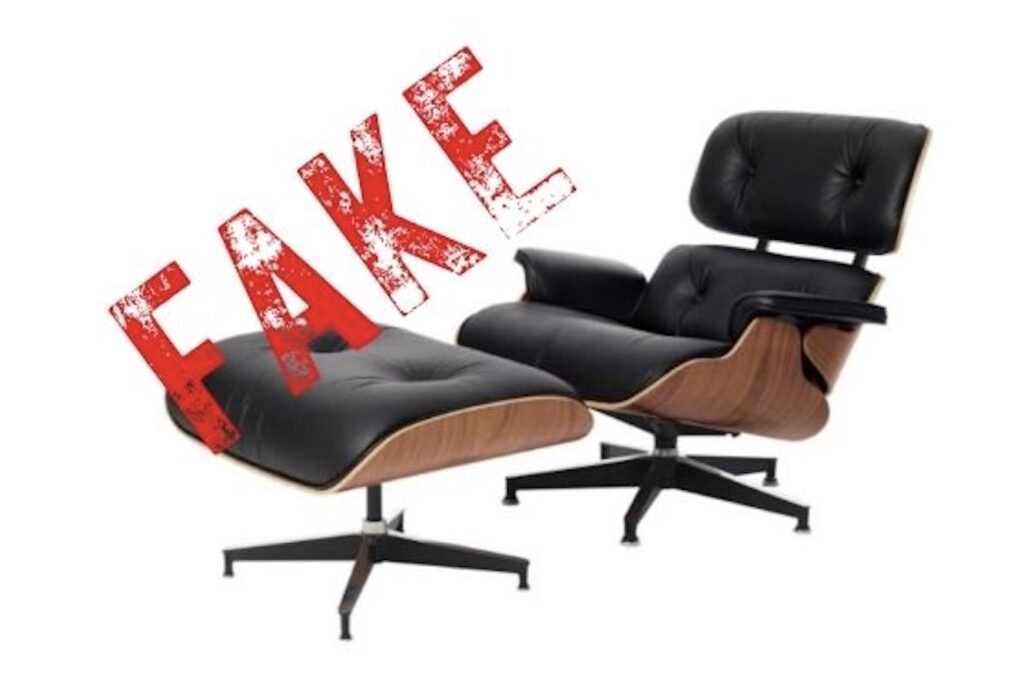
I have been featuring iconic classic furniture designs lately as part of the Workplace Classics Series, which got me thinking about the prolific ‘copy’ trade here in Asia. And the fact that the continued rise of counterfeit products has become a significant concern for businesses and why it should be a concern for consumers too.
The office furniture industry especially has seen fake products flooding the market. While buying fake products may seem like a cost-effective option, it can have far-reaching consequences that damage genuine suppliers, the industry, and innovation in general. In 2021 it was estimated to be a US$ 4 billion problem for the furniture industry.
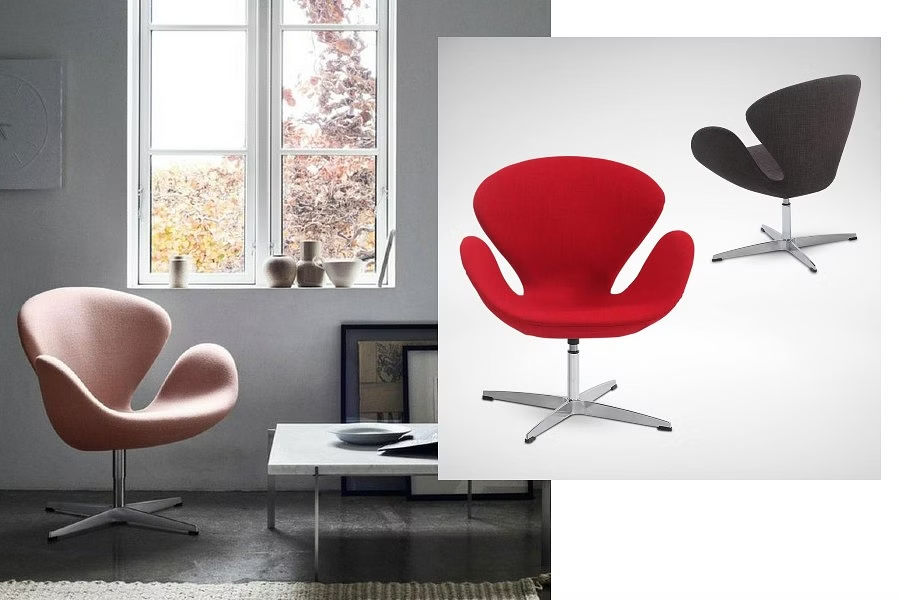
Damage to Genuine Suppliers
Genuine (or Design Originals) suppliers invest heavily in research, design, and production to create high-quality products that meet specific standards. Counterfeiters, on the other hand, simply replicate these products without regard for quality or safety, often using cheap materials and manufacturing processes. This not only undermines the genuine suppliers’ investments but might also damage their reputation, as customers have been known to confuse fake products with the real thing.
Counterfeit products often infringe on genuine suppliers’ intellectual property rights, such as patents, trademarks, and copyrights. This can lead to legal battles, financial losses, and a decline in innovation, as genuine suppliers may be less likely to invest in new products and technologies.
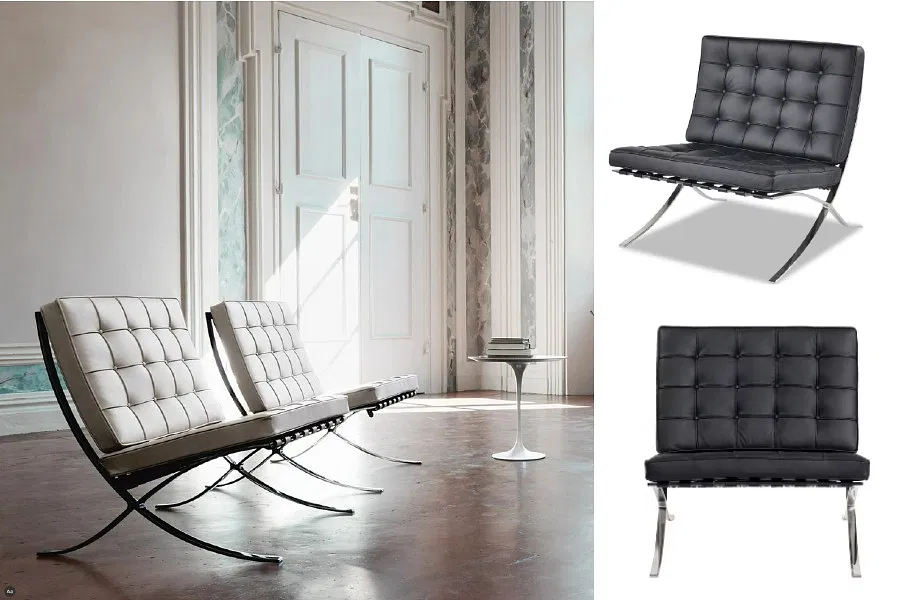
Harm to the Industry
The proliferation of fake office furniture products can have a devastating impact on the industry as a whole. Counterfeiters often prioritise profit over quality and safety, leading to substandard products that can compromise the health and well-being of users. This can damage the industry’s reputation and erode trust among customers.
The influx of fake products can also lead to market saturation, making it difficult for genuine suppliers to compete. This can result in reduced sales, financial losses, and even business closures. The industry’s ability to innovate and invest in new technologies and designs is compromised, as resources are diverted to combating counterfeiting.
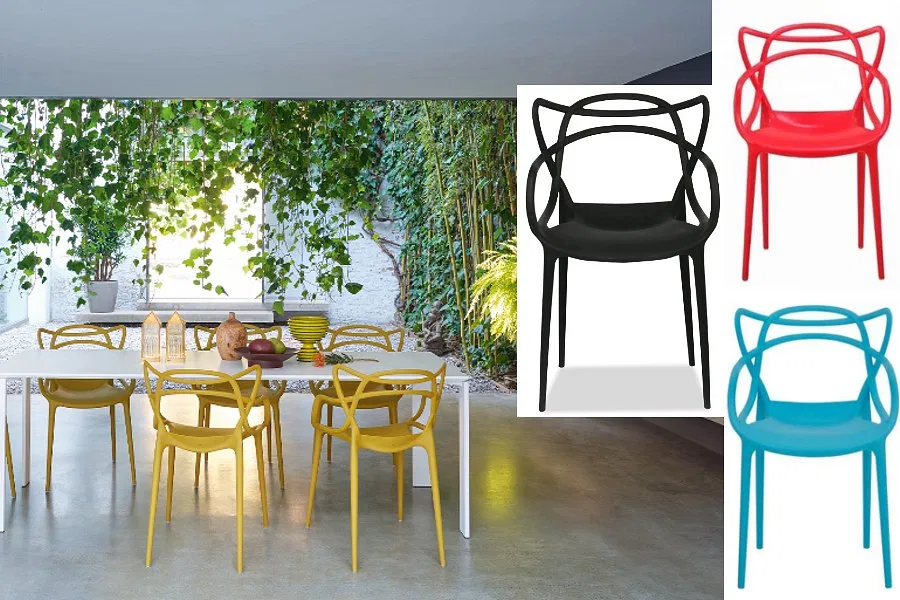
The Impact on Innovation
Buying fake products stifles innovation in several ways. Firstly, counterfeiters often replicate existing products, rather than investing in research and development to create new and improved products.
Secondly, the profits from counterfeit products often fund other illegal activities, such as organised crime and even terrorism. This can have far-reaching consequences for society as a whole.
Finally, the prevalence of fake products can discourage genuine suppliers from investing in innovation, as they may see little value in developing new products that can be easily replicated by counterfeiters.
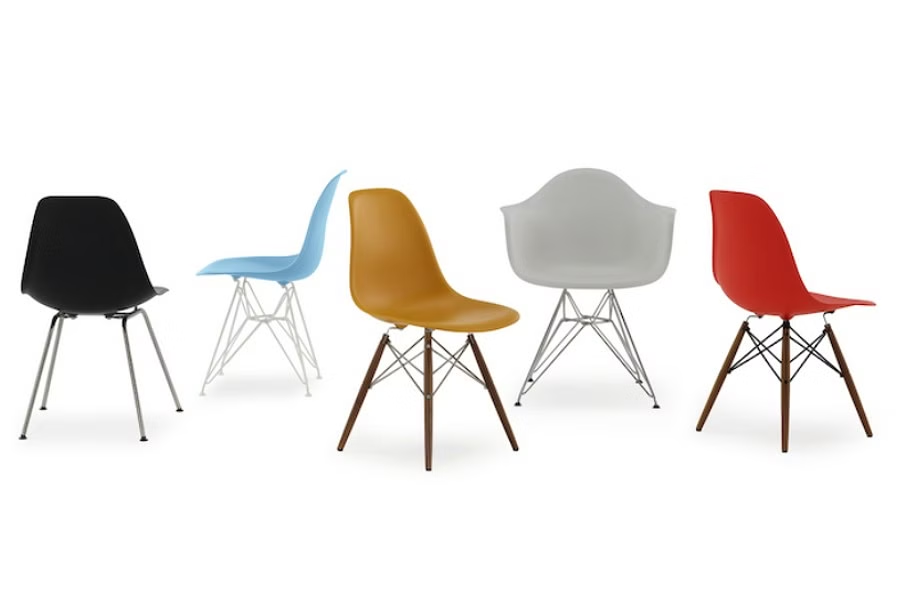
Consequences for Consumers
So for the Corporate Interiors Industry, buying fake furniture products can also have direct consequences for consumers. Counterfeit products often lack the quality and durability of genuine products, leading to reduced lifespan and increased maintenance costs. This can result in financial losses and frustration for consumers, who may not even realise they have purchased a fake product.
Counterfeit products can compromise user safety, as they may not meet safety standards or regulations. This can lead to accidents, injuries, and even fatalities, highlighting the importance of prioritising genuine products with comprehensive after sales support.
Buying fake furniture products may seem like a cost-effective option, helping to stretch a budget, but it can have far-reaching consequences that damage genuine suppliers, the industry, and innovation in general.
It is crucial for consumers to only choose genuine products, not only to ensure quality and safety but also to support innovation and progress in the industry. By doing so, we can create a more sustainable and ethical market that benefits everyone involved.