![The [RE]Search Co.](https://re-search.co/wp-content/uploads/2025/02/The-RE-Search-Co-Orange_Grey-png-350x51.avif)
The National University of Singapore (NUS) recently showcased research at the inaugural Ideas Festival 2024, focusing on the evolving dynamics of home-based work. This event highlighted the complex interplay between spatial, social, and technological factors that define remote work in modern Singapore.
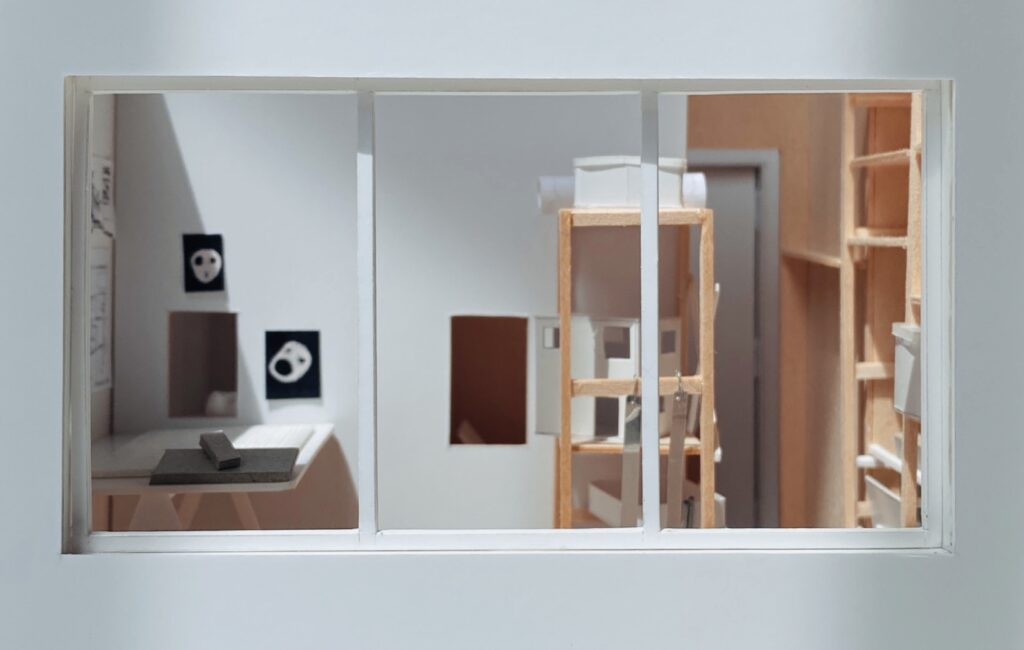
A team of interdisciplinary researchers from NUS presented their findings through an innovative exhibition, “Visualising Home-Based Work,” which explored how homes are being adapted to support flexible work arrangements.
Reimagining Workspaces: Beyond the Home
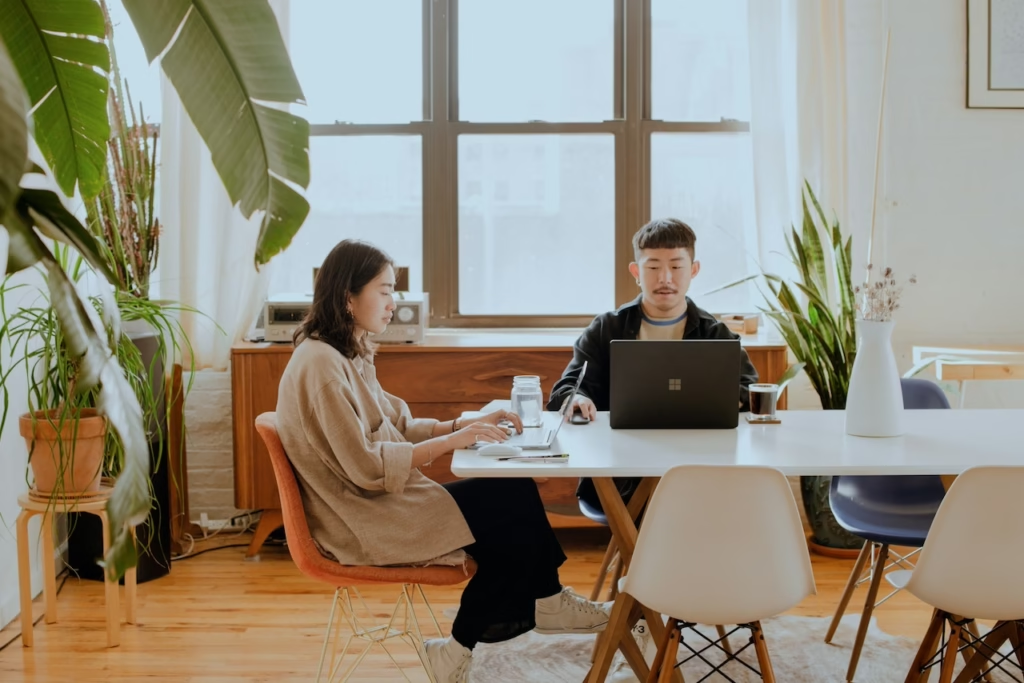
Flexible work arrangements have become more prevalent post-Covid, but the traditional concept of “working from home” is evolving. Many employees are now utilising “third spaces,” a term used by Professor Audrey Yue from the NUS Department of Communications and New Media. These third spaces, which include libraries, co-working spaces, and cafés, serve as transitional zones between home and the office, offering an alternative work environment that balances convenience and productivity.
The Appeal of Third Spaces
A national survey conducted by the NUS team revealed significant insights into the preferences of home-based workers. Younger employees, particularly those aged 20 to 29, show a strong preference for working from their bedrooms, with 69% of respondents in this age group choosing this option. This contrasts with older age groups, where the preference declines, indicating generational differences in home-based work habits.
Associate Professor Natalie Pang noted that societal norms in Singapore, where many unmarried adults live with their parents, contribute to this trend. These individuals often lack autonomy within the household, prompting them to seek third spaces that offer a semblance of independence and a more conducive work environment.
The study identified both push factors, such as domestic distractions and the distance to the office, and pull factors, like free amenities and a pleasant working atmosphere, that drive workers to these third spaces.
Adapting Homes for Work
In addition to studying third spaces, the NUS team delved into how homes are being adapted for work. They conducted in-depth fieldwork, visiting the homes of 36 individuals to understand how they balance domestic and professional responsibilities within the same space. By using advanced tools like a 360-degree camera and the Matterport 3D spatial data platform, the researchers created detailed digital models of these homes.
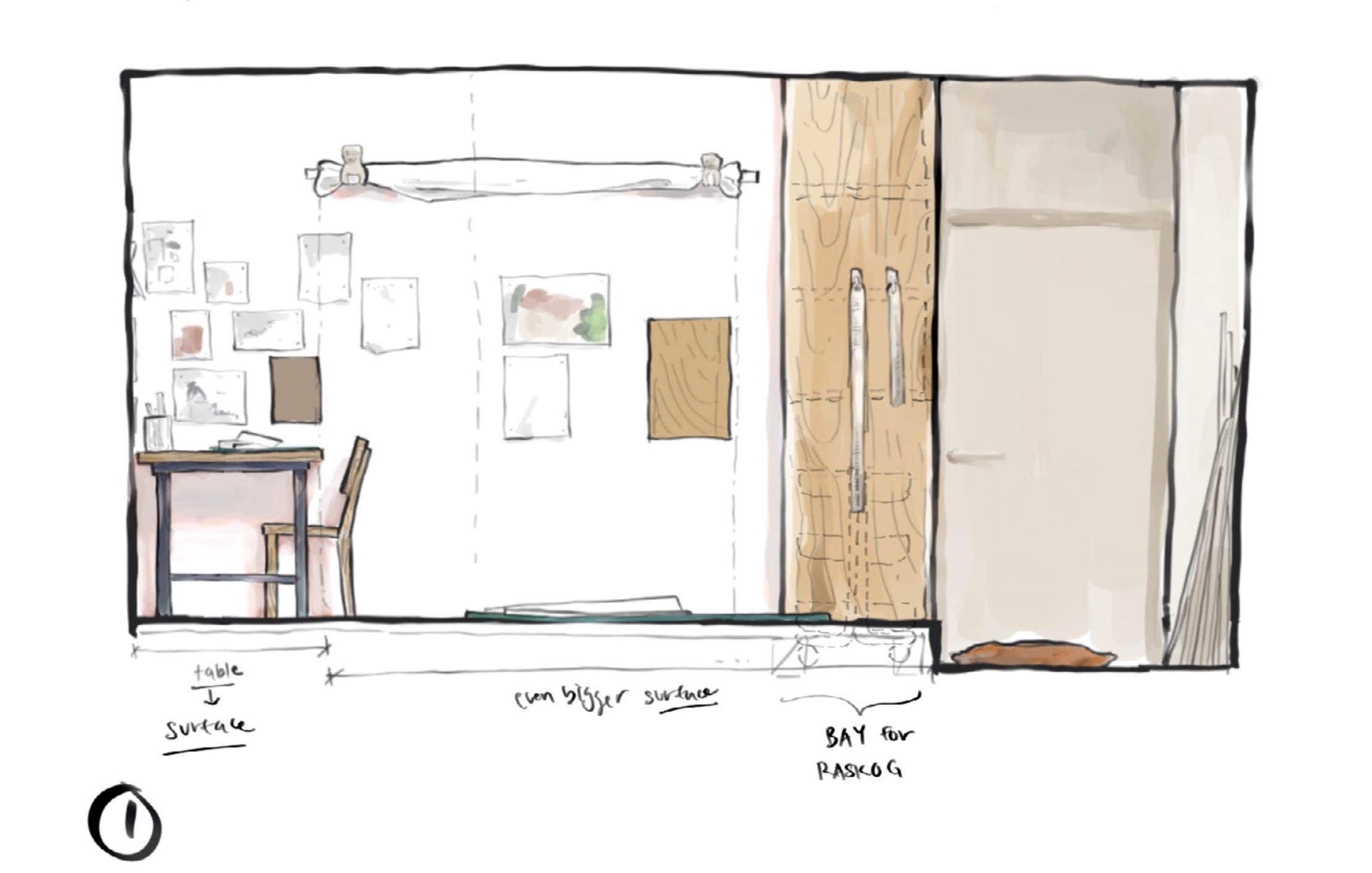
These digital twin models, combined with interviews and photographs, provided a comprehensive understanding of how individuals prioritise and utilise space for work. Insights from this research revealed various strategies employed by home-based workers to optimise their environments. For instance, some workers prefer using luggage for storage due to its compactness, while others opt for a yoga ball instead of an office chair to improve posture.
Informing Design and Policy
The findings from this research have significant implications for home design and policy-making. The detailed data on how different individuals adapt their homes for work can guide architects and designers in creating spaces that better meet the needs of home-based workers.
The team’s exhibition, which featured architectural models and drawings, showcased potential home layouts tailored for various occupations, from electricians to bakers.
One attendee, Ancilla Larasati, found the exhibition particularly insightful for organizing her mother’s home-based business. This highlights the practical applications of the research in improving the functionality and efficiency of home-based work environments.
Supporting Home-Based Businesses
Beyond understanding and visualizing home-based work, the NUS researchers are committed to advocating for better support for home-based businesses.
The team is collaborating with a video production house to create a documentary that follows the lives of home-based business owners, such as a yoga instructor, a young mother influencer, an urban farmer, and a meal-prep business owner. This documentary aims to highlight the challenges and resilience of these entrepreneurs and the impact of their work on their families and communities.
Associate Professor Lilian Chee emphasised the importance of recognising and legitimising paid work conducted at home. By presenting their findings to stakeholders, including Singapore’s Housing and Development Board, the researchers hope to drive policy changes that support home-based workers. This advocacy is crucial for changing entrenched perceptions that undervalue the role of domestic spaces in sustaining productive labor.
So in summary, the NUS Ideas Festival 2024 shed light on the evolving nature of remote work, emphasising the need to reconsider traditional concepts of home-based work. The research presented by the interdisciplinary team from NUS highlighted the importance of third spaces, the adaptability of home environments, and the necessity of supporting home-based businesses.
By exploring these dimensions, the NUS team provided valuable insights that can inform future design and policy decisions, ensuring that remote work arrangements are both effective and sustainable.