![The [RE]Search Co.](https://re-search.co/wp-content/uploads/2025/02/The-RE-Search-Co-Orange_Grey-png-350x51.avif)
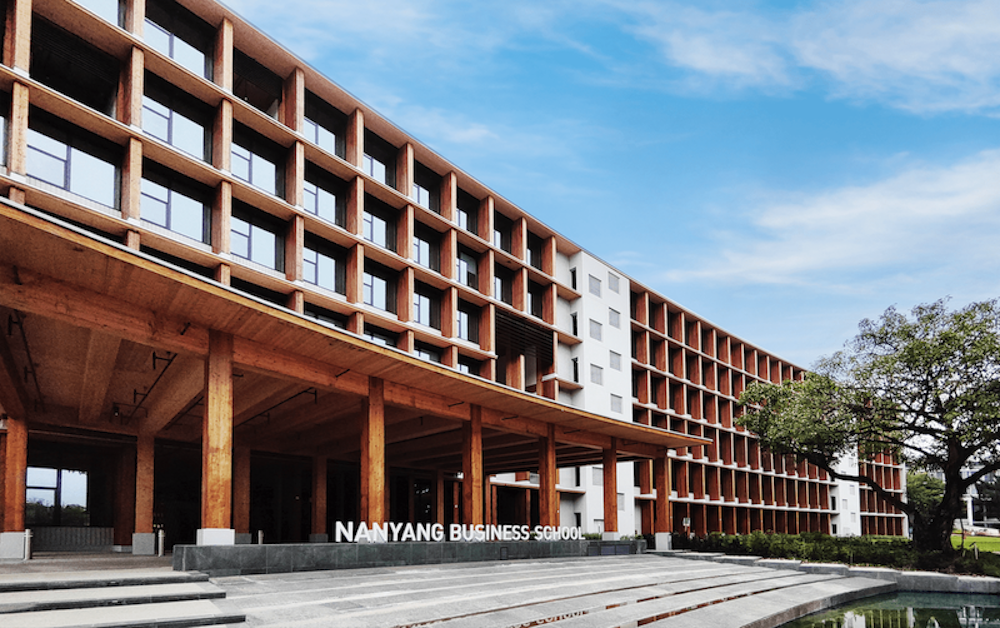
The construction industry has seen a resurgence in the use of wood, especially in commercial buildings. This trend is driven by environmental, economic, and technological factors that position wood as a viable alternative to traditional materials like steel and concrete. However, understanding why wood was not the primary choice for many decades provides context to this shift. Here’s why you might see more wood used in office construction in the future and why it wasn’t as popular before.
Environmental Benefits
One of the primary drivers of increased wood usage in office construction is its environmental advantages. Wood is a renewable resource, and when sourced responsibly from well-managed forests, it can be a highly sustainable building material. Trees absorb carbon dioxide as they grow, and this carbon is stored in the wood even after it is harvested and used in construction. This process helps mitigate the overall carbon footprint of a building.
In contrast, the production of steel and concrete is highly energy-intensive and generates significant carbon emissions. The cement industry alone is responsible for about 8% of global CO2 emissions. By using wood, construction projects can significantly reduce their environmental impact. Modern wood products like cross-laminated timber (CLT) have shown excellent structural capabilities, making them suitable for large-scale projects such as office buildings.
Technological Advancements
Technological advancements in wood processing and construction have also played a crucial role in this shift. Engineered wood products like CLT and glulam (glue-laminated timber) have revolutionised the possibilities for wood construction. These materials offer high strength and stability, allowing for the construction of taller and more complex buildings than ever before.
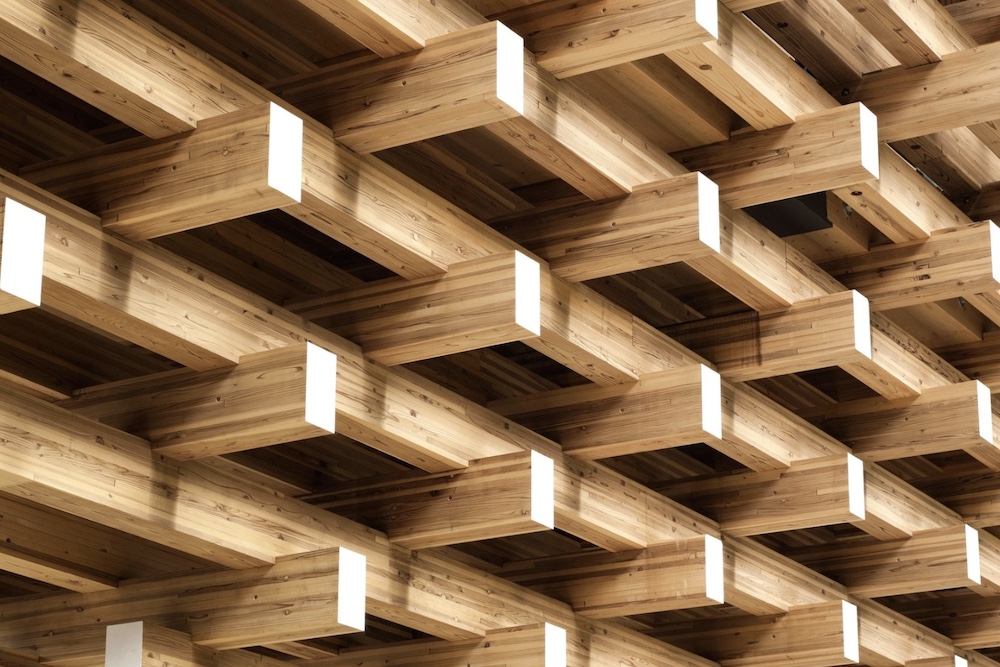
CLT, for example, is made by stacking layers of wood in alternating directions and bonding them with adhesives, creating a product that is incredibly strong and dimensionally stable. This makes it possible to use wood in applications that were previously limited to steel and concrete. Modern computer-aided design (CAD) software and precision manufacturing techniques further enhance the feasibility of wood construction, enabling the creation of intricate designs and ensuring high-quality, consistent results.
Economic Considerations
Economic factors also contribute to the growing popularity of wood in office construction. The cost of raw materials and construction can be lower with wood, particularly when considering the entire lifecycle of a building. Wood construction tends to be faster due to the prefabrication of components, which reduces labor costs and construction time. This can be especially beneficial in urban environments where minimising disruption and speeding up project timelines are crucial.
Additionally, wood buildings often offer long-term savings through energy efficiency. Wood has natural insulating properties, which can reduce heating and cooling costs. This, coupled with the growing importance of green building certifications like LEED (Leadership in Energy and Environmental Design), makes wood an attractive option for developers looking to create energy-efficient and environmentally friendly office spaces.
Aesthetic and Wellness Benefits
Wood is also appreciated for its aesthetic qualities and positive impact on occupant well-being. The natural appearance of wood can create warm, inviting spaces that enhance the work environment. Studies have shown that exposure to natural materials like wood can reduce stress and improve overall mental health, which can translate into increased productivity and job satisfaction among employees.
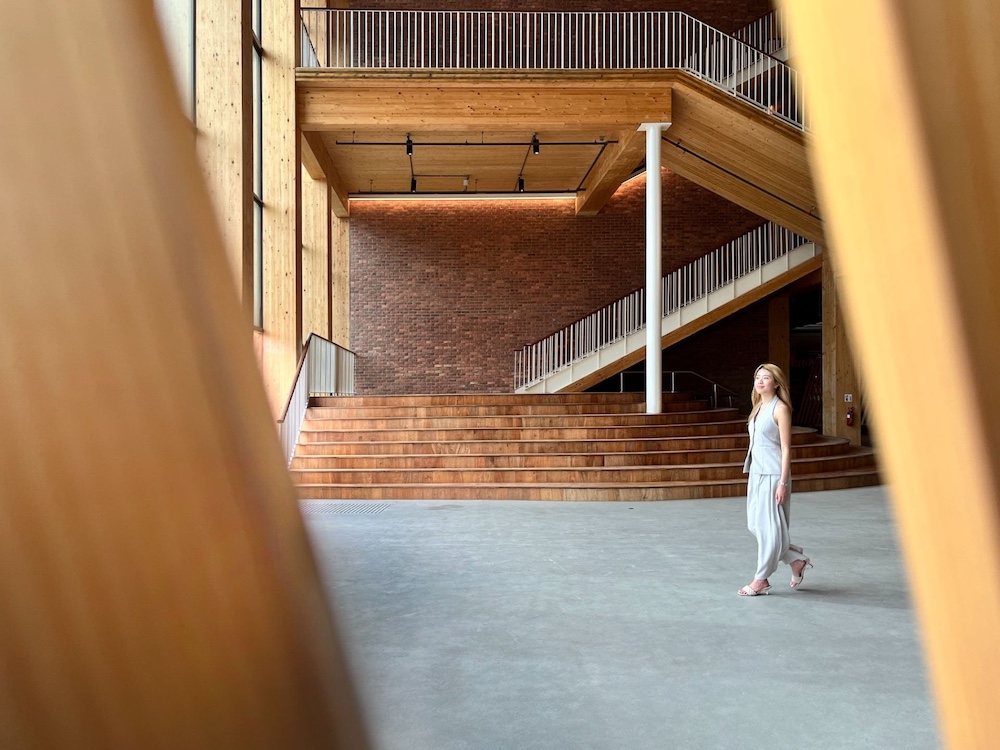
Biophilic design, which incorporates natural elements into built environments, is gaining popularity in office design. Wood, with its natural textures and grains, fits seamlessly into this design philosophy. By using wood, architects and designers can create spaces that feel more connected to nature, promoting a sense of calm and well-being among occupants.
Historical Barriers to Wood Use
To fully appreciate the current trend, it’s important to understand why wood was not the primary choice for office construction for many decades:
Fire Safety Concerns
Historically, wood was considered highly vulnerable to fire. Wood is combustible, and the potential for fire hazards made it less attractive compared to non-combustible materials like steel and concrete. High-profile fires in wooden buildings reinforced these concerns and led to stricter building codes and regulations that limited the use of wood in multi-story and commercial structures.
Structural Limitations
Wood was traditionally viewed as a material suitable for residential construction or small-scale buildings rather than large commercial projects. This was due to its perceived structural limitations. Traditional wood framing methods lacked the strength and stability required for high-rise buildings and large office complexes. The need for materials that could support greater loads and span larger distances without compromising safety and durability led to the preference for steel and concrete.
Durability and Maintenance Issues
Wood is susceptible to various forms of degradation, including rot, insect damage, and weathering. In environments where moisture and pests are prevalent, wood structures require significant maintenance to ensure longevity. The costs and efforts associated with maintaining wooden buildings often outweighed the benefits, particularly when compared to more durable materials like steel and concrete.
Technological and Material Advancements
The construction industry saw significant advancements in materials technology during the 20th century. Innovations in steel and concrete allowed for the construction of taller, stronger, and more complex structures. These materials offered predictable performance and consistency, which were crucial for the large-scale, standardised construction projects that characterised modern urban development.
Conclusion
The increasing use of wood in office construction is a trend that aligns with environmental sustainability, technological progress, economic efficiency, aesthetic appeal, and regulatory evolution. As the construction industry continues to seek ways to reduce its carbon footprint and enhance the built environment, wood is emerging as a material of choice for the future. Whether it’s the environmental benefits, cost savings, or the positive impact on human health, the reasons for choosing wood are compelling and likely to drive its continued growth in office construction.
The historical reasons for wood’s limited use are being addressed, paving the way for its renaissance in office construction. This shift not only reflects technological and regulatory advancements but also a broader cultural change towards sustainable and environmentally friendly building practices.