![The [RE]Search Co.](https://re-search.co/wp-content/uploads/2025/02/The-RE-Search-Co-Orange_Grey-png-350x51.avif)
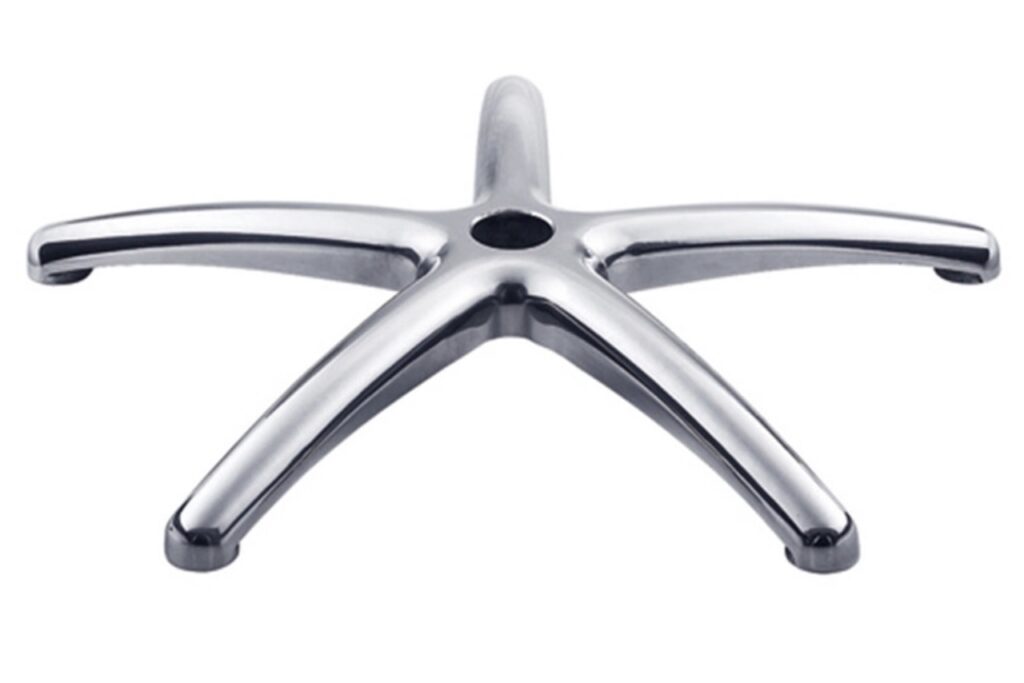
Chrome has long been appreciated and specified for its sleek, shiny appearance, which gives a sophisticated look to commercial furniture. Its reflective quality and durability have made it a popular choice in offices, restaurants, retail environments and also homes. However, despite its appeal, the health and environmental impacts associated with chrome make it an increasingly unacceptable choice as a furniture finish. This article considers the reasons why chrome should be avoided and explores more sustainable alternatives.
The Allure of Chrome
The appeal of chrome in commercial furniture is undeniable. Its mirror-like finish provides a clean and high-end look that can enhance any space. Chrome is also resistant to corrosion and wear, making it a practical choice for high-traffic areas. These qualities have cemented its status as a go-to finish for designers and manufacturers aiming to create stylish and long-lasting products.
The Dark Side of Chrome
Despite its popularity, the production and use of chrome come with significant environmental and health concerns that can no longer be ignored.
1. Toxic Production Processes
The process of chrome plating involves the use of hexavalent chromium, a highly toxic and carcinogenic substance. Workers in chrome plating facilities are at risk of severe health issues, including lung cancer and respiratory problems, due to exposure to hexavalent chromium. The environmental impact is equally concerning, as the production process generates hazardous waste that can contaminate soil and water sources if not managed properly.
2. Environmental Degradation
The extraction of chromite ore, the raw material for chromium, involves mining activities that lead to habitat destruction, soil erosion, and water pollution. Additionally, the energy-intensive nature of chromium extraction and processing contributes to greenhouse gas emissions, exacerbating climate change.
3. Waste and Disposal Issues
Chrome-plated products pose recycling challenges due to the toxic substances involved in their finishing. When these products reach the end of their lifecycle, improper disposal can result in environmental contamination, further highlighting the unsustainable nature of chrome.
Sustainable Alternatives
Given the severe health and environmental risks associated with chrome, it is imperative to consider more sustainable alternatives.
1. Polished Aluminium
Polished aluminium is an excellent substitute for chrome. It provides a similar sleek and reflective appearance, enhancing the visual appeal of commercial furniture. Aluminium is also lightweight, durable, and resistant to corrosion, making it a practical and long-lasting choice. Importantly, the production of polished aluminium is less harmful to the environment. Aluminium is abundant and can be recycled repeatedly without losing its properties, significantly reducing its ecological footprint.
2. Powder Coating
Another viable alternative to chrome plating is powder coating. This finishing process involves applying a dry powder to the metal surface and then curing it under heat to create a hard, durable finish. Powder coating does not involve toxic chemicals and produces less waste, making it an environmentally friendly option.
3. Stainless Steel
Stainless steel is another durable and aesthetically pleasing alternative. It offers a modern look and is highly resistant to corrosion and wear. Although its production does involve mining and energy use, stainless steel is fully recyclable, and advancements in manufacturing processes are reducing its environmental impact.
While chrome has long been a favoured finish in commercial furniture for its durability and stylish appearance, the health and environmental costs associated with its production and disposal are too significant to ignore. As awareness of these issues grows, it is becoming increasingly unacceptable to specify, manufacture, or purchase chrome-finished products. Sustainable alternatives such as polished aluminium, powder coating, and stainless steel offer comparable aesthetic and functional benefits without the harmful side effects.