![The [RE]Search Co.](https://re-search.co/wp-content/uploads/2025/02/The-RE-Search-Co-Orange_Grey-png-350x51.avif)
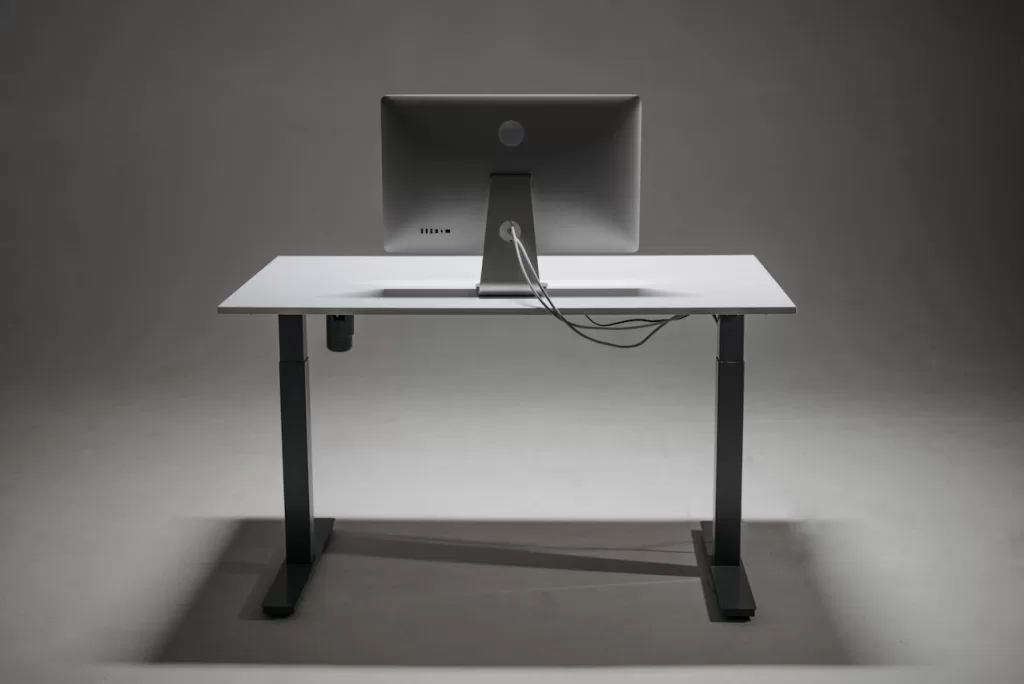
The Rise of Sit-Stand Desks
The importance of incorporating movement throughout the day is more recognised than ever. The adverse effects of prolonged sitting on health and productivity are well-documented. Sit-stand desks have become a popular solution, allowing users to alternate between sitting and standing positions throughout the day.
But are these desks worth the extra cost? Here are the benefits, alternatives, and key considerations for both office and home office environments.
The Health and Productivity Benefits of Movement
Improved Health
Prolonged sitting is associated with several health risks, including obesity, cardiovascular disease, and musculoskeletal disorders. Sit-stand desks promote better blood circulation, reduce muscle fatigue, and alleviate spinal strain by encouraging users to switch between sitting and standing.
Enhanced Productivity
Movement stimulates brain activity and energy levels, enhancing focus and productivity. Standing periodically helps combat the mid-afternoon slump and maintains mental alertness throughout the workday.
Postural Support
Extended periods of sitting can lead to poor posture and back pain. Sit-stand desks encourage proper alignment and core engagement, reducing the risk of posture-related issues.
Exploring Alternatives to Sit-Stand Desks
While sit-stand desks are a convenient way to integrate movement into the workday, there are other approaches to consider:
Alternate Work Locations
Working from different locations within your environment, such as standing-height counters, communal workspaces, or outdoor areas, can provide a change of scenery and posture.
Desk Accessories
Affordable accessories like adjustable risers, desktop converters, or even stacked books can create standing-height workspaces for those on a budget or unable to invest in a sit-stand desk.
Considerations for Office vs. Home Office Environments
Office Environment
In corporate settings, employers may provide ergonomic solutions like sit-stand desks to promote employee health and well-being. The decision to purchase a sit-stand desk often depends on company policies and available resources.
Home Office
For remote workers or freelancers, the decision to buy a sit-stand desk is more individual. Space constraints, budget, and personal preferences play a significant role in determining the suitability of this investment.

Understanding Cost Considerations
Sit-stand desks can be expensive, with costs varying based on quality, design, and adjustment mechanisms:
Quality
Higher-priced sit-stand desks usually offer superior build quality, durability, and ergonomic features, ensuring longevity and optimal performance.
Drive Mechanisms
The method of adjusting desk height significantly impacts the price. Electric desks with motorized mechanisms provide smooth and effortless height adjustments but are more expensive than manual crank or pneumatic options.
So Are Sit-Stand Desks Worth the Investment?
Deciding whether to invest in a sit-stand desk depends on various factors, including health benefits, workplace environment, and budget constraints. While these desks offer significant advantages in promoting movement and ergonomics, they may not be practical or cost-effective for everyone. Exploring alternative approaches, like adjusting work locations or using desk accessories, can achieve similar results at a lower cost.
Ultimately, the choice to invest in sit-stand desks should align with your or your team’s needs, preferences, and priorities.