![The [RE]Search Co.](https://re-search.co/wp-content/uploads/2025/02/The-RE-Search-Co-Orange_Grey-png-350x51.avif)
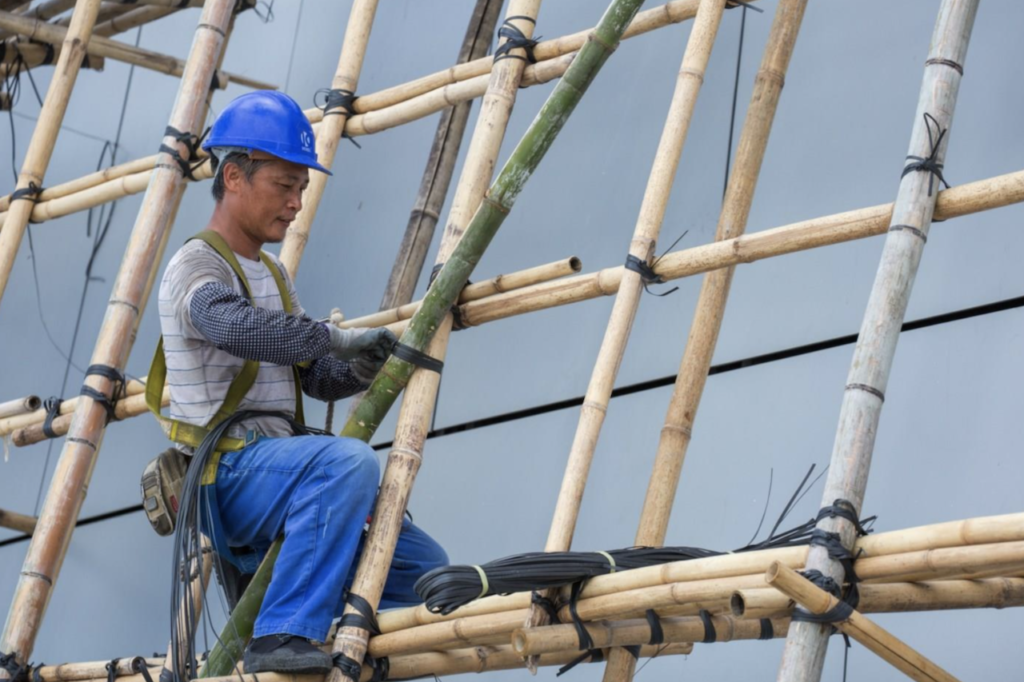
Scaffolding is essential for providing support and access during building projects. While modern steel scaffolding has become the standard in many parts of the world, bamboo scaffolding continues to play a significant role in construction across Asia.
What are the reasons behind the sustained use of bamboo scaffolding, and what are the unique benefits and challenges?
The Tradition of Bamboo Scaffolding
Historical Context
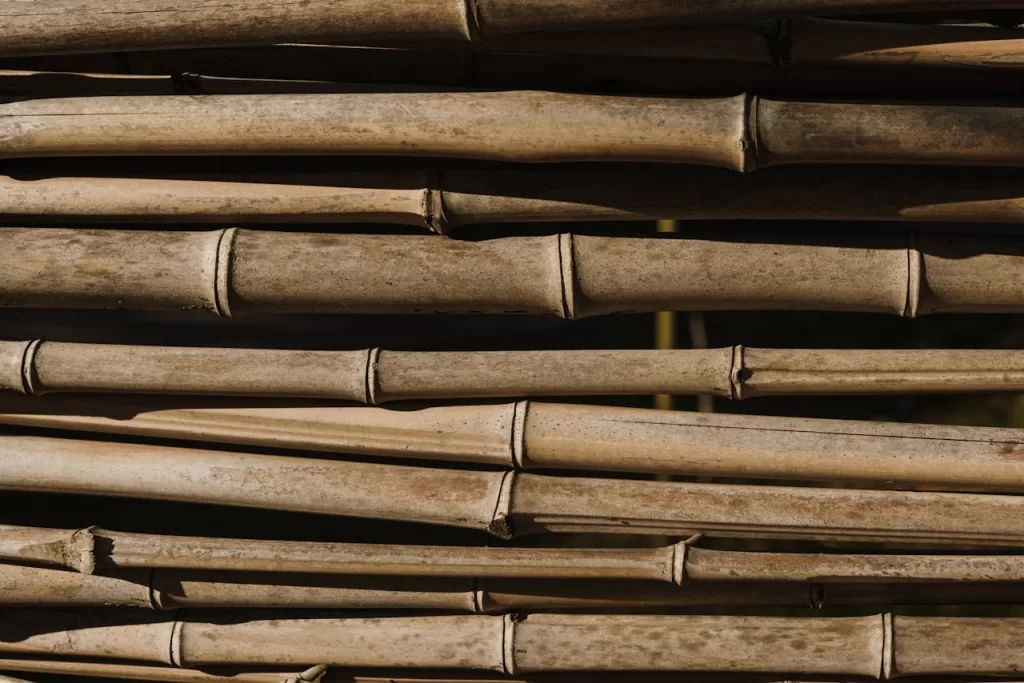
Bamboo scaffolding has been used in Asia for centuries, particularly in countries like China, Hong Kong, and India. Its flexibility, strength, and availability made it the go-to material for builders long before steel scaffolding was introduced.
Cultural Significance
Beyond its practical applications, bamboo scaffolding holds cultural significance. It is often seen as a symbol of traditional craftsmanship and ingenuity, embodying the skills passed down through generations.
Advantages of Bamboo Scaffolding
Cost-Effective
Bamboo is a readily available and renewable resource in many Asian countries, making it a cost-effective option for construction projects. The material is cheaper than steel, which helps keep project costs low.
Flexibility and Strength
Bamboo’s natural flexibility allows it to withstand heavy loads and strong winds, making it suitable for high-rise buildings and complex structures. Its strength-to-weight ratio is impressive, providing robust support without the bulkiness of steel.
Environmentally Friendly
Bamboo is a sustainable material, growing rapidly and requiring minimal processing. Its use in construction reduces the carbon footprint compared to the production and transportation of steel scaffolding.
Challenges of Bamboo Scaffolding
Durability and Maintenance
Unlike steel, bamboo is susceptible to weathering, decay, and insect infestation. Regular maintenance and treatment are required to ensure its longevity and safety on construction sites.
Safety Concerns
While bamboo scaffolding is generally safe when properly constructed and maintained, it lacks the uniformity and predictability of steel scaffolding. Ensuring safety standards requires skilled workers with specific knowledge of bamboo construction techniques.
The Rise of Steel Scaffolding
Modernisation and Standardisation
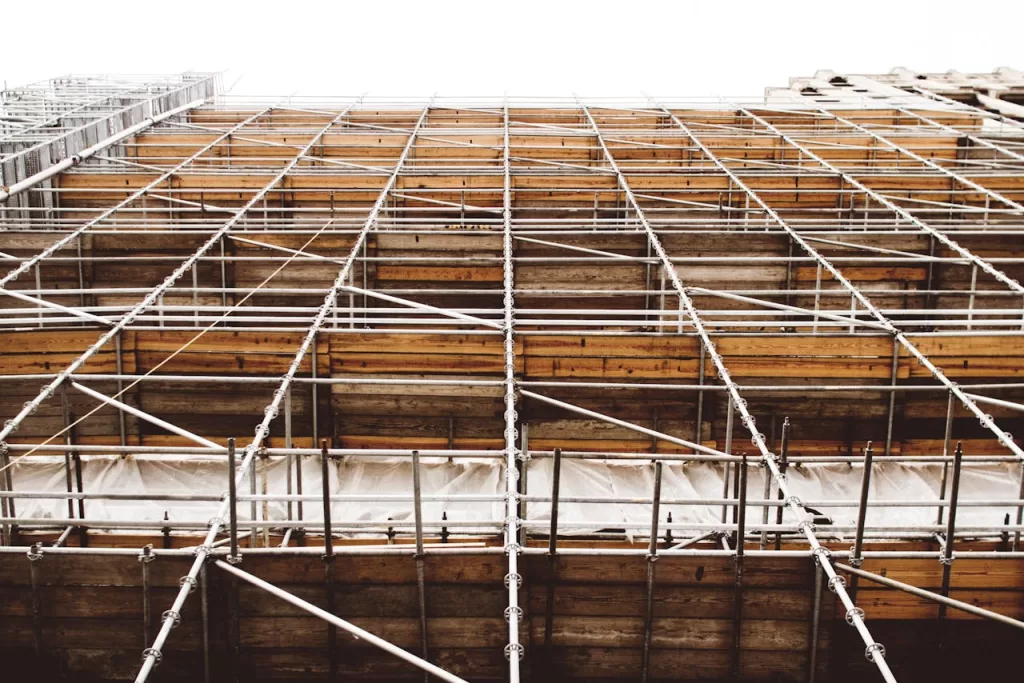
Steel scaffolding has gained popularity due to its durability, strength, and ease of assembly. Its standardised components allow for quick and efficient construction, adhering to stringent safety regulations.
Longevity
Steel scaffolding is resistant to weathering, corrosion, and pests, offering a longer lifespan with minimal maintenance. This durability makes it an attractive option for long-term projects and large-scale construction.
Comparing Bamboo and Steel Scaffolding
Cost vs. Longevity
While bamboo scaffolding is initially cheaper, steel scaffolding’s longevity can offset its higher upfront cost. The decision often depends on the project’s duration, scale, and budget considerations.
Environmental Impact
Bamboo’s renewability and lower environmental impact make it a greener choice. However, advancements in steel recycling and sustainable manufacturing practices are gradually reducing the environmental footprint of steel scaffolding.
Cultural and Practical Factors
In many Asian cities, bamboo scaffolding remains a practical choice due to local expertise and tradition. However, the adoption of steel scaffolding is increasing, driven by globalisation and the push for modernisation.
Conclusion
The continued use of bamboo scaffolding in Asia highlights the balance between tradition and modernisation in construction practices. While steel scaffolding offers undeniable benefits in terms of durability and standardisation, bamboo scaffolding’s cost-effectiveness, environmental friendliness, and cultural significance ensure its place in the construction industry.
Ultimately, the choice between bamboo and steel scaffolding depends on various factors, including project requirements, budget, and environmental considerations. As the construction industry evolves, a hybrid approach that leverages the strengths of both materials may emerge, blending tradition with modernity to meet the demands of a rapidly changing world.