![The [RE]Search Co.](https://re-search.co/wp-content/uploads/2025/02/The-RE-Search-Co-Orange_Grey-png-350x51.avif)

Achieving a healthy work-life balance is essential for maintaining productivity, mental well-being, and overall satisfaction in both personal and professional life.
For remote workers, the lines between work and home can easily blur, making it challenging to establish boundaries and routines. Here are some practical tips to help remote workers maintain a balanced life, optimised for those working from home.
1. Set Clear Boundaries
Establishing clear boundaries between work and personal life is crucial for remote workers. Here’s how you can do it:
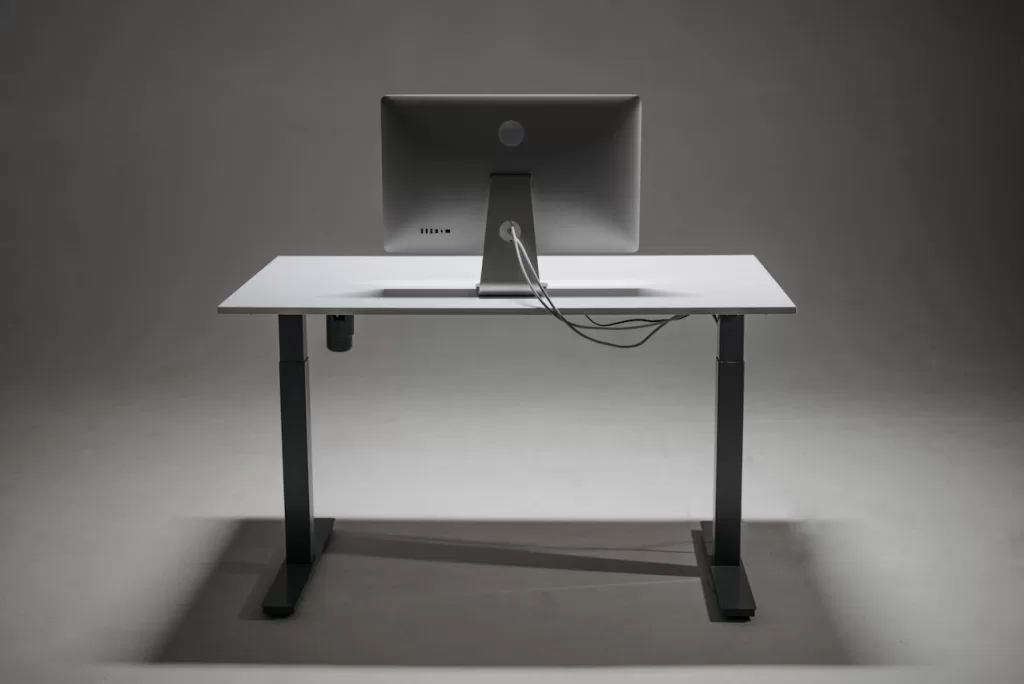
- Designate a Workspace: Choose a specific area in your home for work. This space should be free from distractions and used solely for professional activities. Avoid working from your bed or couch, as these areas are associated with relaxation and can hinder productivity.
- Set Work Hours: Define your working hours and stick to them. Communicate these hours to your colleagues and family members, so they know when you are available and when you are not.
2. Create a Routine
Having a daily routine helps to create a sense of normalcy and structure, which is essential for productivity and well-being.
- Morning Routine: Start your day with a consistent morning routine, just as you would if you were commuting to an office. This might include activities like showering, having breakfast, and dressing in work-appropriate clothes.
- Regular Breaks: Schedule regular breaks throughout your day. Taking short breaks can help you stay focused and reduce fatigue. Use techniques like the Pomodoro Technique, which involves working for 25 minutes and then taking a 5-minute break.
3. Prioritise Communication
Effective communication is vital for remote work. It helps in setting expectations, reducing misunderstandings, and maintaining professional relationships.
- Use Communication Tools: Leverage communication tools like Slack, Microsoft Teams, or Zoom to stay connected with others in your team. Regular check-ins and virtual meetings can help keep everyone on the same page.
- Set Communication Norms: Establish norms for communication with your team. For example, decide on response times for emails and messages, and clarify which tools should be used for different types of communication.
4. Manage Your Time Effectively
Time management is a critical skill for remote workers. It helps in maintaining productivity and preventing burnout.
- Prioritise Tasks: Use tools like to-do lists or task management apps (e.g., Trello, Asana) to prioritise your tasks. Focus on completing high-priority tasks first.
- Set Goals: Break your work into smaller, manageable goals. Setting daily or weekly goals can help you stay organised and motivated.
5. Stay Physically Active

Physical activity is essential for both physical and mental health. Incorporating exercise into your daily routine can help reduce stress and increase energy levels.
- Regular Exercise: Aim to get at least 30 minutes of exercise each day. This could be a walk, run, yoga session, or home workout.
- Stretch Breaks: Take short stretch breaks during your workday to prevent stiffness and improve circulation.
6. Nurture Your Social Connections
Working remotely can sometimes lead to feelings of isolation. It’s important to maintain social connections to support your mental well-being.
- Virtual Social Events: Participate in virtual social events with your colleagues, such as virtual coffee breaks or happy hours.
- Stay Connected: Make an effort to stay in touch with friends and family through phone calls, video chats, or social media.
7. Focus on Mental Health
Taking care of your mental health is crucial for maintaining a healthy work-life balance.
- Mindfulness Practices: Incorporate mindfulness practices such as meditation, deep breathing exercises, or journaling into your daily routine. These practices can help reduce stress and improve focus.
- Seek Support: If you’re feeling overwhelmed, don’t hesitate to seek support. This could be talking to a trusted friend or family member, or seeking professional help from a counsellor or therapist.
8. Separate Work and Personal Time
Creating a clear distinction between work and personal time is essential for maintaining balance.
- End-of-Day Routine: Develop an end-of-day routine to signal the end of your workday. This could involve shutting down your computer, tidying your workspace, or taking a walk.
- Unplug: Make a conscious effort to unplug from work-related devices during your personal time. Avoid checking emails or messages after your work hours.
9. Utilise Technology Wisely
Technology can be both a boon and a bane for remote workers. Using it wisely can enhance productivity and maintain balance.
- Productivity Apps: Use productivity apps like focus timers, task managers, and calendar tools to stay organised and efficient.
- Limit Distractions: Identify and limit digital distractions. This could involve using website blockers during work hours or setting specific times for checking social media.
10. Set Realistic Expectations
Setting realistic expectations for yourself and others can help reduce stress and maintain balance.
- Manage Workload: Be realistic about what you can accomplish in a day. Avoid overloading yourself with too many tasks.
- Communicate Needs: If you’re struggling with your workload, communicate with your manager or team. They can provide support or help redistribute tasks.
In Summary

Maintaining a healthy work-life balance when working remotely requires intentional effort and planning.
By setting clear boundaries, creating a routine, prioritising communication, managing time effectively, staying physically active, nurturing social connections, focusing on mental health, separating work and personal time, utilising technology wisely, and setting realistic expectations, remote workers can achieve a balanced and fulfilling professional and personal life.