![The [RE]Search Co.](https://re-search.co/wp-content/uploads/2025/02/The-RE-Search-Co-Orange_Grey-png-350x51.avif)

The transition from academia to the professional world has always posed challenges, but for Generation Z – those born between the mid-1990s and early 2010s – this leap comes with unique hurdles.
As the first generation to grow up with the internet and digital technology at their fingertips, Gen Z enters the workforce with distinct expectations and perspectives. However, the corporate world often presents a stark contrast to their experiences and ideals, resulting in a significant culture shock and their work style and interactions can often be misunderstood by the older generations that they share the workplace with.
1. Digital Natives in a Traditional Workplace: Bridging the Technology Gap

Gen Z has grown up in a hyper-connected world, accustomed to instant access to information and seamless digital interactions. Entering a traditional workplace where systems may be outdated or where digital transformation is still underway can be jarring.
-
- Expectation of Technology Integration: Gen Z expects intuitive, user-friendly technology in the workplace. They anticipate using collaborative tools such as Microsoft Teams rather than relying solely on emails and meetings .
-
- Adjustment to Legacy Systems: Many organisations still operate with legacy systems and processes, which can feel inefficient and frustrating for the younger more tech-savvy generation.
2. Communication Style Differences: Adapting to Workplace Norms
Communication styles between generations can differ significantly. Gen Z tends to prefer concise, direct communication, often facilitated through digital platforms.
-
- Preference for Digital Communication: Raised on social media and messaging apps, Gen Z is more comfortable with digital communication than face-to-face interactions. This can sometimes be perceived as aloofness or lack of engagement by older colleagues .
-
- Adapting to Formal Communication: Traditional workplaces often value formal communication, whether in emails, meetings, or presentations. Adjusting to these norms can be challenging for Gen Z, who are typically used to more casual, informal exchanges .
3. Flexibility and Work-Life Balance: Meeting Gen Z Expectations

Work-life balance is a top priority for Gen Z. They seek flexibility in their work arrangements, including remote work options and flexible hours.
-
- Expectation of Flexible Working Conditions: The COVID-19 pandemic has normalised remote work, and Gen Z expects this flexibility to continue. However, not all organisations are prepared to offer such arrangements long-term .
-
- Balancing Flexibility with Organisational Needs: Companies need to find a balance between providing flexibility and maintaining productivity and team cohesion. Clear policies and open communication can help bridge this gap .
4. Emphasis on Purpose and Values: Aligning with Gen Z Ideals
Gen Z is driven by a strong sense of purpose and values. They seek employers whose missions align with their personal beliefs and who demonstrate a commitment to social and environmental responsibility.
-
- Looking for Meaningful Work: Gen Z employees want to feel that their work contributes to a larger purpose. They are more likely to be engaged and motivated if they see their role as impactful .
-
- Corporate Social Responsibility: Companies with strong CSR initiatives are more attractive to Gen Z. They expect transparency and accountability from their employers regarding social and environmental issues .
5. Mental Health and Well-Being: Supporting Gen Z Employees
Mental health and well-being are paramount for Gen Z. They prioritise workplaces that offer support and resources for mental health.
-
- Seeking Mental Health Support: Gen Z have a higher expectation for employers to provide mental health resources, such as counselling services, wellness programmes, and a supportive work environment .
-
- Reducing Stigma: They advocate for open discussions about mental health to reduce stigma and promote a culture of understanding and support within the workplace .
6. Continuous Learning and Development: Fostering Professional Growth
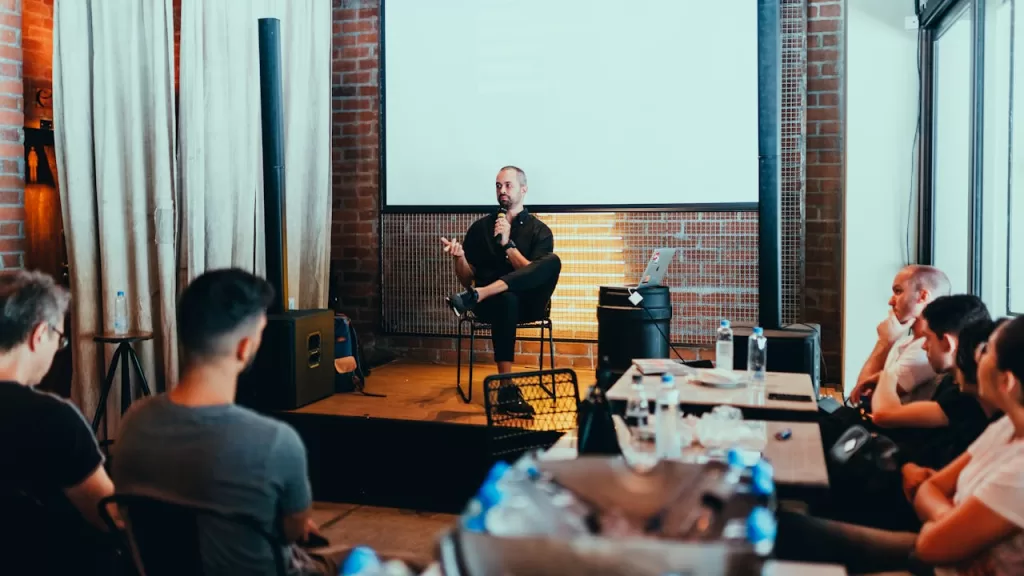
Lifelong learning is crucial for Gen Z. They look for opportunities to grow and develop their skills continuously.
-
- Demand for Professional Development: Gen Z values employers who invest in their professional development through training, mentorship, and clear career progression paths .
-
- Adapting to Rapid Changes: The rapid pace of technological advancements means that continuous learning is necessary to stay relevant. Employers who support this will attract and retain Gen Z talent .
7. Diversity and Inclusion: Creating an Inclusive Workplace for Gen Z
Diversity and inclusion are non-negotiable for Gen Z. They expect workplaces to be inclusive and to celebrate diversity.
-
- Expecting Inclusive Environments: Gen Z looks for employers who actively promote diversity and inclusion through policies, practices, and company culture .
-
- Challenge of Existing Biases: While many organisations strive to be inclusive, existing biases and systemic issues can be a barrier. Gen Z is likely to advocate for more inclusive practices and call out disparities .
Bridging the Generation Gap
For organisations, understanding and addressing the unique needs and expectations of Gen Z is essential for a harmonious and productive workplace. Here are some strategies:
-
- Embrace Digital Transformation: Invest in modern, user-friendly technology and digital tools that streamline workflows and improve efficiency.
-
- Foster Open Communication: Encourage open, transparent communication channels. Provide training on communication skills to bridge the gap between digital natives and those who prefer traditional methods.
-
- Offer Flexible Working Arrangements: Where possible, provide options for remote work and flexible hours. This can enhance job satisfaction and retention among Gen Z employees.
-
- Align with Purpose and Values: Clearly communicate the organisation’s mission, values, and CSR initiatives. Ensure that these are not just statements but are reflected in the company’s actions and culture.
-
- Support Mental Health and Well-Being: Implement programmes and policies that support mental health. Foster a workplace culture that prioritises well-being and reduces stigma around mental health issues.
-
- Provide Learning and Development Opportunities: Create robust professional development programmes. Encourage continuous learning and provide resources for skill development.
-
- Promote Diversity and Inclusion: Implement and uphold strong diversity and inclusion policies. Ensure that all employees feel valued and included.
The entry of Gen Z into the workforce brings fresh perspectives, skills, and expectations. While the transition can come with culture shock, it also offers an opportunity for organisations to evolve and adapt to a fast-changing landscape.
References:
- Smith, A. (2021). “The Digital Expectations of Gen Z in the Workplace”. Tech Journal.
- Jones, R. (2020). “Legacy Systems and the Modern Workforce”. Business Weekly.
- Anderson, M., & Jiang, J. (2018). “Teens, Social Media & Technology 2018”. Pew Research Center.
- Williams, A. (2019). “Formal Communication vs. Informal Communication: Navigating the Workplace”. Communications Today.
- Brown, C. (2022). “Remote Work Expectations Post-Pandemic”. Work Trends.
- Harris, L. (2021). “Flexibility vs. Productivity: Striking the Right Balance”. HR Insights.
- Carter, T. (2020). “Gen Z and the Quest for Meaningful Work”. Career Pathways.
- Green, D. (2019). “Corporate Social Responsibility and Gen Z”. Sustainable Business.
- Smith, J. (2020). “Mental Health in the Workplace: The Gen Z Perspective”. Mental Health Review.
- Miller, P. (2021). “Reducing Mental Health Stigma in the Workplace”. Wellness Journal.
- Wilson, R. (2019). “The Importance of Professional Development for Gen Z”. Learning Hub.
- Turner, K. (2020). “Adapting to Technological Changes in the Workforce”. Future Work.
- White, L. (2021). “Promoting Diversity and Inclusion in the Workplace”. Diversity Today.
- Black, S. (2020). “Gen Z and the Fight Against Workplace Bias”. Equality Journal.