![The [RE]Search Co.](https://re-search.co/wp-content/uploads/2025/02/The-RE-Search-Co-Orange_Grey-png-350x51.avif)
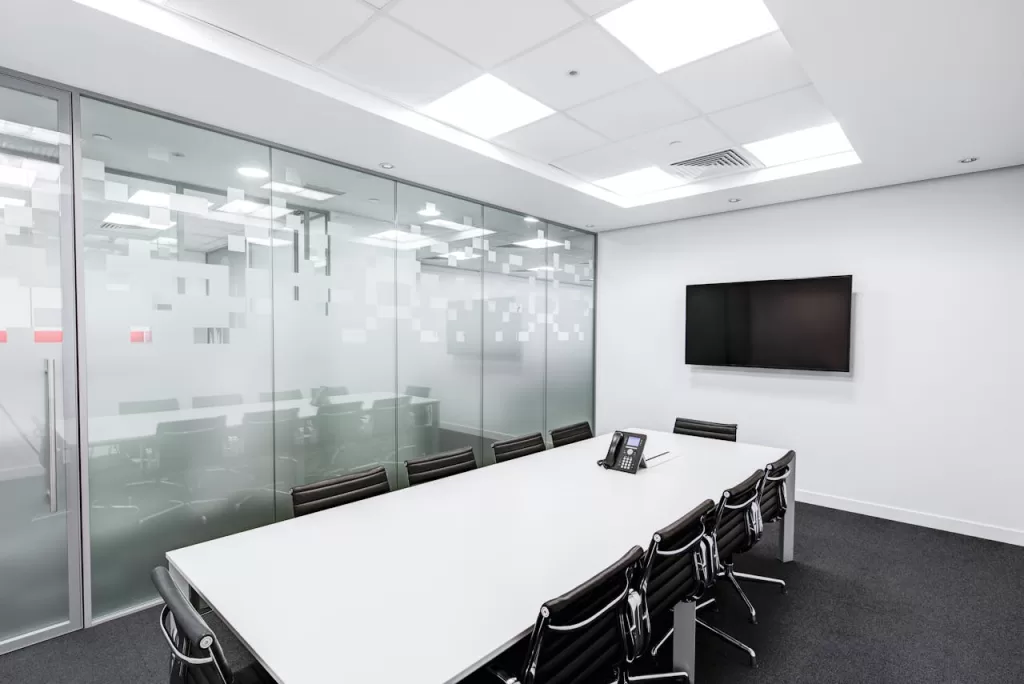
Meeting rooms, as hubs of collaboration and decision-making, must be designed to facilitate clear and efficient interaction. Poor acoustics can undermine this, leading to misunderstandings and uncomfortable meetings.
Optimising acoustics in meeting rooms involves more than just enhancing sound quality; it’s about creating an environment where every participant can hear and contribute effectively. This guide looks at practical methods for improving acoustics to ensure meetings are productive and comfortable.
Understanding Meeting Room Acoustics
Before addressing solutions, it’s important to grasp what affects acoustics in a meeting room. Acoustics refers to how sound behaves within a space, influenced by various factors:
- Room Size and Shape: Large rooms may experience echo, while smaller ones might have sound bouncing off walls, creating a noisy environment.
- Surface Materials: Hard surfaces, such as glass and concrete, reflect sound, whereas soft materials like carpets and curtains absorb it.
- Furniture Arrangement: The placement of furniture can significantly impact how sound travels through the room.
Key Strategies to Improve Acoustics
1. Install Acoustic Panels
Acoustic Panels are highly effective at absorbing sound and reducing echoes. When installing:
- Material: Choose panels made from high-density foam or fabric-wrapped materials known for their sound-absorbing properties.
- Placement: Position panels on walls and ceilings, focusing on areas where sound reflections are most problematic. Typically, placing panels on the walls opposite reflective surfaces, such as large glass windows or whiteboards, helps manage sound more effectively.

2. Incorporate Soundproofing Techniques
Soundproofing prevents sound from entering or leaving a room, which is crucial for maintaining privacy and reducing external noise:
- Seal Gaps: Ensure all gaps around doors, windows, and walls are sealed using weatherstripping or acoustic sealant. This prevents sound leakage and improves overall sound isolation.
- Heavy Curtains: Install thick, heavy curtains over windows to absorb sound and reduce external noise intrusion.
3. Add Soft Furnishings
Soft furnishings are key to improving acoustics by absorbing sound and reducing echo:
- Carpets or Rugs: Large, plush carpets or rugs on the floor help absorb sound and mitigate echoes. Opt for high-pile rugs where practical for the best effect.
- Soft Seating: Use upholstered chairs and sofas instead of hard, wooden furniture. The fabric and cushioning of upholstered seating absorb sound, creating a more pleasant auditory environment.
4. Implement Diffusers
Diffusers scatter sound waves, preventing sound distortion and creating a balanced acoustic environment:
- Placement: Install diffusers on walls and ceilings, particularly in larger rooms where sound can become too concentrated. Ensure they are evenly distributed to achieve optimal sound distribution.
- Types: Choose from various types of diffusers, such as panel diffusers, that can be designed to blend with the room’s decor.

5. Optimise Room Layout
The arrangement of furniture and equipment affects acoustics significantly:
- Place Furniture Strategically: Arrange tables and chairs to ensure even distribution of sound. Avoid placing large, reflective surfaces directly opposite each other, as this can cause sound to bounce and create an echo.
- Position Equipment Carefully: Ensure audio-visual equipment is placed to avoid sound interference. For example, speakers should not be placed too close to microphones to prevent feedback.
6. Upgrade Audio-Visual Equipment
High-quality audio-visual equipment is essential for clear sound in meetings:
- Microphones: Use directional microphones that pick up sound clearly from specific areas and reduce background noise. Wireless options can provide greater flexibility and reduce clutter.
- Speakers: Invest in speakers designed for clear sound distribution. Ensure they are placed to provide even coverage throughout the room.
7. Consult an Acoustic Specialist
For more complex acoustic issues, consulting an acoustic specialist can be invaluable. They can:
- Conduct Assessments: Perform detailed acoustic assessments to identify problem areas and provide tailored solutions.
- Recommend Solutions: Offer specific recommendations, such as custom acoustic treatments or advanced soundproofing techniques.
Benefits of Improved Acoustics
Enhancing the acoustics in your meeting room provides several benefits:
- Enhanced Communication: Clear sound improves the ability to understand and respond to conversations, reducing misunderstandings and enhancing overall communication.
- Increased Productivity: A well-designed acoustic environment contributes to a more focused and efficient working atmosphere, helping participants concentrate on the task at hand.
- Better Collaboration: Improved sound quality ensures that all participants can hear and contribute equally, fostering better teamwork and collaboration.