![The [RE]Search Co.](https://re-search.co/wp-content/uploads/2025/02/The-RE-Search-Co-Orange_Grey-png-350x51.avif)

In today’s globalised economy, office furniture as an example can be sourced from almost anywhere in the world – but at what cost?
While international procurement offers businesses a wide range of choices, the environmental impact of shipping over long distances is significant. The carbon footprint associated with transporting furniture is a critical factor that businesses must consider, particularly in the context of sustainable construction standards such as LEED (Leadership in Energy and Environmental Design).
These standards increasingly reward procurement strategies that prioritise local or regional sourcing, recognising the environmental benefits that come from minimising shipping distances.

The Environmental Impact of Long-Distance Shipping
Shipping furniture over long distances involves the consumption of substantial amounts of fossil fuels, resulting in high levels of carbon dioxide (CO2) emissions. The type of transportation used—whether by air, sea, or land—also plays a significant role in determining the environmental impact.
Air freight, for instance, is the most carbon-intensive mode of transportation, emitting up to 500 grams of CO2 per tonne-kilometre. In contrast, sea freight emits approximately 10-40 grams of CO2 per tonne-kilometre, but it is significantly slower.

To illustrate this, let’s consider the difference in carbon emissions when shipping a tonne of office furniture from a manufacturing plant in the United States to an office in Singapore. The distance between the two locations is roughly 15,000 kilometres.
Shipping by air would result in emissions of approximately 7,500 kilograms of CO2, given the higher carbon intensity of air freight. On the other hand, if the same furniture were sourced from a regional manufacturer within Southeast Asia, the emissions could be reduced to a fraction of this amount, particularly if sea or road transport were used over a much shorter distance.
This stark difference highlights the environmental cost of long-distance shipping and underscores the importance of sourcing office furniture from local or regional manufacturers whenever possible.
Not only does this approach reduce the carbon footprint, but it also aligns with the growing emphasis on sustainability in the business world.
The Importance of Local Sourcing
LEED certification pioneered standards for sustainable building practices worldwide. One of the key criteria for earning LEED points is the use of locally sourced materials. The rationale behind this is straightforward: local sourcing reduces the environmental impact associated with transportation.
Under LEED, materials and products sourced within a 500-mile (800-kilometre) radius of the project site can contribute towards achieving points in the Materials and Resources category. This incentive encourages businesses to think locally when procuring office furniture and other materials, thereby promoting a more sustainable approach to construction and interior design.
The Advantages of Local Manufacturing
Beyond the environmental benefits, local manufacturing and assembly offer several additional advantages that make it a compelling strategy for office furniture brands and buyers alike.
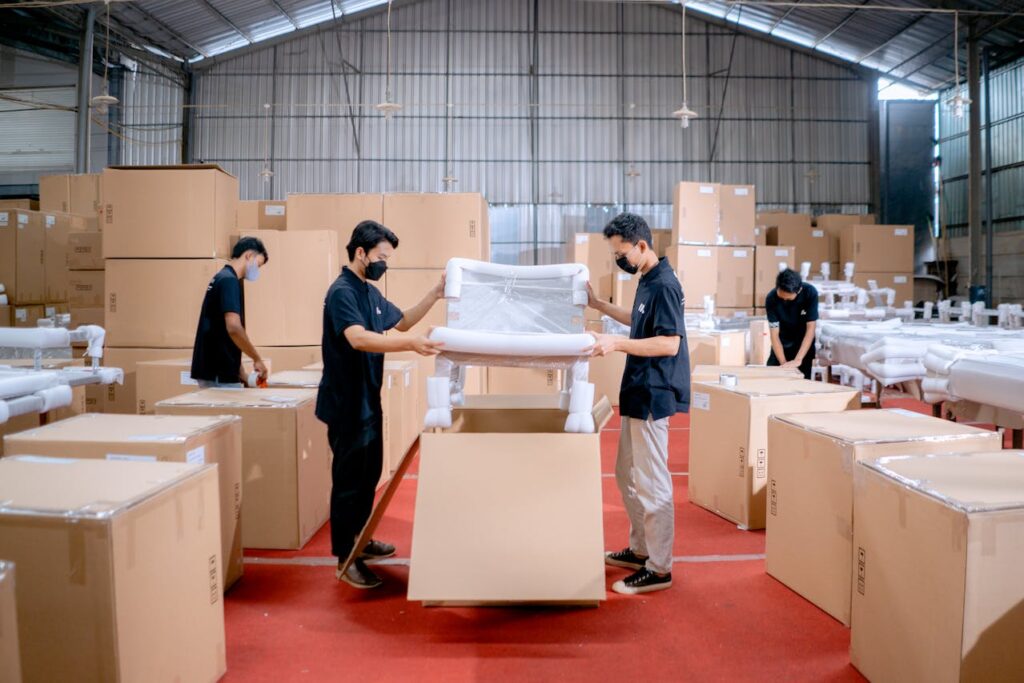
- Faster Shipping Times: When furniture is manufactured and assembled locally, shipping times are significantly reduced. This can be particularly beneficial for businesses that require quick turnaround times for office setups or renovations. Faster delivery not only enhances customer satisfaction but also reduces the logistical complexities and potential delays associated with long-distance shipping.
- Reduced Logistical Risks: Long-distance shipping carries risks, including delays, damage during transit, and potential customs issues. By sourcing furniture locally, businesses can mitigate these risks and ensure that their office setups are completed on time and to the desired specifications. Local suppliers are often more flexible and responsive to last-minute changes or requests.
- Supporting Local Economies: Local manufacturing and assembly contribute to the growth of the local economy by creating jobs and supporting local businesses. This has a ripple effect, as the economic benefits extend beyond the immediate supplier to other sectors, including transportation, warehousing, and retail. For businesses with a strong corporate social responsibility ethos, supporting the local economy can also enhance their brand image and reputation.
- Improved After-Sales Service: Local manufacturers are better positioned to provide after-sales service, including maintenance, repairs, and replacements. This can be a significant advantage for businesses, as it ensures that any issues with the furniture can be addressed promptly and with minimal disruption to operations. Additionally, local suppliers may offer more personalised service, which can lead to better customer relationships and higher satisfaction levels.
Over the last two to three decades there has been a growing trend towards localised manufacturing, where companies establish production facilities closer to their key markets. This strategy is driven not only by the need to reduce shipping distances and associated carbon emissions but also by the desire to respond more quickly to market demands and changes in consumer preferences.
For example, a global office furniture brand might choose to set up a manufacturing plant in Southeast Asia to serve the markets of Singapore, Kuala Lumpur, Bangkok, Manila, Jakarta and others. By doing so, the company can reduce its reliance on long-distance shipping from the United States, Europe or even China, shorten lead times, and offer more customised products that cater to the specific needs of the Southeast Asian market.

Localised manufacturing allows the company to take advantage of regional materials and expertise, further reducing its environmental impact and enhancing its sustainability credentials.The Future of Office Furniture Procurement
As businesses continue to prioritise sustainability, the importance of local sourcing in office furniture procurement cannot be overstated. The environmental impact of long-distance shipping is significant, and the benefits of local manufacturing and assembly extend far beyond reducing carbon emissions.
Faster shipping times, reduced logistical risks, support for local economies, and improved after-sales service are just some of the additional advantages that make local sourcing a compelling choice for businesses.