![The [RE]Search Co.](https://re-search.co/wp-content/uploads/2025/02/The-RE-Search-Co-Orange_Grey-png-350x51.avif)

Repetitive Strain Injury (RSI) is a prevalent issue in modern workplaces, particularly as more jobs involve prolonged periods of computer use and repetitive tasks.
RSI refers to a range of conditions affecting the muscles, tendons, and nerves, primarily in the hands, wrists, arms, and shoulders, resulting from repetitive movements or overuse.
Understanding the causes, recognising the symptoms, and implementing preventive measures are crucial for maintaining a healthy and productive work environment.
What Causes RSI in the Workplace?
RSI is most commonly associated with repetitive tasks that require precision and endurance, leading to strain on specific muscle groups. Here are some common workplace causes:
Prolonged Typing and Mouse Use:
- Constant typing or using a mouse without sufficient breaks can place undue stress on the hands and wrists, leading to RSI. Over time, repetitive motion without rest can result in inflammation and pain.

Poor Posture:
-
- Sitting for extended periods with poor posture, such as slouching or leaning forward, can strain the muscles and tendons in the back, neck, and shoulders. This can contribute to the development of RSI, particularly in workers who spend much of their day at a desk.
Repetitive Movements:
-
- Tasks that require the same motion repeatedly, such as assembling products or using certain tools, can lead to overuse injuries. These tasks often involve small, precise movements that can cause strain over time.
Inadequate Workspace Setup:
-
- An improperly arranged workstation can force workers into awkward positions, exacerbating the risk of RSI. Factors such as incorrect desk height, an improperly positioned monitor, or an uncomfortable chair can contribute to the problem.
Excessive Force:
-
- Applying too much pressure when typing, clicking a mouse, or using tools can increase the risk of developing RSI. This is especially true when combined with repetitive motion and inadequate rest.
Lack of Breaks:
-
- Failing to take regular breaks from repetitive tasks can prevent muscles from recovering, leading to fatigue and an increased risk of injury. Over time, this lack of rest can result in chronic pain and discomfort.
Recognising the Symptoms of RSI
Early detection of RSI is vital for preventing long-term damage. The symptoms can vary depending on the severity and the affected area, but common signs include:
Pain and Tenderness:
-
- Affected muscles, tendons, or joints may become painful and tender, particularly after prolonged activity.
Stiffness:
-
- Stiffness in the affected area can make it difficult to move, leading to decreased productivity and increased discomfort.
Tingling or Numbness:
-
- Workers may experience tingling or numbness, especially in the fingers or hands. This can be particularly concerning if it starts to interfere with daily tasks.
Weakness:
-
- Weakness in the hands or arms can make it challenging to grip objects or perform tasks that require strength.
Cramping:
-
- Frequent cramping in the hands or forearms is another common symptom of RSI, often occurring after extended periods of repetitive motion.
If these symptoms are ignored, RSI can develop into a chronic condition, making it difficult for workers to perform even simple tasks without pain.
Preventing RSI in the Workplace
Preventing RSI requires a combination of proper ergonomics, regular breaks, and healthy work habits. Here are some strategies that can help:
Ergonomic Workspace Setup:
-
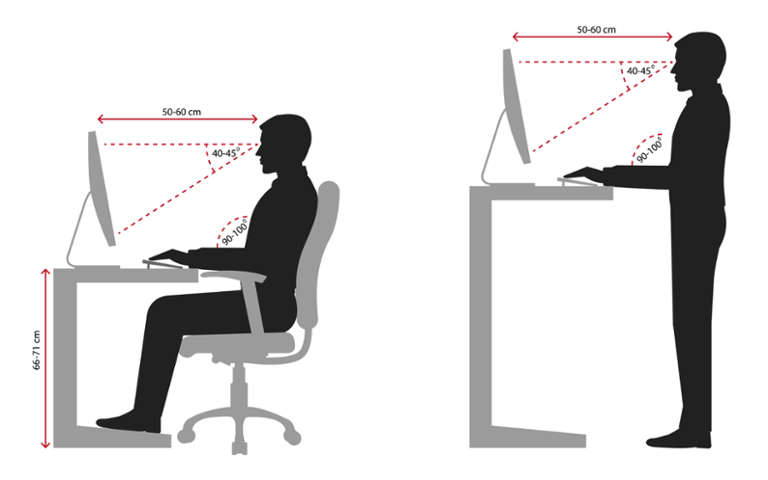
- Adjusting the workspace to support a neutral posture is key to preventing RSI. Ensure that the chair and desk are at the correct height so that feet are flat on the floor, thighs are parallel to the ground, and forearms are at or below the level of the keyboard. The monitor should be at eye level, about an arm’s length away, to avoid straining the neck and eyes.
Proper Posture:
-
- Maintaining good posture is essential. Workers should sit upright with their backs straight and shoulders relaxed but not slouched. The lower back should be supported by a cushion or lumbar support, and wrists should be kept in a neutral position, not bent, when typing or using a mouse.
Regular Breaks:
-
- Taking regular breaks is one of the most effective ways to prevent RSI. Microbreaks of just a few minutes every 20-30 minutes can make a significant difference. During these breaks, workers should stretch, move around, and rest their eyes to reduce strain.
Exercise and Stretching:
-
- Incorporating stretching and strengthening exercises into the daily routine can help prevent RSI. Stretches that target the wrists, hands, arms, and shoulders can relieve tension and improve flexibility. Strengthening the muscles involved in repetitive tasks can increase endurance and reduce the risk of injury.
Proper Typing Technique:
-
- Using a light touch when typing and avoiding pounding the keys can reduce the risk of RSI. Workers should also keep their fingers relaxed and avoid resting their wrists on hard surfaces while typing to prevent strain.
Use of Ergonomic Accessories:
-
- Ergonomic accessories, such as split keyboards, vertical mice, and wrist rests, can help reduce strain and support a more natural hand and wrist position. Document holders that place papers at eye level can also prevent neck strain.

Monitor and Adjust Workload:
-
- Workers should pace their tasks to avoid rushing and causing unnecessary strain. It’s also important to seek variety in daily tasks to avoid overusing any one muscle group.
RSI is a serious concern in the workplace, but it is also preventable. By understanding the causes and symptoms of RSI and taking proactive steps to create an ergonomic workspace, maintain good posture, and incorporate regular breaks and stretching, individuals can significantly reduce their risk of developing this condition.
Employers should also be mindful of RSI risks and promote healthy work habits to ensure a comfortable and productive environment. Prevention is always better than cure, and with the right strategies in place, RSI can be effectively managed and avoided.