![The [RE]Search Co.](https://re-search.co/wp-content/uploads/2025/02/The-RE-Search-Co-Orange_Grey-png-350x51.avif)
Businesses are increasingly seeking out innovative solutions to meet the needs of a more flexible, hybrid workforce.
One such solution that has gained significant traction is the concept of pop-up offices. These temporary, adaptable workspaces offer a fresh approach to office environments, addressing the need for flexibility, cost-effectiveness, and enhanced collaboration.
Here we look at the rise of pop-up offices, the benefits, and why they are becoming a key element in the future of work.
What Are Pop-Up Offices?
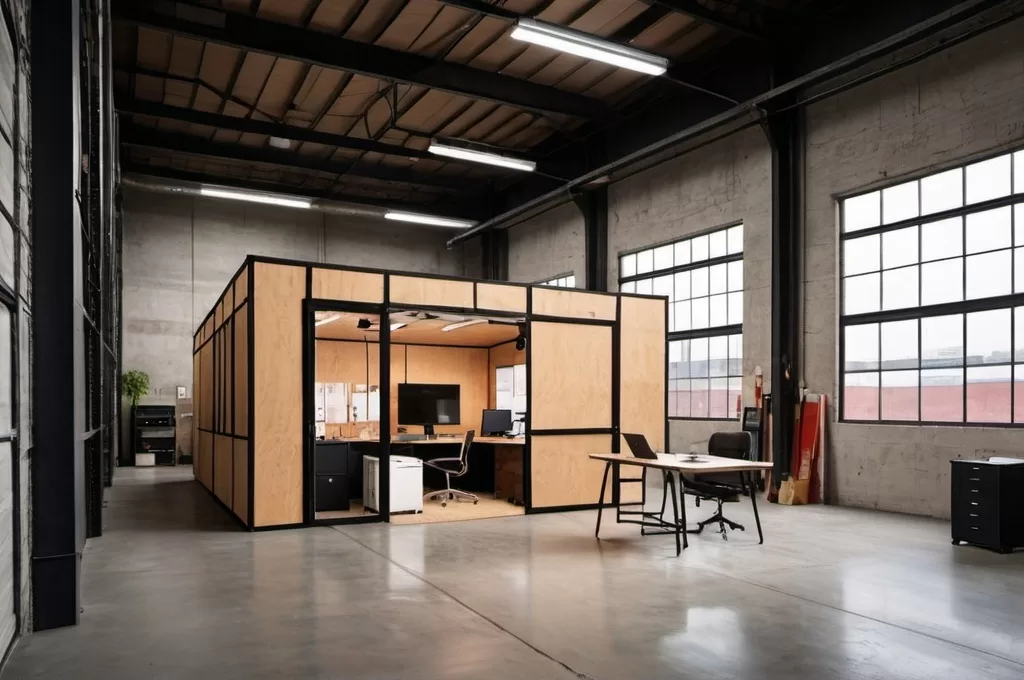
Pop-up offices are temporary workspaces that can be established in various locations, offering businesses the flexibility to adapt to changing needs. Unlike traditional office spaces that require long-term leases and significant investment, pop-up offices can be quickly set up and dismantled, making them ideal for short-term projects, events, or temporary expansions.
These offices can take many forms, from co-working spaces and cafes to repurposed retail stores or bespoke setups like converted shipping containers. The primary appeal of pop-up offices lies in their ability to provide a functional, professional workspace without the commitments and costs associated with permanent office space.
The Need for Flexibility in a Hybrid Work Model
The shift towards hybrid working models has been one of the most significant workplace trends in recent years. As employees increasingly seek the flexibility to work from various locations, the demand for adaptable workspaces has grown. Pop-up offices cater to this need by offering a middle ground between working from home and commuting to a central office.
For businesses, the flexibility of pop-up offices allows them to respond to fluctuating demands, such as accommodating a project team for a few weeks or setting up a temporary office for an event. This adaptability is particularly valuable in today’s fast-paced business environment, where the ability to pivot quickly can be a competitive advantage.
Cost-Effective Solutions for Businesses
One of the primary advantages of pop-up offices is their cost-effectiveness. Traditional office leases often involve long-term commitments and significant upfront costs, which can be prohibitive for many businesses, especially startups and small enterprises. In contrast, pop-up offices offer a more affordable alternative by allowing companies to pay for space only when they need it.
For businesses looking to scale quickly or those operating in expensive markets, pop-up offices provide a viable solution. By avoiding the costs associated with permanent office spaces, companies can allocate resources more efficiently, investing in other areas of growth or innovation.
Enhancing Collaboration and Creativity
While remote work has its benefits, it can sometimes lead to isolation and a lack of collaboration among team members. Pop-up offices offer a solution by providing a physical space where employees can come together, collaborate, and share ideas. These spaces can be customised to foster creativity, with layouts and amenities designed to encourage teamwork and innovation.

For example, a tech startup might set up a pop-up office with an open-plan layout, allowing developers to work side by side and quickly share ideas. A marketing agency might create a pop-up office with dedicated spaces for brainstorming and client presentations. By tailoring the workspace to the specific needs of the team, businesses can enhance collaboration and drive better outcomes.
Supporting Local Economies and Communities
Pop-up offices not only benefit the businesses that use them but also the local communities in which they are established. By repurposing vacant or under-utilised spaces, pop-up offices help revitalise neighbourhoods and contribute to local economic growth. This is particularly important in urban areas where retail spaces may have been impacted by the rise of e-commerce.
Local governments and business improvement districts often support the establishment of pop-up offices as a way to stimulate economic activity. In some cases, businesses may receive incentives, such as reduced rates or grants, for setting up pop-up offices in specific areas.
This creates a win-win situation, where businesses gain access to affordable, flexible workspaces, and communities benefit from increased foot traffic and economic development.
Successful Examples of Pop-Up Offices
Several companies have successfully implemented pop-up offices as part of their workplace strategy. Google, for example, has experimented with pop-up offices in various locations worldwide, allowing their teams to work from different cities while maintaining a strong company culture. These pop-up offices are often designed to reflect the local environment, providing employees with a unique and inspiring workspace.
Another example is the use of pop-up offices by creative agencies during major events like the Cannes Lions International Festival of Creativity. These temporary spaces enable agencies to establish a presence at the event, host client meetings, and collaborate with industry peers without the need for a permanent office in the area.
The Future of Pop-Up Offices
As businesses continue to adapt to the changing needs of their workforce, the demand for flexible, cost-effective workspaces is likely to grow. Pop-up offices are well-positioned to meet this demand, offering a dynamic solution that aligns with the hybrid work model.
As sustainability also becomes an increasingly important consideration, pop-up offices offer an environmentally friendly alternative to traditional office spaces. By repurposing existing buildings and reducing the need for new construction, pop-up offices can help businesses reduce their carbon footprint and support more sustainable practices.
Pop-up offices represent a significant shift in how businesses approach the workplace. Their flexibility, cost-effectiveness, and ability to enhance collaboration make them an attractive option for companies of all sizes. As the trend continues to grow, pop-up offices are likely to become a standard feature of modern workplace terminology, a solution that offers versatile options to the challenges of hybrid working.