![The [RE]Search Co.](https://re-search.co/wp-content/uploads/2025/02/The-RE-Search-Co-Orange_Grey-png-350x51.avif)
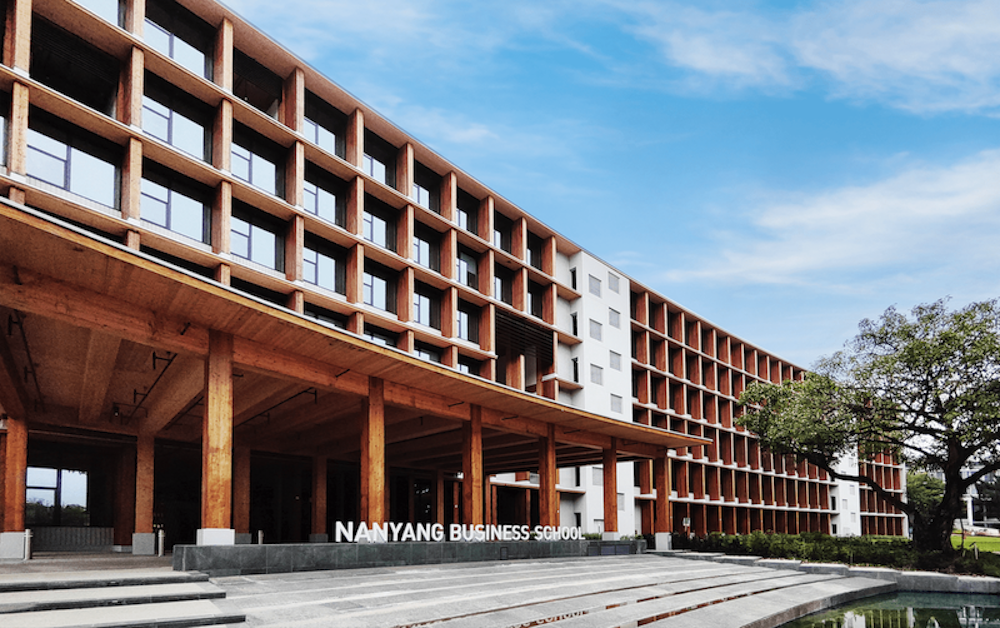
In the heart of Singapore’s Nanyang Technological University (NTU), the Gaia Building stands as a testament to the future of sustainable construction.
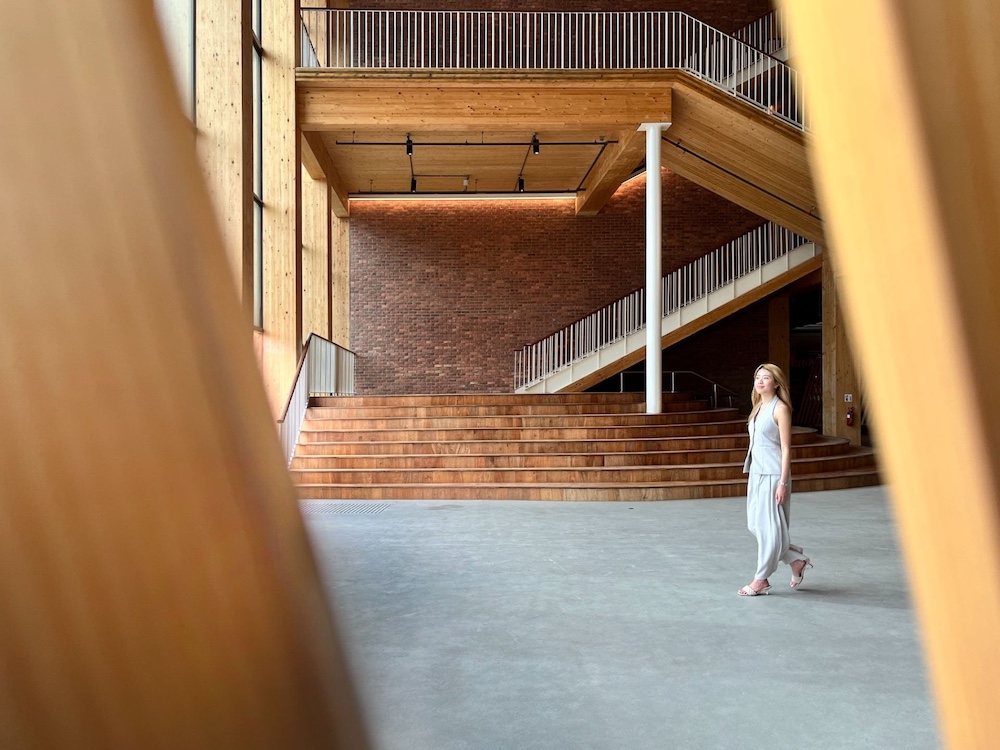
When it was inaugurated last year, it was celebrated as a revolutionary development in green architecture. The 450,000-square-foot structure, composed primarily of mass-engineered timber (MET), reflects a growing global trend towards using wood as a sustainable alternative to conventional building materials like steel and concrete.
However, a recent Bloomberg article has brought to light concerns over mold growth within the building, prompting discussions about the viability of timber in Singapore’s tropical climate.
The following explores the issues raised and presents a balanced perspective on the use of wood in construction, particularly in humid environments like Singapore.
The Gaia Building: A Commitment to Sustainability
The Gaia Building was designed to be a beacon of sustainability. The decision to use MET, particularly Austrian spruce, was driven by a commitment to reducing the building’s carbon footprint.
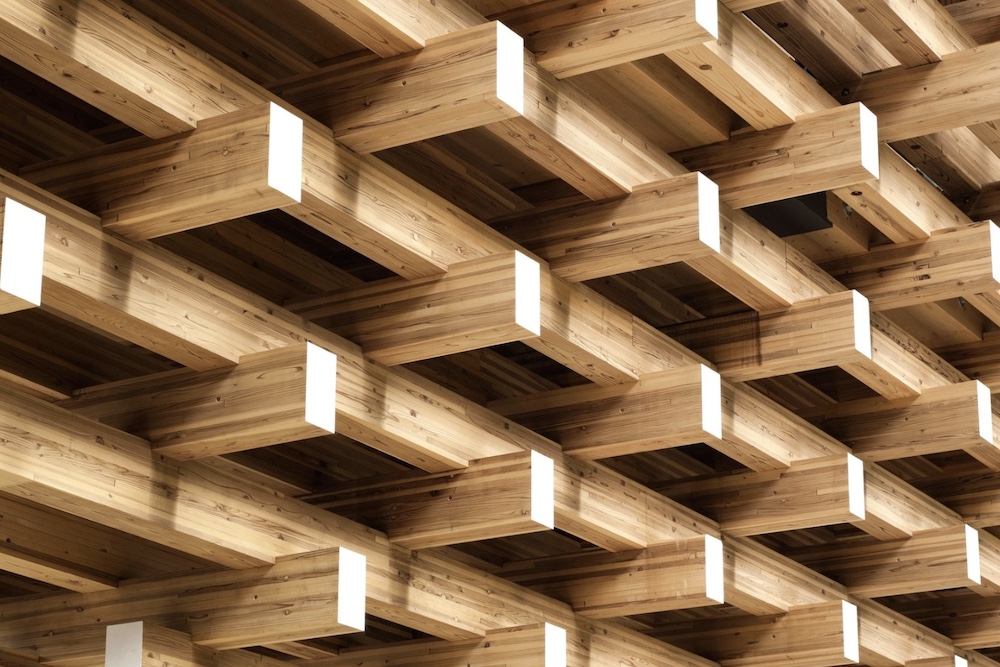
Unlike traditional construction materials, wood is renewable and acts as a carbon sink, storing carbon dioxide absorbed during the tree’s growth. This carbon sequestration plays a critical role in mitigating the effects of climate change, making timber an attractive option for sustainable architecture.
The supplier of the wood for the Gaia Building estimates that the structure stores over 5,000 tons of CO2, after accounting for shipping—a significant contribution to reducing global greenhouse gas emissions. The building’s design also incorporates biophilic principles, fostering a connection between occupants and nature, which is known to enhance well-being and productivity.
Mold: A Common Challenge in Tropical Environments
Despite its many benefits, the use of timber in construction, particularly in tropical climates like Singapore, is not without challenges. The high humidity levels, which can exceed 80% year-round, create an environment conducive to mold growth. Mold is a common issue across various building materials, not just wood, and is prevalent in many tropical regions around the world.
Andrew Wong, a member of the International Wood Culture Society, notes that while spruce, the primary wood used in Gaia, has a lower resistance to mold compared to some hardwoods, the issue is largely a matter of climate. “We’re in the tropics, and that requires special attention,” he says.
Indeed, different climates pose unique challenges to timber construction, whether it’s the humidity of the tropics, the temperature fluctuations of desert climates, or the freezing conditions of colder regions.
The concerns raised about the Gaia Building highlight the importance of selecting the right materials and protective treatments for the local environment.
It is worth noting that the Gaia Building was not constructed with untreated wood. On the contrary, it was designed with larch cladding on the columns most exposed to sun and rain, and protective coatings were applied to the spruce. However, thicker coatings were not used in some areas to maintain the aesthetic appeal of the natural wood grain.
Proactive Measures and Maintenance at NTU
In response to the mold issue, NTU and RSP Architects Planners & Engineers have been proactive in addressing the challenge. A comprehensive maintenance plan has been put in place, including the regular reapplication of sealants on the timber, adjustments to the building’s HVAC systems to reduce moisture, and routine inspections to monitor the condition of the wood.
A joint statement from NTU and RSP Architects emphasises that mold is a common problem in Singapore’s humid climate, affecting various building materials. They highlight that the presence of mold does not necessarily compromise the structural integrity of the building or the health of its occupants, provided that appropriate maintenance protocols are followed.
NTU’s approach is not unique. Across the globe, buildings constructed from mass timber have successfully dealt with similar issues by tailoring their maintenance regimes to the specific environmental conditions they face. Whether in the humid tropics or the freezing north, the key to success lies in understanding the local climate and designing buildings accordingly.
The Case for Timber: A Sustainable Future
While the mold issue in the Gaia Building has drawn attention, it should not overshadow the broader benefits of timber construction. The environmental advantages of using wood in construction are clear: reduced carbon emissions, renewable sourcing, and the potential for creating healthier, more natural indoor environments.
In Singapore, where sustainability is a key focus, the use of timber in construction is part of a larger strategy to reduce the city-state’s carbon footprint. As more companies and institutions, including NTU, explore innovative building materials, timber will likely play a significant role in the future of sustainable architecture.
The choice of Austrian spruce for the Gaia Building, despite its lower resistance to mold, was driven by a combination of factors including environmental impact, cost, and aesthetic considerations. Spruce, while less mold-resistant than hardwoods like chengal, is more sustainable due to its faster growth rate and availability. The decision to maintain the natural appearance of the wood grain was intentional, aiming to preserve the building’s connection to nature, a core principle of biophilic design.
A Balanced Perspective
The Gaia Building’s mold issue underscores the challenges of using timber in tropical climates, but it also highlights the potential of wood as a sustainable building material. Mold is not an insurmountable problem; with proper design, treatment, and maintenance, timber buildings can thrive even in humid environments like Singapore. The key is a balanced approach that considers both the benefits and challenges of using wood in construction.
NTU and RSP Architects remain committed to pushing the boundaries of sustainable construction, using the lessons learned from Gaia to inform future projects.
As the world grapples with the realities of climate change, innovative construction techniques that reduce carbon emissions will become increasingly important. Timber, with its unique combination of environmental benefits and aesthetic appeal, will undoubtedly continue to play a crucial role in the future of architecture.