![The [RE]Search Co.](https://re-search.co/wp-content/uploads/2025/02/The-RE-Search-Co-Orange_Grey-png-350x51.avif)

For decades, the corner office was the ultimate symbol of success in the corporate world. It represented power, prestige, and status—often reserved for the most senior executives in an organisation.
However, as workplace design evolved, the traditional corner office began to fall out of favour. Open-plan layouts, designed to promote collaboration and equal access to natural light, led to the relegation of the corner office to a relic of the past. Yet, despite its decline in popularity, the corner office is making a comeback in a new, more flexible form.
We explore the changing role of the corner office in modern workplace design and how it continues to hold value in today’s dynamic work environments.
The Decline of the Traditional Corner Office
The corner office once epitomised corporate hierarchy. Positioned at the building’s edge, it boasted expansive views, abundant natural light, and a sense of privacy that was unavailable to the majority of employees.
In many organisations, having a corner office signified that you had “made it” to the top of the corporate ladder. However, as workplace dynamics began to shift towards more egalitarian and collaborative models, the corner office started to lose its appeal.
In the late 20th and early 21st centuries, workplace strategists and designers began to challenge the traditional office hierarchy. The rise of open-plan offices aimed to break down the physical barriers between employees, fostering a sense of community and collaboration.
Rather than confining natural light and views to a select few, designers moved open seating areas to the perimeter of the office floorplate, ensuring that all employees could enjoy these benefits. This shift not only democratized access to the most desirable parts of the office but also aligned with the growing emphasis on employee well-being and inclusivity.
The Evolution of Workplace Design
The move away from the corner office was part of a broader evolution in workplace design. The open-plan office, with its emphasis on flexibility and collaboration, became the norm in many industries. Walls and cubicles were replaced with large, open spaces filled with shared desks and communal areas. The focus was on creating environments that encouraged interaction and innovation, breaking down the silos that traditional office layouts often reinforced.
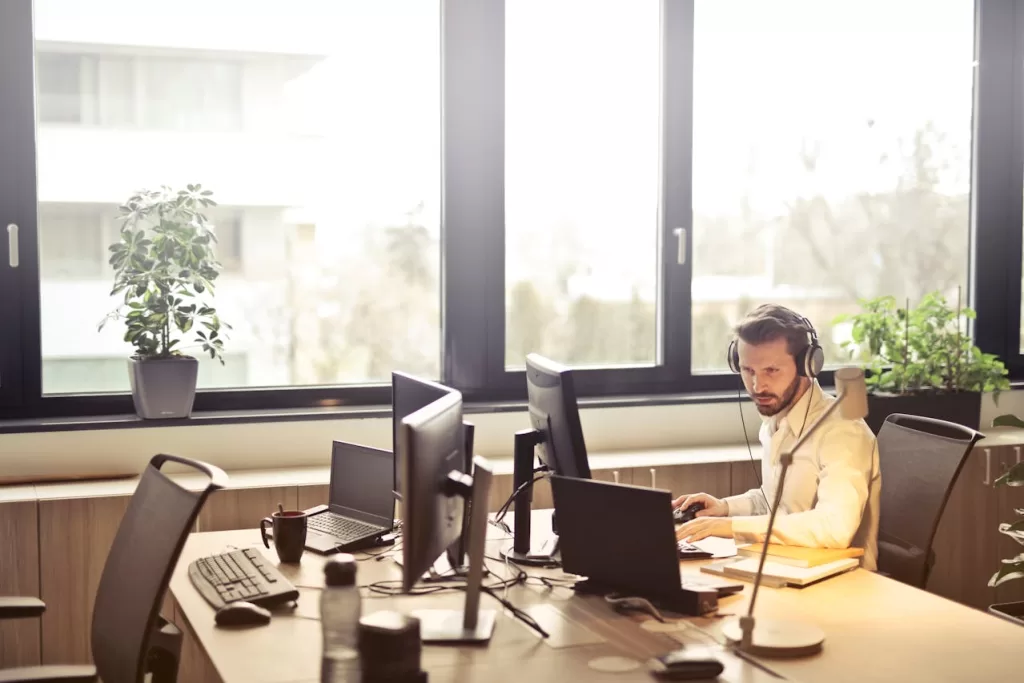
However, the open-plan office was not without its challenges. While it succeeded in promoting collaboration, it also introduced new issues, such as noise, lack of privacy, and distractions.
As these drawbacks became apparent, workplace designers began to seek a balance between openness and the need for quiet, focused work. This led to the development of hybrid office designs that combined open spaces with private areas, offering employees the flexibility to choose their work environment based on their tasks and preferences.
The Corner Office Reimagined
As the limitations of the open-plan office became more evident, the corner office began to find a new role in the workplace. Rather than being a static, status-driven space, the modern corner office has been reimagined as a flexible, multi-functional area that can serve various purposes depending on the needs of the organisation.
1. A Space for Executives and High-Profile Visitors
While the corner office is no longer the exclusive domain of top executives, it still holds value as a space for high-level meetings and important visitors. In many organisations, the corner office is used as a private space where executives can hold confidential discussions, meet with clients, or conduct sensitive negotiations. Its traditional association with status and prestige makes it an ideal setting for these kinds of interactions, offering both privacy and an impressive environment.
In addition, the corner office can be reserved for visiting executives or high-profile guests who require a temporary workspace during their visit. This allows the organisation to maintain a sense of formality and respect while providing a comfortable and well-appointed space for these individuals to work.
2. A Flexible Meeting Room
Another emerging use for the corner office is as a flexible meeting room. In today’s agile work environments, meeting spaces are in high demand. The corner office, with its ample natural light and views, offers an ideal setting for team meetings, brainstorming sessions, and collaborative work.
Unlike traditional conference rooms, which are often located in the building’s interior, the corner office provides a more inviting and inspiring atmosphere, contributing to more productive and engaging meetings.
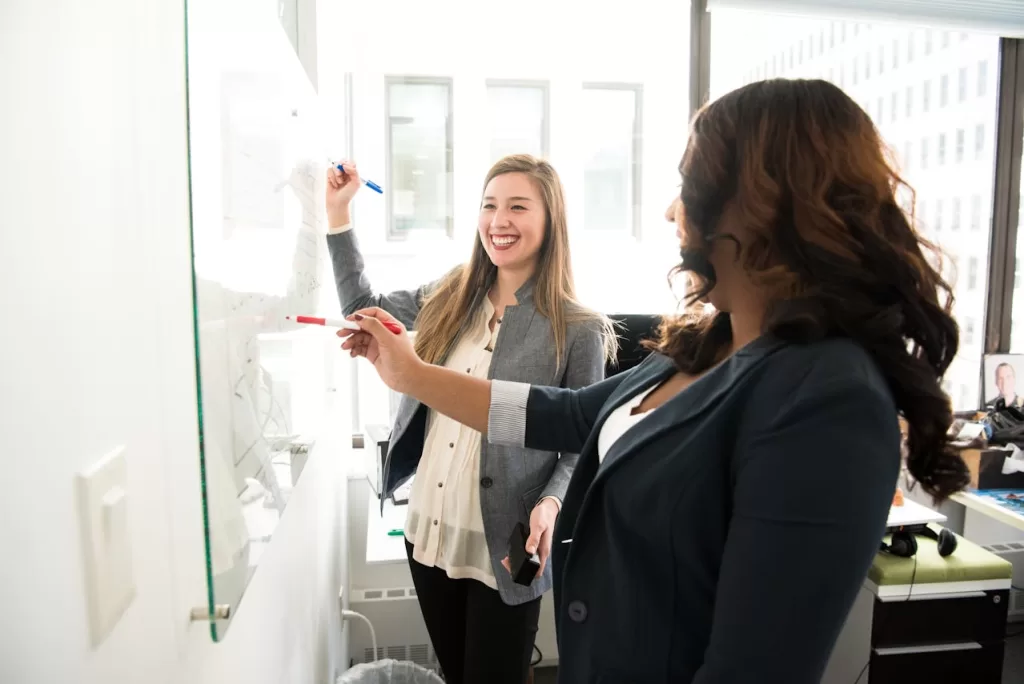
Some organisations have also equipped their corner offices with modular furniture and advanced technology, allowing the space to be easily reconfigured to suit different types of meetings. Whether it’s a formal board meeting, a casual team huddle, or a creative workshop, the corner office can adapt to meet the needs of the moment.
3. A Small Team Space
In addition to being used for meetings, the corner office can also serve as a dedicated workspace for small teams. In hybrid work environments, where employees may not be in the office every day, the corner office can be assigned to project teams or cross-functional groups that need a space to collaborate on specific tasks. This allows the team to work closely together in a private setting while still enjoying the benefits of natural light and views.
By repurposing the corner office as a team space, organisations can make better use of their office real estate while fostering collaboration and teamwork. This approach also supports the trend towards more fluid and dynamic workspaces, where employees are not tied to a specific desk or office but can move freely between different areas based on their needs.

The Corner Office and Employee Well-Being
One of the key reasons for the resurgence of the corner office is its potential to enhance employee well-being. As organisations place greater emphasis on creating healthy and supportive work environments, the corner office offers unique advantages that contribute to this goal.
Natural light, views of the outdoors, and a sense of privacy are all factors that can positively impact an employee’s well-being. Studies have shown that access to natural light can improve mood, reduce stress, and increase productivity. By making the corner office a flexible space that is accessible to more employees, organisations can leverage these benefits to create a healthier and more enjoyable workplace.
The corner office can also serve as a retreat for employees who need a break from the hustle and bustle of the open-plan office. Whether it’s used as a quiet space for focused work or as a place to relax and recharge, the corner office can play a key role in supporting employee well-being and satisfaction.
The Corner Office Still Has a Place
While the traditional corner office may have fallen out of favour in recent years, it is far from obsolete. In fact, the corner office has found a new place in the modern workplace as a flexible, multi-functional space that can adapt to the changing needs of organisations. Whether it’s used for executive meetings, team collaboration, or as a quiet retreat, the corner office continues to offer unique benefits that enhance the overall work environment.
As workplace design continues to evolve, the corner office serves as a reminder that not all traditional concepts need to be discarded. Instead, they can be reimagined and repurposed to fit the needs of today’s dynamic and diverse workspaces. The corner office still has a place in the modern workplace, and its value is likely to endure for years to come.