![The [RE]Search Co.](https://re-search.co/wp-content/uploads/2025/02/The-RE-Search-Co-Orange_Grey-png-350x51.avif)

Visual distraction is an often-overlooked factor that can significantly impact productivity and well-being. While noise distractions are commonly addressed, visual stimuli — whether from movement, clutter, or overly busy environments — can be equally disruptive.
Understanding the nuances of visual distraction and implementing design-based solutions is crucial for creating effective, focused workspaces.
The Impact
Visual distractions can arise from various sources within an environment, including the movement of colleagues in open-plan spaces, cluttered desks, bright screens, and the design elements themselves. These distractions lead to frequent breaks in concentration, which can reduce productivity and increase stress levels.
Studies have shown that it can take up to 23 minutes to regain focus after a distraction, meaning that even brief visual interruptions can have a prolonged impact on work performance. For businesses, this translates to a significant loss in productivity and an increase in employee fatigue.
Designing to Minimise Visual Distraction
Addressing visual distraction in the workplace requires a thoughtful approach to design. Here, we explore various strategies that can be employed in furniture selection, layout configurations, and overall interior design to create environments that minimise visual clutter and promote concentration.
1. Strategic Use of Partitioning
Furniture Solutions: One of the most effective ways to reduce visual distraction is through the strategic use of partition screens and desk dividers. These can be incorporated into workstations to create personal boundaries without compromising the open feel of the space.
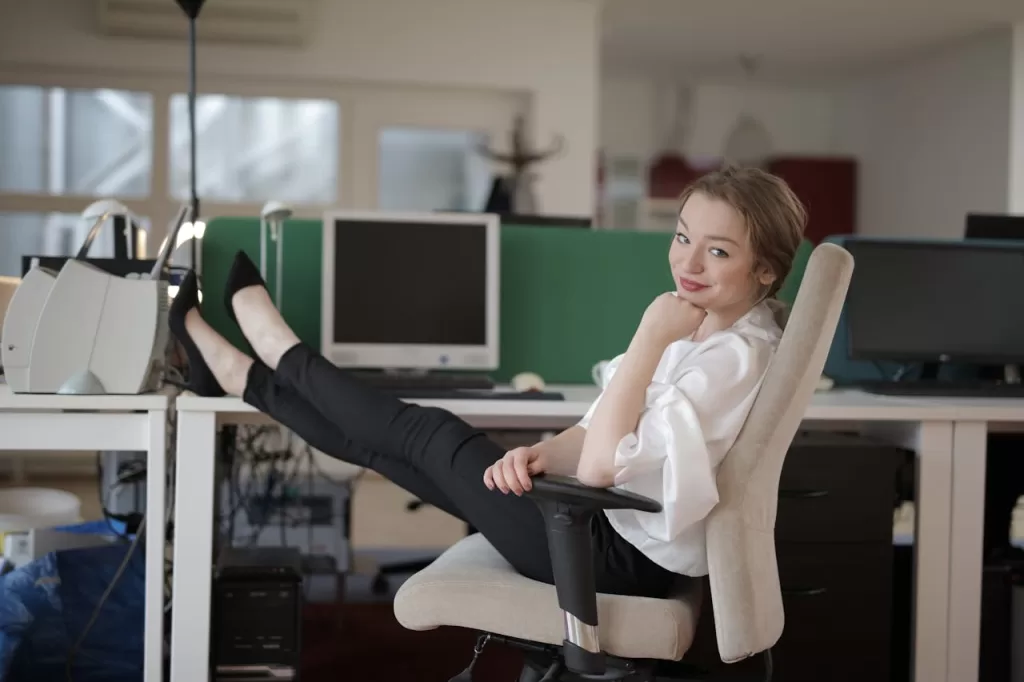
For instance, using semi-transparent or frosted glass partitions allows light to pass through while reducing the visibility of movement in the background. Acoustic panels can also serve dual purposes, offering sound insulation and visual separation, which is particularly useful in open-plan offices.
Design Considerations: When selecting partitions, consider materials that align with the overall aesthetic of the office. Wooden or fabric-wrapped panels can add warmth and texture, while sleek metal or glass options offer a modern, minimalist look. The height of the partitions should also be considered; too low, and they may not block enough visual stimuli, too high, and they could make the space feel closed off.
2. Optimised Desk Layouts
Furniture Solutions: The layout of desks plays a significant role in managing visual distraction. Positioning desks to face away from high-traffic areas or windows can reduce the likelihood of employees being distracted by movement outside their immediate work area.
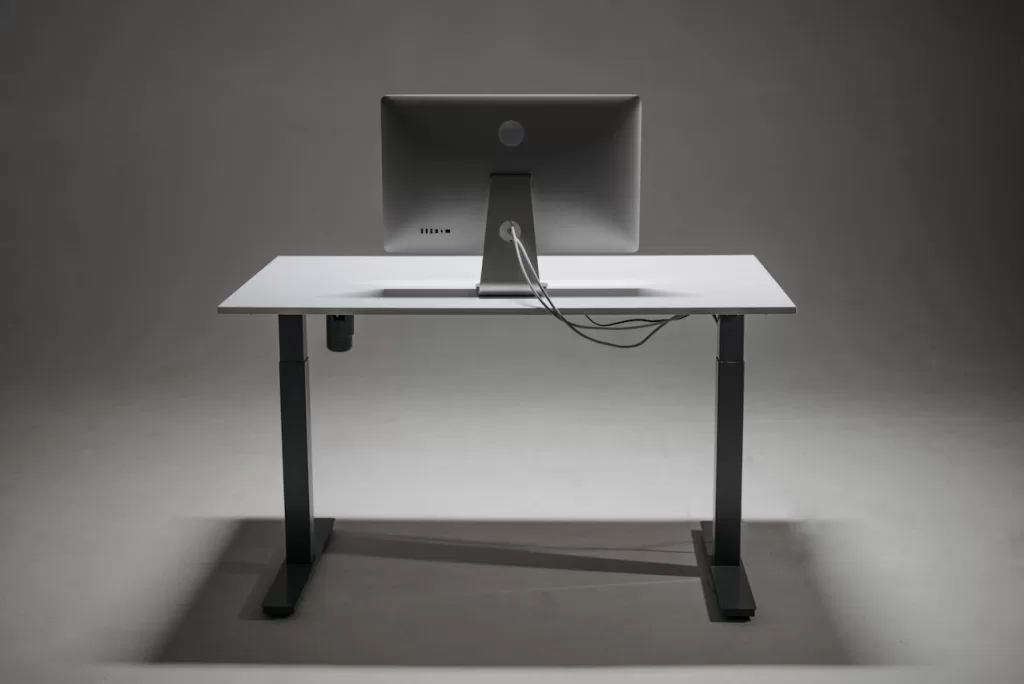
Corner desks or L-shaped workstations can be particularly effective, as they allow employees to orient themselves in a way that minimises visual interruptions. Additionally, adjustable desks that allow for both sitting and standing can give employees the flexibility to change their perspective throughout the day, which can help mitigate the effects of visual distractions.
Design Considerations: When configuring desk layouts, consider the flow of movement within the office. Avoid placing desks directly in the line of sight of main walkways or communal areas. Instead, create zones where focused work can take place, separate from collaborative spaces. This zoning approach can be further reinforced with the use of different flooring materials or ceiling treatments to visually distinguish between areas.
3. Decluttering and Organisational Solutions
Furniture Solutions: Clutter is a major source of visual distraction, and providing adequate storage solutions is key to maintaining a tidy workspace. Integrated storage units, such as under-desk drawers, shelving, and cabinets, can help employees keep their workstations organised and free of unnecessary items.

Modular storage solutions that can be customised to fit different needs and spaces are particularly useful in dynamic work environments where flexibility is essential.
Design Considerations: Incorporate storage solutions that blend seamlessly with the office’s overall design language. For example, built-in cabinetry with clean lines and hidden handles can contribute to a minimalist aesthetic, while open shelving with carefully curated items can add a personal touch without contributing to clutter.
4. Controlled Use of Glass and Transparency
Furniture Solutions: Glass is a popular material in modern office design, but its transparency can be a double-edged sword. While it enhances openness and allows natural light to permeate the space, it also exposes employees to more visual distractions.

One solution is the use of switchable glass, which can change from transparent to opaque at the touch of a button, providing flexibility based on the needs of the moment. Frosted or tinted glass can also be used to reduce the intensity of visual stimuli while still maintaining a sense of openness.
Design Considerations: When incorporating glass elements into office design, consider how they will interact with other elements in the space. For instance, combining glass partitions with natural wood or stone can create a balanced, harmonious environment that mitigates the harshness of transparency. The placement of glass elements should also be strategic, avoiding direct lines of sight into high-traffic areas.
5. Incorporating Visual Breaks and Natural Elements
Furniture Solutions: Incorporating natural elements into office design can provide visual breaks that help reduce eye strain and promote relaxation. Biophilic design, which integrates natural materials, light, and vegetation, has been shown to improve focus and well-being.

Furniture pieces that incorporate natural materials, such as wood or stone, can add a calming presence to the workspace. Planters and green walls can also serve as visual breaks, offering employees a soothing view that contrasts with the more dynamic elements of the office.
Design Considerations: The placement of natural elements should be thoughtful, ensuring they are visible from key work areas without becoming a distraction themselves. Consider the use of natural light to highlight these features, creating focal points that draw the eye in a restful way. Additionally, natural elements can be used to define different zones within the office, enhancing both functionality and aesthetics.
6. Thoughtful Use of Colour and Lighting
Furniture Solutions: Colour and lighting are powerful tools in managing visual distraction. Soft, neutral tones for desks and seating can reduce visual clutter and create a calming environment. Bright, bold colours should be used sparingly, reserved for accent pieces or areas where creativity and energy are encouraged.
Lighting also plays a crucial role in reducing visual distraction. Task lighting, such as desk lamps with adjustable brightness, allows employees to control the amount of light in their workspace, reducing glare and eye strain.
Design Considerations: When selecting colours, consider the psychological impact of different hues. Blues and greens are often associated with calm and focus, while yellows and oranges can stimulate creativity. Lighting design should consider both natural and artificial sources, aiming to create a balanced, well-lit environment that supports different work tasks.
Visual distraction is a critical consideration in office design, impacting both productivity and employee well-being. By implementing thoughtful design strategies — ranging from strategic partitioning and optimised desk layouts to controlled transparency and biophilic elements — we can create workspaces that minimise visual distractions and encourage a focused, productive environment.