![The [RE]Search Co.](https://re-search.co/wp-content/uploads/2025/02/The-RE-Search-Co-Orange_Grey-png-350x51.avif)
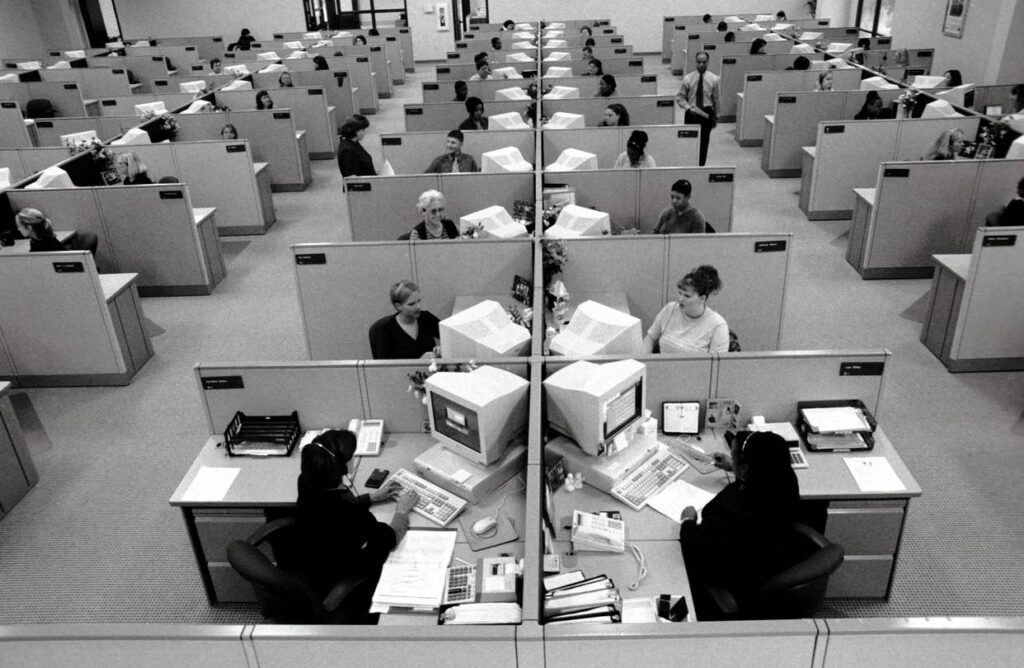
Could the cubicle be making a comeback in modern workplaces or did they never really go away? Once dismissed as dull, boxy fixtures of the corporate grind that denied us the ability to collaborate, cubicles are now being reimagined as valuable spaces for privacy and productivity. As employees return to their physical offices post-pandemic, the advantages of having a personal, quiet space to work have become evident.
The humble cubicle is shedding its outdated image and emerging as a sanctuary where focus and efficiency can thrive amidst a busy office environment. But today we don’t call them cubicles, we prefer terms such as ‘focus booth’.
Balancing Privacy and Collaboration
Achieving a balance between privacy and collaboration is a complex challenge, especially with evolving work styles such as hybrid and remote work. Consequently, office design has needed to adapt. The resurgence of the cubicle, alongside innovative design strategies, offers a blueprint for creating workspaces that support both individual focus and team activities. Modern cubicles or ‘focus booths’ are designed with flexibility, personalisation, and technology integration in mind, meeting contemporary aesthetic and functional needs.
Revisiting Cubicle Design for Modern Offices
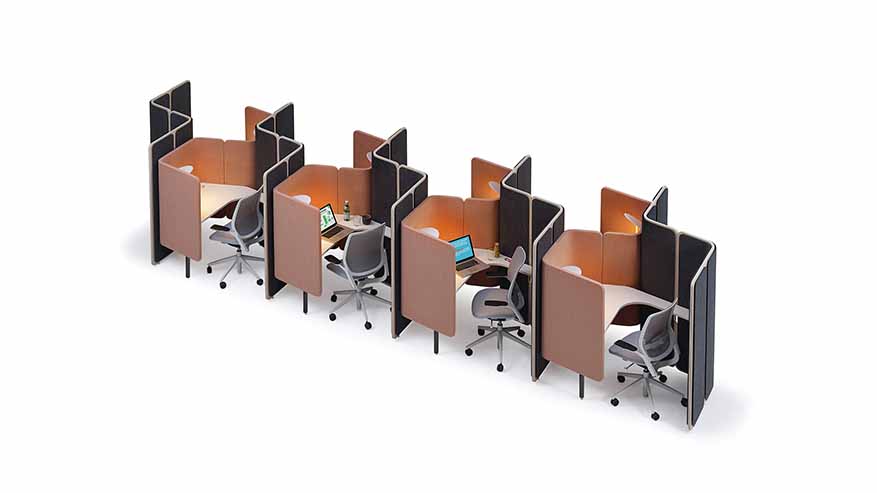
Today’s cubicles are far removed from their monotonous predecessors. The boxy panel systems that were commonplace have disappeared in favour of modular light-weight individual booths that can be easily moved or relocated. They are also designed to be adaptable, incorporating modular furniture that can be reconfigured as needed. Personal storage options and customisable furniture choices contribute to a more comfortable and personalised workspace. And prioritising technology is crucial—wireless tech and digital displays help reduce clutter and enhance efficiency.
Addressing Employee Well-being Through Design
A well-designed office cubicle can enhance employee comfort and focus. Ergonomic furniture is vital, providing better support to reduce strain on the body and prevent common musculoskeletal issues. Studies show that ergonomic improvements can decrease workplace injuries by 20%.
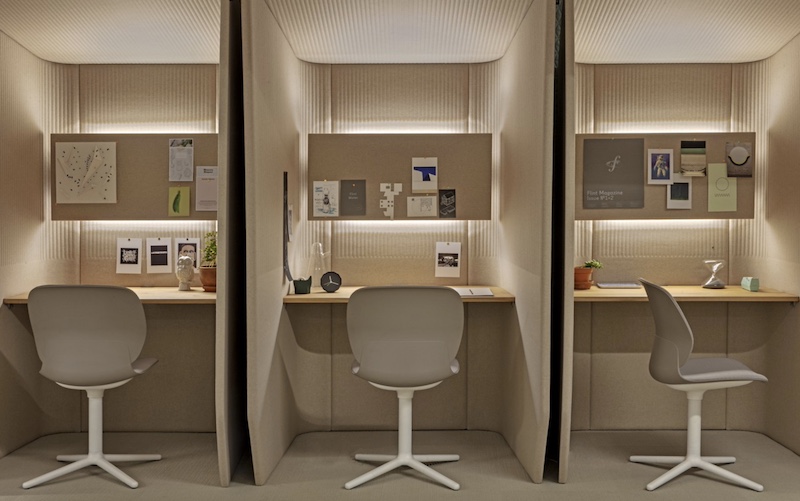
Customising office cubicles goes beyond ergonomics. Tailoring spaces for privacy or collaboration boosts focus and efficiency. Simple changes like the right chair, ample desk space, and good lighting significantly improve the workday. Thoughtful design touches, such as natural light and soothing colours, transform cubicles into retreats for productivity and well-being.
Psychological Benefits of Defined Workspaces
Having a personal, defined workspace can significantly enhance employee morale, reduce stress, and create a sense of belonging. Research suggests that more than 90% of employees value psychological well-being at work, and up to 75% experience work-related stress. Personalised space helps employees feel at home, strengthening their connection to their work environment. Cubicles provide psychological safe havens, offering quiet, personal territory where employees can thrive amidst office chaos with a sense of ownership.
Adapting to Hybrid Work Models
The cubicle’s resurgence is closely tied to the hybrid work model. As employees balance remote and in-office work, cubicles serve as personal retreats on office days. With a significant percentage of full-time workers adopting a hybrid schedule, the importance of dedicated spaces is growing. Cubicles offer privacy and minimise distractions, facilitating deep focus. They are adaptable, bridging the gap between the solitude of remote work and the collaborative spirit of office life.
Key Takeaways: Contributing to Future-Ready Workspaces
The space where you work significantly impacts your productivity, creativity, and happiness. The inclusion of the office cubicle in planing principals represents thoughtful progress in office design. By combining the need for private focus with opportunities for open collaboration, cubicles remain a practical solution for modern workplaces. Ultimately, it is important to offer choice.
As work habits continue to evolve, the cubicle serves as a reminder that sometimes the best way to move forward is by embracing the past with an eye on the future. This new era of work calls for designs that cater to diverse work styles, balancing the need for individual concentration and team interactions. The modern office cubicle, reimagined for today’s workforce, plays a crucial role in creating productive, adaptable, and welcoming work environments.