![The [RE]Search Co.](https://re-search.co/wp-content/uploads/2025/02/The-RE-Search-Co-Orange_Grey-png-350x51.avif)

Urban centres across Asia face significant challenges as e-commerce reshapes traditional retail, and hybrid work models transform the demand for office space.
High streets that were once bustling with activity are experiencing a decline in footfall, while central business districts (CBDs) are grappling with under-utilised office space.
These challenges present an opportunity for cities across Asia to reinvent themselves by adopting a holistic approach that seamlessly blends work, living, retail, leisure and community. This strategy can revitalise both CBDs and high streets, creating dynamic urban environments that cater to the evolving needs of the region’s diverse populations.
The Evolving Landscape of Retail and Commercial Real Estate in Asia
In Asia, the retail sector has been profoundly impacted by the rise of e-commerce, with consumers increasingly turning to online platforms for their shopping needs. This shift has led to the decline of traditional brick-and-mortar stores, particularly in high streets and shopping districts that were once bustling with activity.
Simultaneously, the adoption of hybrid work models, accelerated by the COVID-19 pandemic, has reduced the demand for office space in CBDs across major Asian cities. As a result, there is in some cases an oversupply of commercial real estate, with many buildings standing partially vacant.
These changes underscore the need for a comprehensive urban regeneration strategy that addresses the intertwined challenges of retail decline and the evolving commercial real estate market. By considering these issues together, cities in Asia can develop innovative solutions that revitalise their urban centres and create more sustainable, liveable communities.
Rethinking High Streets in Asia: Beyond Retail
High streets in Asia have traditionally been hubs of commerce, culture, and social interaction. However, their role now needs to evolve to meet the demands of a digital age. A diversified approach is needed—one that integrates residential, commercial, cultural, and leisure activities to create vibrant, multifunctional spaces.
-
- Mixed-Use Development: High streets can be revitalised by introducing mixed-use developments that combine residential, commercial, and recreational spaces. For instance, Singapore’s Orchard Road, traditionally known for its high-end retail, is undergoing transformation with further integration of residential units, offices, and lifestyle amenities. This approach not only addresses the demand for urban housing but also increases foot traffic, creating a more vibrant street life.
-
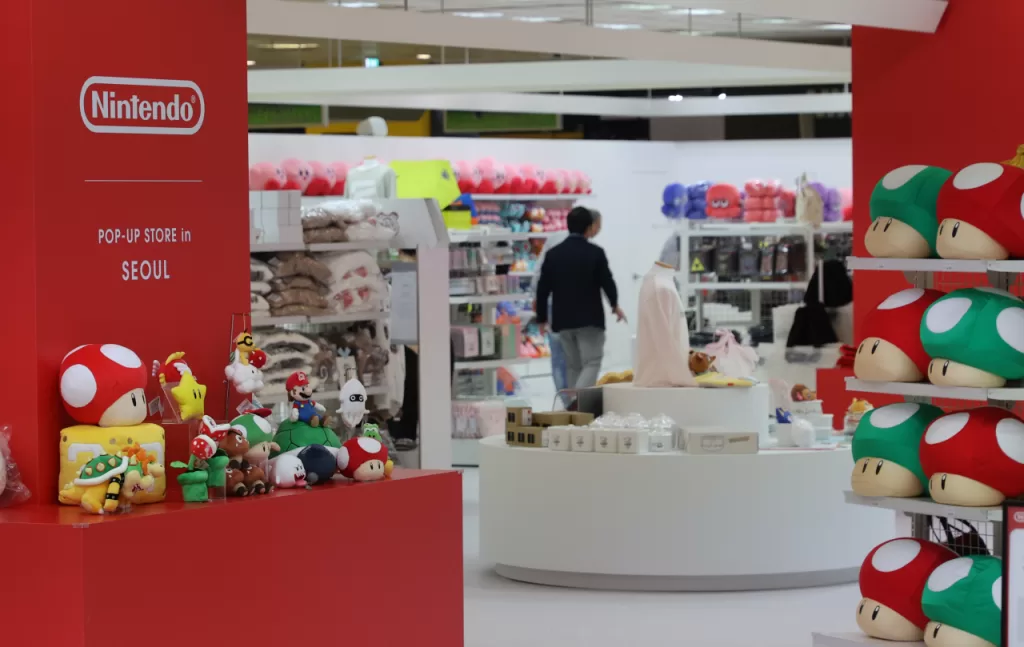
- Flexible Retail Spaces: The future of retail in Asia lies in flexibility and adaptability. In cities like Tokyo, Japan, and Seoul, South Korea, pop-up shops and experiential retail have become increasingly popular. These dynamic retail spaces provide unique, ever-changing experiences that attract both locals and tourists. By offering short-term leases and adaptable spaces, high streets can cater to a variety of businesses, from global brands to local artisans.
-
- Cultural and Leisure Activities: High streets in Asia should be more than just shopping destinations; they should be cultural and social hubs. In Hong Kong, the revitalisation of Tai Kwun—a heritage site transformed into a cultural and leisure complex—illustrates how integrating cultural venues, art spaces, and leisure activities can draw people to urban centres, fostering a sense of community and connection.
Reinventing the CBD in Asia: A New Purpose for Commercial Spaces
Central business districts in Asia’s major cities have long been the epicentres of economic activity. However, the shift towards hybrid work models has challenged their traditional role. To stay relevant, CBDs must adapt by embracing new functions that go beyond office work.
-
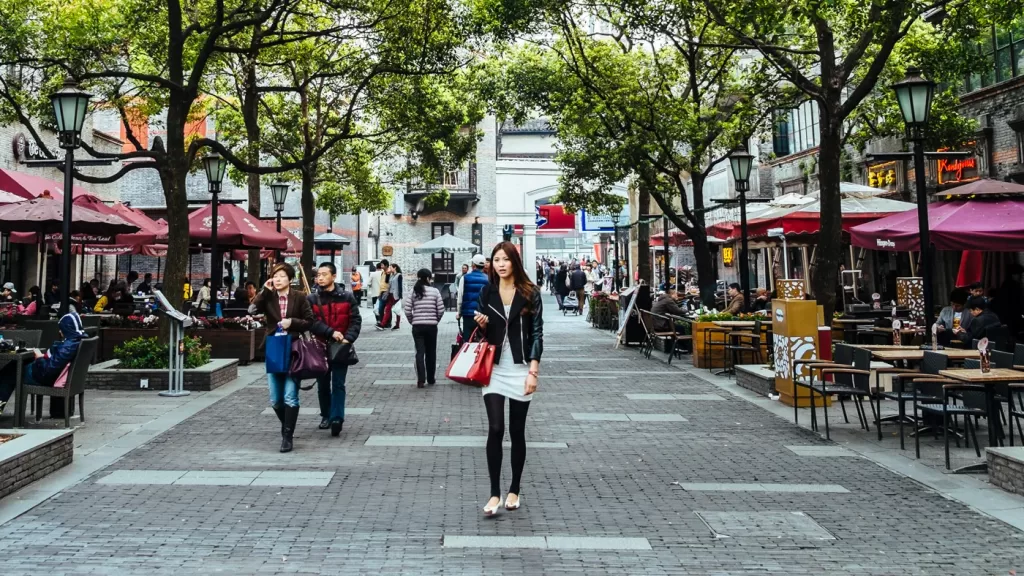
- Work-Life Integration: The concept of work-life integration is becoming increasingly important in Asian cities, where long working hours are common. CBDs can adapt by creating work-life hubs that combine office spaces with amenities such as gyms, childcare facilities, and wellness centres. In Shanghai, for example, the redevelopment of the Xintiandi district has successfully integrated commercial, residential, and recreational spaces, offering a balanced environment that supports both work and leisure.
-
- Adaptive Reuse of Office Buildings: The reduced demand for traditional office space in Asian CBDs presents an opportunity for adaptive reuse. In cities like Bangkok, Thailand, and Kuala Lumpur, Malaysia, there are growing trends towards converting under-utilised office buildings into residential units, hotels, or co-working spaces. This not only addresses the oversupply of commercial real estate but also introduces a diverse range of uses into the CBD, making it more attractive to residents and visitors alike.
-
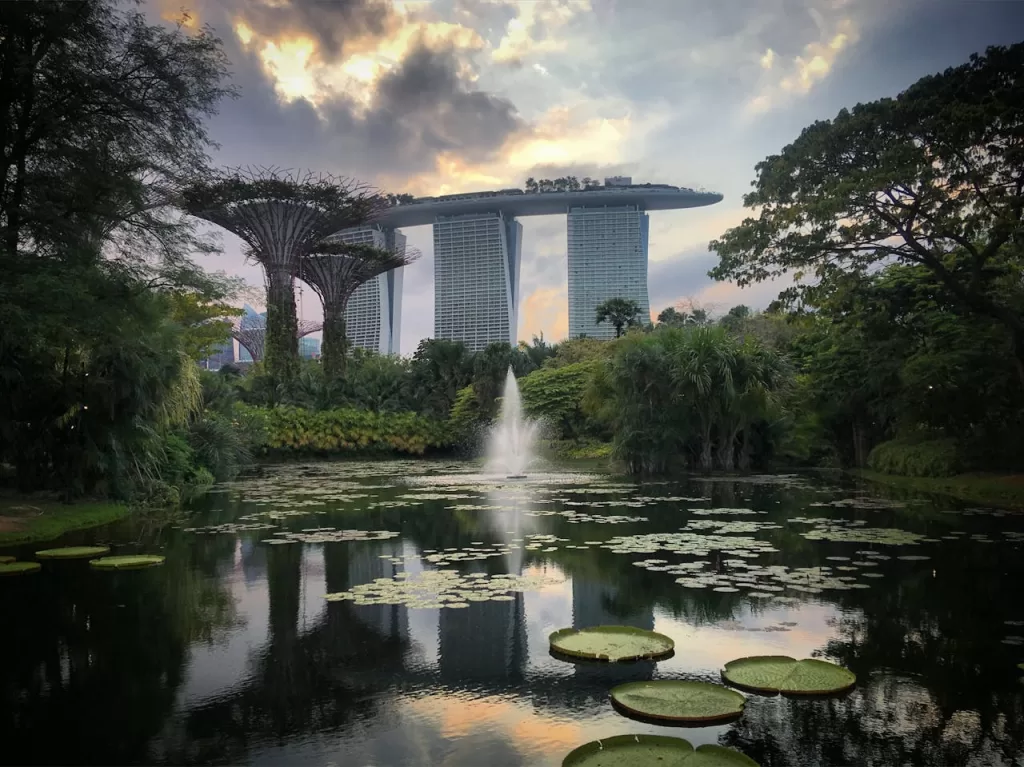
- Green Spaces and Public Areas: The integration of green spaces and public areas in CBDs is crucial for enhancing the quality of life in Asia’s densely populated cities. In Singapore, the Marina Bay area has been transformed with the introduction of parks, waterfront promenades, and green rooftops, creating a more liveable and environmentally friendly urban environment. These spaces offer residents and workers places to relax, exercise, and connect with nature amidst the cityscape.
Integrating Wellness and Sustainability in Urban Regeneration
Wellness and sustainability are increasingly important considerations in the regeneration of urban centres in Asia. By prioritising these aspects, cities can create environments that support healthy, balanced lifestyles while ensuring long-term environmental sustainability.
-
- Wellness-Oriented Design: Urban spaces in Asia should be designed with wellness in mind. This includes ensuring access to natural light, fresh air, and green spaces, as well as providing facilities for physical activity. In cities like Seoul, urban regeneration projects are increasingly incorporating wellness features such as biophilic design, which connects people with nature, and ergonomic workspaces that promote physical well-being.
-
- Sustainable Development Practices: Sustainability is a key focus for many Asian cities as they pursue urban regeneration. In Singapore, the Punggol Digital District is an example of a sustainable development that integrates eco-friendly building materials, energy-efficient systems, and sustainable transportation options. Such developments not only reduce environmental impact but also enhance the long-term viability and attractiveness of urban centres.
-
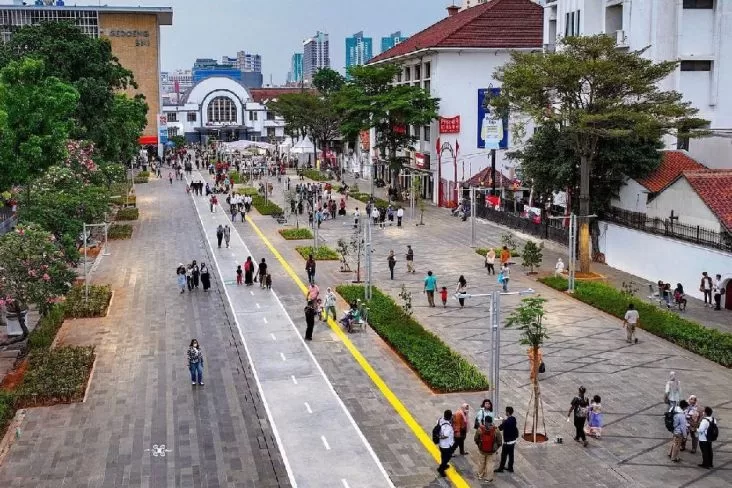
- Community Engagement and Inclusivity: Successful urban regeneration in Asia requires the active participation of the community. Engaging residents, businesses, and local organisations in the planning process ensures that developments meet the needs of those who live and work in the area. In Jakarta, Indonesia, the revitalisation of the Kota Tua (Old Town) area has involved extensive community engagement, resulting in a more inclusive and culturally sensitive regeneration effort.
The Role of Technology in Urban Regeneration in Asia
Technology is playing a pivotal role in the regeneration of urban centres across Asia. From smart city initiatives to digital platforms that enhance the shopping and working experience, technology can help create more efficient, responsive, and engaging urban environments.
-
- Smart City Solutions: Asian cities are at the forefront of adopting smart city technologies to improve urban functionality and sustainability. In Taipei, Taiwan, smart lighting, waste management systems, and traffic management solutions are being implemented to reduce congestion and enhance the overall quality of life. These technologies not only improve urban efficiency but also contribute to environmental sustainability.
-
- Digital Platforms for Retail and Work: The integration of digital platforms into the retail and work environments is essential for the future of Asian cities. In Singapore, digital platforms that support local businesses through click-and-collect services or virtual storefronts are helping high streets compete with e-commerce. Similarly, digital tools that facilitate remote work and collaboration are making hybrid work models more effective, reducing the need for traditional office space while maintaining productivity.
Case Studies: Successful Urban Regeneration in Asia
Several cities in Asia have successfully implemented holistic urban regeneration strategies that serve as models for others.
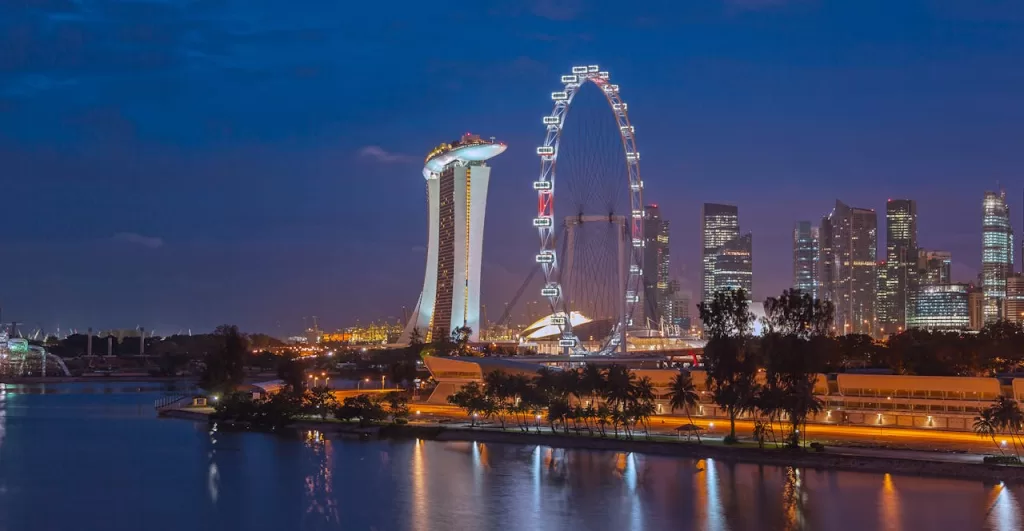
- Singapore: The transformation of the Marina Bay area in Singapore is a prime example of successful urban regeneration. Once a waterfront wasteland, it has been redeveloped into a vibrant mixed-use district that includes residential, commercial, cultural, and recreational spaces. The development prioritises sustainability and inclusivity, with green spaces, public art, and community facilities integrated throughout the area.
-
- Tokyo, Japan: Tokyo’s Marunouchi district has undergone significant transformation in recent years, focusing on creating a more liveable and sustainable urban environment. The redevelopment includes pedestrian-friendly streets, green spaces, and mixed-use developments, making the area a popular destination for both residents and visitors.
-
- Shanghai, China: The Xintiandi district in Shanghai is a model of successful urban regeneration that balances heritage preservation with modern development. The area, which was once a traditional residential neighbourhood, has been transformed into a vibrant hub of culture, commerce, and leisure, attracting both locals and tourists.
The challenges facing high streets and CBDs in Asia require a bold, innovative approach that transcends traditional solutions. By adopting a holistic strategy that integrates retail, work-life balance, wellness, and sustainability, cities across the region can transform their urban centres into vibrant, dynamic spaces that meet the needs of modern life.