![The [RE]Search Co.](https://re-search.co/wp-content/uploads/2025/02/The-RE-Search-Co-Orange_Grey-png-350x51.avif)
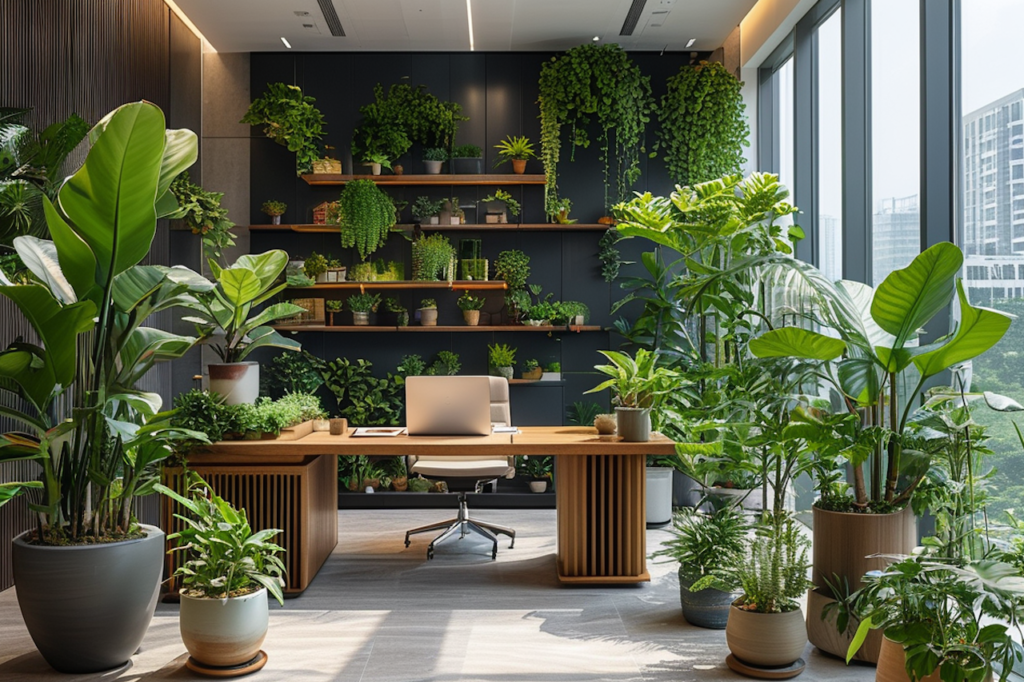
Incorporating biophilic design into the workplace is more than just a trend—it’s a proven strategy for improving employee well-being, satisfaction, and productivity.
By bringing nature indoors, biophilic design can create a calming, aesthetically pleasing environment that positively impacts mental and physical health. One of the most effective ways to implement this design principle is through the strategic use of indoor plants.
We explore the best plants for biophilic office design, focusing on their benefits, maintenance needs, and ideal placements.
The Benefits of Biophilic Design in the Workplace
Before discussing specific plant recommendations, it’s important to understand why biophilic design is so beneficial in the workplace. Numerous studies have shown that exposure to natural elements, such as plants, can significantly reduce stress, enhance creativity, and improve cognitive function.
According to a report by Human Spaces, employees working in environments with natural elements experience a 15% increase in well-being and a 6% increase in productivity.
Additionally, plants can help improve indoor air quality by filtering out pollutants and increasing oxygen levels. This not only creates a healthier environment but also reduces the risk of illness, leading to fewer sick days and increased employee retention.
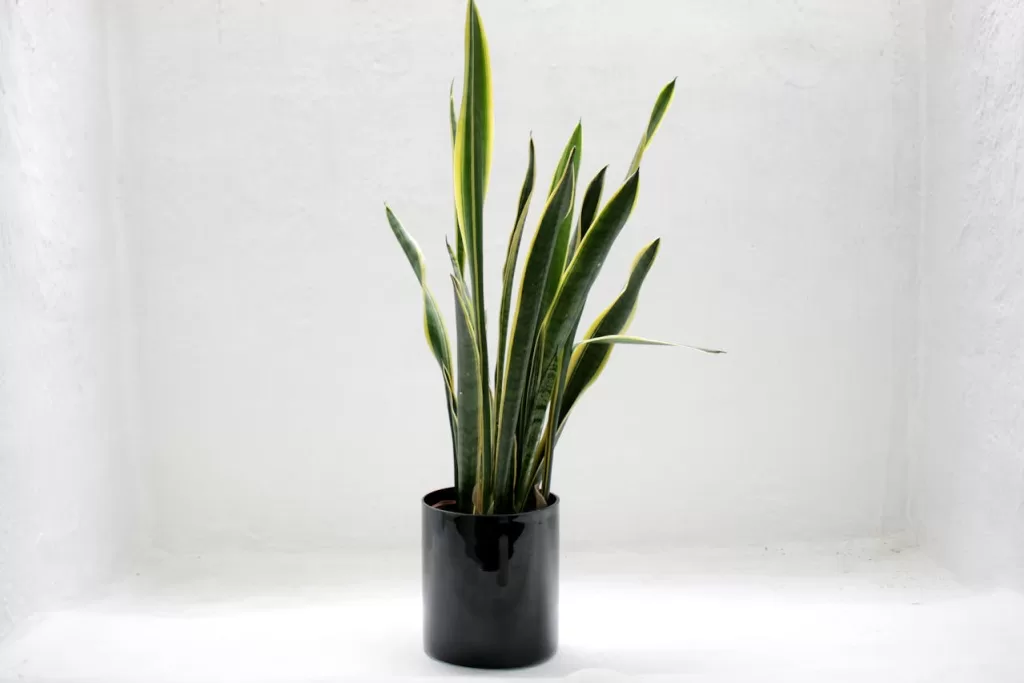
1. Snake Plant (Sansevieria trifasciata)
The snake plant, also known as mother-in-law’s tongue, is one of the most popular choices for office environments—and for good reason. This hardy plant is nearly indestructible and can thrive in low light and dry conditions, making it ideal for workplaces with minimal natural light or irregular watering schedules.
Benefits:
- Air Purification: The snake plant is highly effective at filtering indoor air, removing toxins such as formaldehyde, xylene, and benzene. NASA’s Clean Air Study identified it as one of the best plants for improving air quality.
- Low Maintenance: This plant requires very little care, needing only occasional watering. It can survive in low light, though it will also thrive in bright, indirect light.
Ideal Placement: Place snake plants near desks or in corners where natural light is minimal. They also work well as part of a larger plant arrangement or in areas where space is limited.
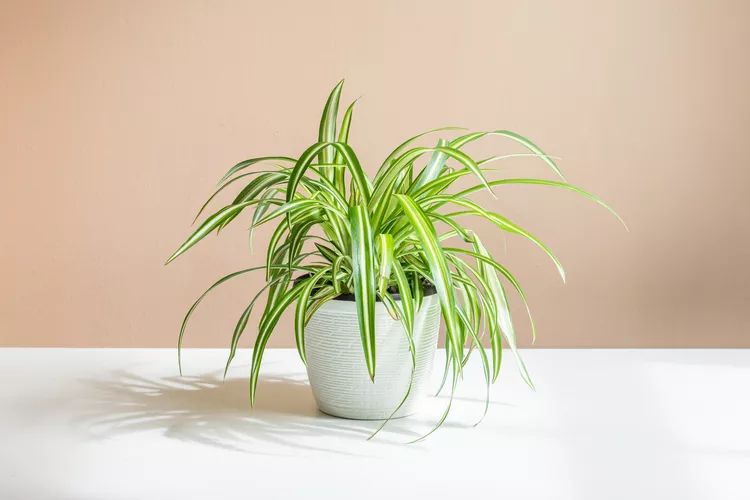
2. Spider Plant (Chlorophytum comosum)
The spider plant is another excellent option for offices, known for its air-purifying qualities and ease of care. Its long, arching leaves make it a visually appealing addition to any workspace.
Benefits:
- Air Quality: Spider plants are particularly effective at removing carbon monoxide, formaldehyde, and xylene from the air. They also produce oxygen, which can help increase alertness and reduce fatigue.
- Resilience: Spider plants are tough and can survive in a wide range of conditions, including low light and irregular watering. They also propagate easily, meaning you can quickly grow new plants from the offshoots.
Ideal Placement: Spider plants are versatile and can be placed in hanging baskets, on shelves, or atop filing cabinets. Their cascading leaves add visual interest and bring greenery to eye level.
3. Peace Lily (Spathiphyllum spp.)
Peace lilies are not only beautiful with their glossy leaves and striking white flowers, but they are also powerful air purifiers. This makes them a popular choice for enhancing office aesthetics while also promoting a healthier environment.
Benefits:
- Air Purification: Peace lilies excel at removing mould spores and common office toxins such as ammonia, formaldehyde, and benzene. They also help to improve indoor humidity levels, making the air more comfortable to breathe.
- Aesthetic Appeal: The white blooms of the peace lily can add a touch of elegance to any office space, making it a great choice for reception areas or executive offices.
Ideal Placement: Peace lilies prefer shaded areas or spaces with indirect light. They thrive under fluorescent lighting, which makes them suitable for areas without windows, such as meeting rooms or hallways.
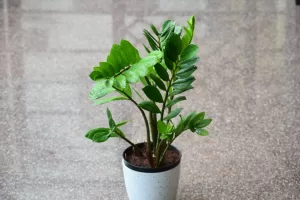
4. ZZ Plant (Zamioculcas zamiifolia)
The ZZ plant is another low-maintenance option that is almost impossible to kill. Its glossy, dark green leaves can add a modern touch to any office, and it’s perfect for those who may not have a green thumb.
Benefits:
- Durability: ZZ plants are drought-tolerant and can survive in low light, making them ideal for offices with inconsistent care routines. They are also resistant to pests and diseases, which further reduces the maintenance required.
- Air Quality: Like the other plants on this list, the ZZ plant helps to improve indoor air quality by filtering out toxins such as xylene, toluene, and benzene.
Ideal Placement: ZZ plants can be placed near office entrances, in dimly lit corners, or as part of a larger plant display. Their sculptural form makes them an attractive addition to any workspace.
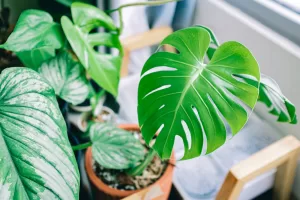
5. Philodendron (Philodendron spp.)
Philodendrons are a classic choice for office environments, known for their ease of care and ability to thrive in various lighting conditions. With their lush, green foliage, philodendrons can add a touch of nature to any space.
Benefits:
- Air Purification: Philodendrons are effective at removing formaldehyde from the air, a common pollutant in office environments. This contributes to a healthier workspace with cleaner air.
- Adaptability: These plants are incredibly versatile and can thrive in both low and bright light. They are also forgiving of occasional neglect, making them a practical choice.
Ideal Placement: Philodendrons can be used as hanging plants, placed on shelves, or positioned on desks. Their trailing vines add a natural element to the office, making the space feel more inviting and connected to nature.
6. Ficus (Ficus benjamina)
The ficus, or weeping fig, is a popular plant for larger office spaces due to its height and lush foliage. It can create a natural privacy screen while also improving air quality.

Benefits:
- Air Purification: The ficus is effective at removing common indoor pollutants, contributing to a cleaner and healthier work environment. Its large leaves can also help increase indoor humidity levels.
- Visual Impact: With proper care, ficus plants can grow quite tall, making them an excellent choice for filling empty spaces or creating natural dividers in open-plan offices.
Ideal Placement: Place ficus plants near windows where they can receive bright, indirect light. They are ideal for reception areas, open-plan offices, or as natural partitions between workstations.
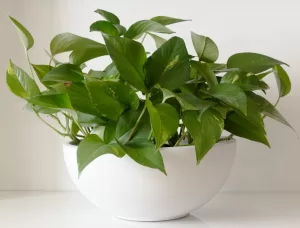
7. Pothos (Epipremnum aureum)
Pothos, also known as devil’s ivy, is another low-maintenance plant that is perfect for office environments. Its trailing vines and heart-shaped leaves make it a visually appealing addition to any workspace.
Benefits:
- Air Purification: Pothos plants are known for their ability to remove indoor pollutants such as formaldehyde, benzene, and xylene. They also help to increase oxygen levels, making the air fresher and more energising.
- Ease of Care: Pothos can thrive in a variety of lighting conditions, from low light to bright, indirect light. They are also tolerant of occasional neglect, making them a resilient choice for busy offices.
Ideal Placement: Pothos plants can be placed in hanging baskets, wall planters, or on top of shelves, where their vines can trail down and add greenery to the office.
8. Boston Fern (Nephrolepis exaltata)
Boston ferns are known for their feathery, arching fronds and ability to improve indoor air quality. They are particularly effective at increasing humidity levels, which can be beneficial in dry office environments.

Benefits:
- Air Quality: Boston ferns are excellent at removing pollutants such as formaldehyde and xylene from the air. They also help to increase indoor humidity, making the air more comfortable to breathe.
- Aesthetic Appeal: The lush, green fronds of the Boston fern can add a touch of natural beauty to any office space, making it a great choice for areas that need a visual lift.
Ideal Placement: Boston ferns thrive in areas with higher humidity, such as near restrooms or break rooms. They prefer indirect light, so placing them in shaded areas or under fluorescent lighting is ideal.
Bringing Nature Indoors for a Better Workplace
Incorporating plants into office design is a simple yet effective way to enhance the work environment. The benefits of biophilic design extend beyond aesthetics; they contribute to a healthier, more productive, and more satisfying workplace. Whether you’re looking to improve air quality, reduce stress, or simply add a touch of nature to a space, these plants can be ideal choices.