![The [RE]Search Co.](https://re-search.co/wp-content/uploads/2025/02/The-RE-Search-Co-Orange_Grey-png-350x51.avif)
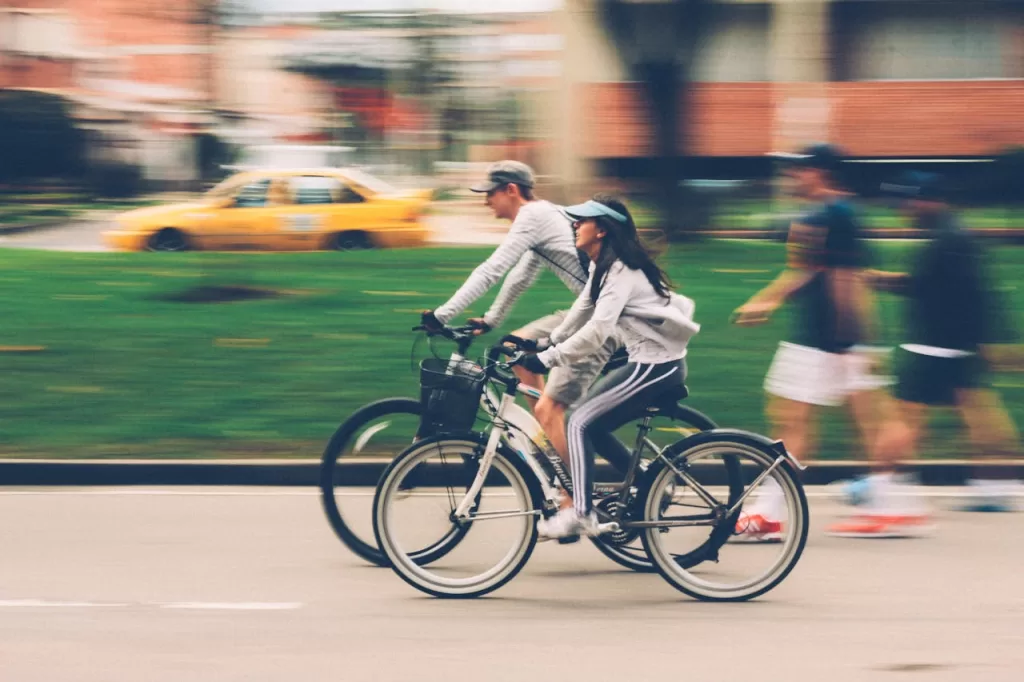
Commuting by bike is a growing trend worldwide, driven by concerns over sustainability, health benefits, and cost savings. In Asia, where urbanisation and traffic congestion are significant challenges, biking presents a potentially practical solution for daily commutes.
However, the practicality of cycling as a primary mode of transport varies across different Asian cities and countries.
So what are the factors that influence the feasibility of commuting by bike in Asia, considering infrastructure, safety, cultural attitudes, and environmental conditions?
We also explore specific examples from ten cities: Beijing, Tokyo, Singapore, Bangkok, Delhi, Hong Kong, Taipei, Kuala Lumpur, Manila, Jakarta, and Seoul.
Infrastructure and Cycling Facilities
Developing Cycling Infrastructure
In many Asian cities, the development of dedicated cycling infrastructure is still in its nascent stages. While some cities have made considerable progress, others lag behind due to space constraints and prioritisation of motor vehicle traffic.
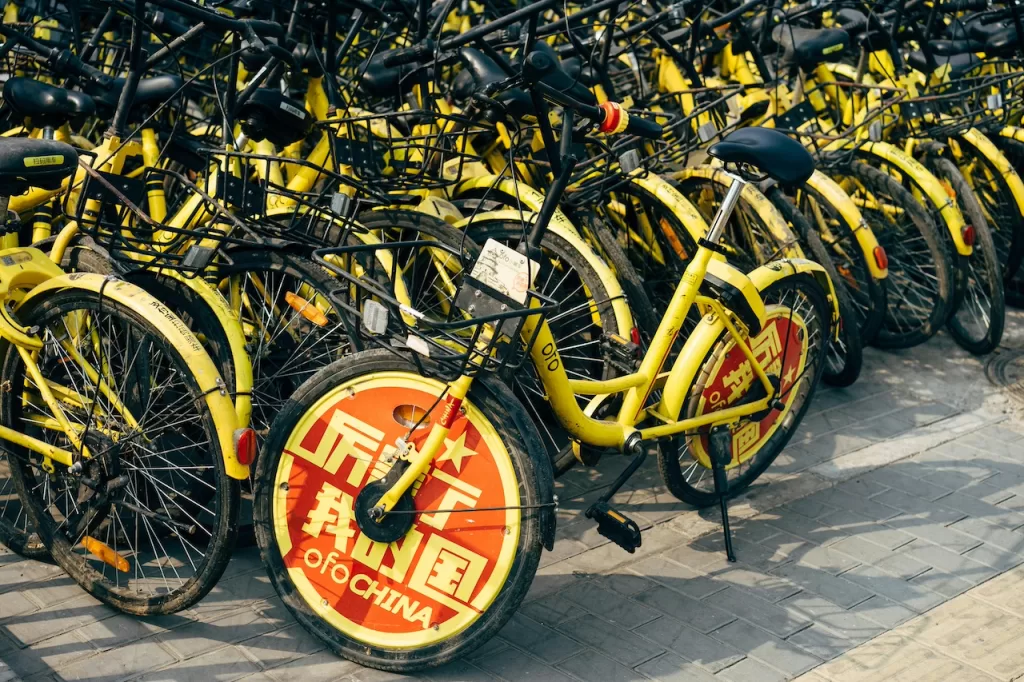
- Beijing, China: Beijing has extensive bike-sharing programs and dedicated bike lanes, making cycling a viable option. In recent years, China has heavily invested in cycling infrastructure, revitalising the biking culture that once dominated its urban landscapes.
-
- Tokyo, Japan: Tokyo has well-maintained bike lanes and parking facilities. However, the narrow streets and mixed traffic can sometimes pose challenges for cyclists.
-
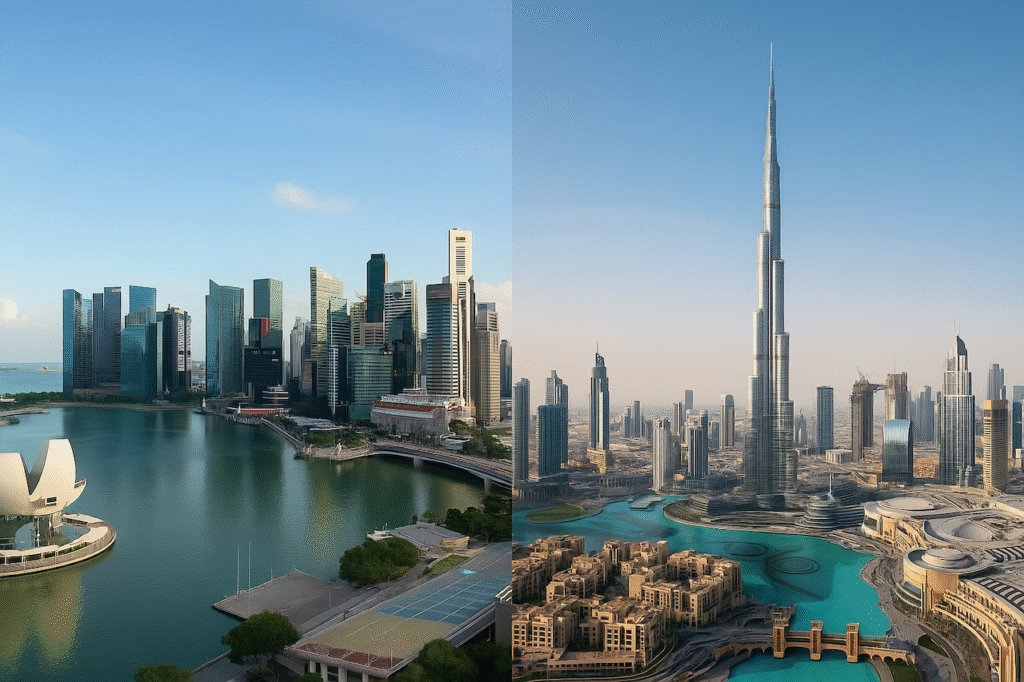
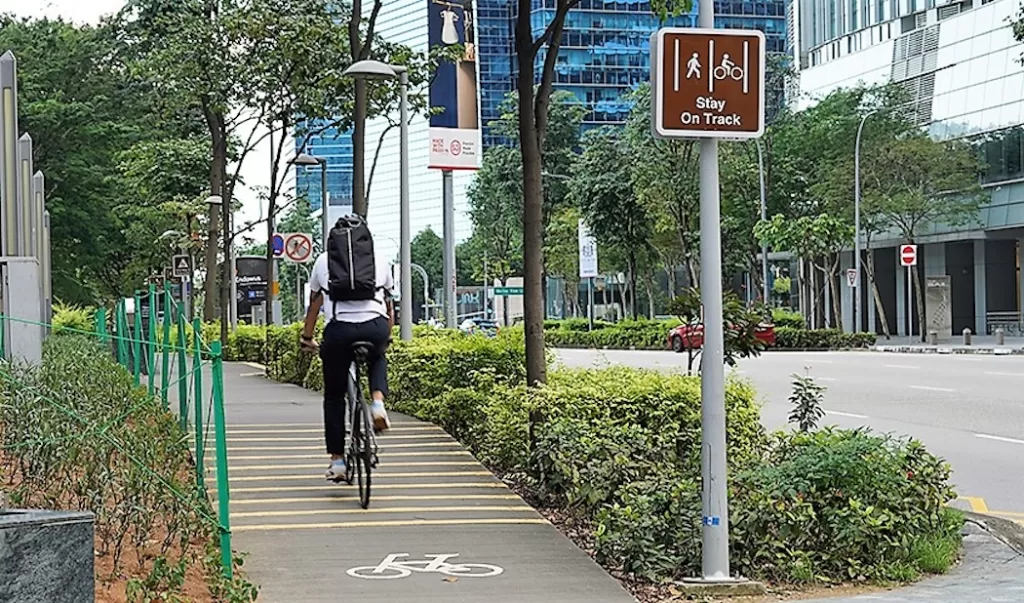
- Singapore: Known for its meticulous urban planning, Singapore has developed a robust network of cycling paths and is actively promoting cycling as a green mode of transport.
-
- Hong Kong: Hong Kong’s dense urban environment presents challenges for cycling infrastructure development. However, the government is gradually expanding bike lanes and improving connectivity in new towns and outer districts.
-
- Taipei, Taiwan: Taipei is making strides with its YouBike bike-sharing system and an expanding network of dedicated bike lanes, making cycling a more attractive option for commuters.
-
- Jakarta, Indonesia: Jakarta has introduced bike lanes and a bike-sharing program, but traffic congestion and pollution remain significant barriers to widespread cycling adoption.
-
- Seoul, South Korea: Seoul has a well-developed cycling infrastructure, including dedicated bike lanes and extensive bike-sharing programs. The city’s commitment to promoting cycling has made it one of the more bike-friendly cities in Asia.
Challenges in Infrastructure Development
-
- Space Constraints: Many Asian cities are densely populated, with limited space for expanding roads and adding bike lanes.
-
- Maintenance: In some areas, existing bike lanes suffer from poor maintenance, leading to safety hazards such as potholes and debris.
Safety and Traffic Conditions
Safety Concerns
Safety is a big concern for potential cyclists. The chaotic traffic in some Asian cities can be intimidating and dangerous for cycling.
-
- Bangkok, Thailand: High traffic volumes and aggressive driving habits can deter cyclists. The lack of dedicated bike lanes forces cyclists to share the road with motor vehicles, increasing the risk of accidents.
-
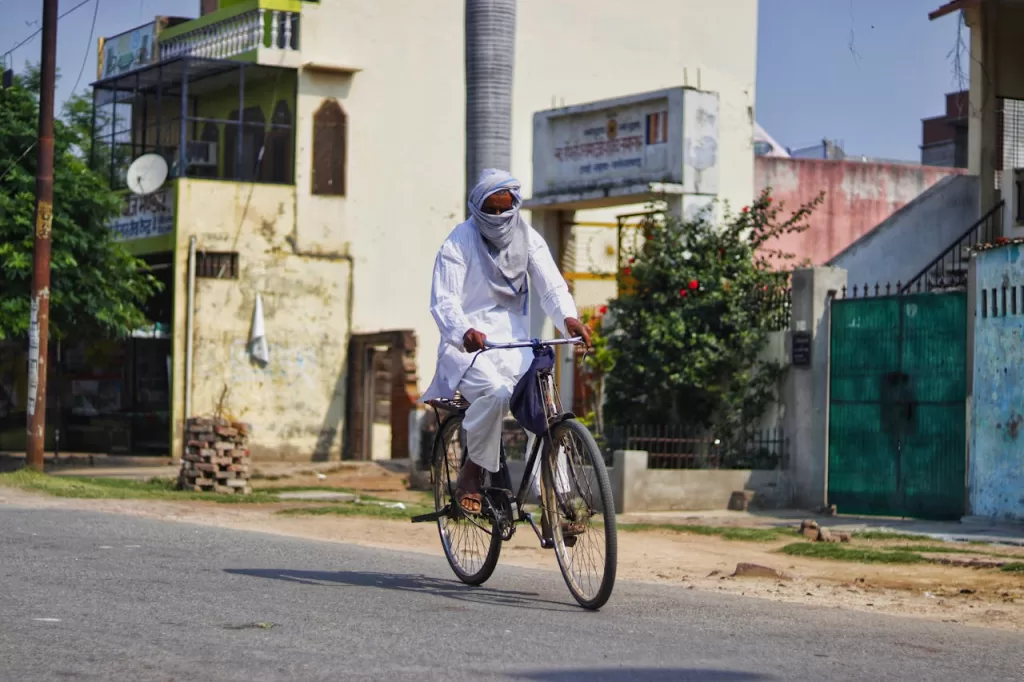
- Delhi, India: Similar to Bangkok, Delhi faces challenges with high traffic volumes and mixed traffic, making cycling risky. However, some initiatives are being taken to improve safety and promote cycling.
-
- Manila, Philippines: Manila’s traffic congestion and lack of cycling infrastructure make it difficult for cyclists. Efforts are being made to introduce bike lanes and bike-sharing programs to improve the situation.
Government Initiatives
Several governments in Asia are taking steps to improve cycling safety:
-
- Education and Awareness: Initiatives to educate both cyclists and drivers on road-sharing etiquette are being implemented.
-
- Safety Gear Regulations: Mandating the use of helmets and reflective gear can enhance cyclist safety.
Environmental and Climatic Factors
Weather Conditions
The climate plays a significant role in the practicality of cycling. Hot and humid weather, common in many Asian countries, can make cycling very uncomfortable.
-
- Tropical Climates: Countries like Thailand and Malaysia experience high temperatures and humidity, which can be challenging for cyclists.
-
- Monsoon Seasons: Heavy rains during monsoon seasons can deter cycling, as roads become slippery and visibility is reduced.
Pollution Levels
Air quality is a concern in several Asian cities. High levels of pollution can pose health risks to cyclists, particularly during peak traffic hours.
-
- Air Quality Improvements: Initiatives to reduce vehicular emissions and improve air quality can make cycling more appealing.
-
- Protective Measures: Cyclists can use masks and choose routes with lower pollution levels to mitigate health risks.
Facilities in Commercial Buildings
Bicycle Parking
Secure and accessible bicycle parking is essential for encouraging cycling to work. Many commercial buildings in Asia are beginning to recognise the need for dedicated bike parking areas.
-
- Indoor Bike Parking: Providing sheltered or indoor bike parking helps protect bicycles from theft and weather damage.
-
- Bike Racks: High-quality bike racks that allow for easy locking and securing of bicycles are crucial.
Shower and Changing Facilities
Commuting by bike, especially in hot and humid climates, can be physically demanding. Providing shower and changing facilities in commercial buildings can significantly enhance the appeal of cycling to work.
-
- Shower Rooms: Dedicated shower rooms allow employees to freshen up after their commute.
-
- Changing Areas and Lockers: Providing secure lockers and changing areas helps cyclists store their gear and change into work attire comfortably.
Bike Repair Stations
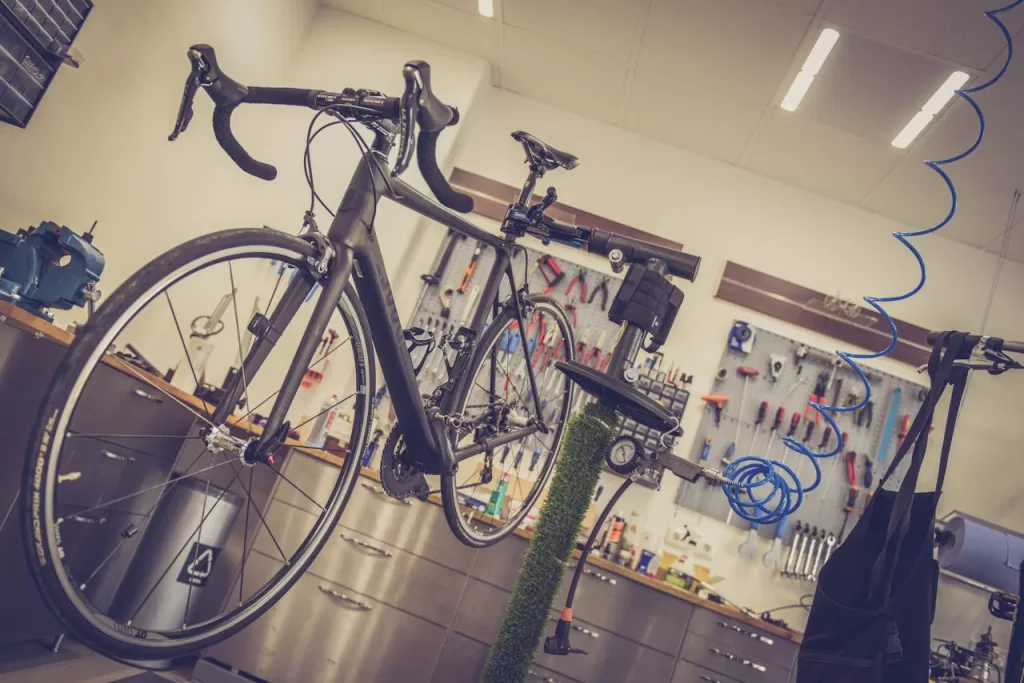
Basic bike repair stations equipped with tools for minor repairs and maintenance can be a valuable addition to commercial buildings.
-
- Repair Stations: Offering tools and space for cyclists to perform minor repairs and adjustments can prevent minor issues from becoming major inconveniences.
What Major Cities Are Doing To Support Cycling
Beijing, China
Beijing has invested significantly in cycling infrastructure, including extensive bike-sharing programs and dedicated bike lanes. The city’s efforts to reduce car usage and promote cycling as a sustainable mode of transport have yielded positive results, with a noticeable increase in the number of cyclists.
Tokyo, Japan
Tokyo is known for its bike-friendly environment, with well-maintained cycling paths and a strong cycling culture. The city’s compact layout and extensive public transport network complement cycling, making it an efficient mode of commuting.
Singapore
Singapore’s comprehensive approach to urban planning includes the development of a robust cycling network. The city-state’s commitment to promoting cycling through infrastructure, safety measures, and public campaigns has made it one of the most bike-friendly cities in Asia.
Bangkok, Thailand
Despite the challenges posed by heavy traffic and limited infrastructure, Bangkok is making strides to become more bike-friendly. Initiatives such as dedicated bike lanes, public bike-sharing programs, and awareness campaigns are helping to promote cycling as a viable commuting option.
Delhi, India
Delhi faces significant challenges with traffic and pollution, but efforts are being made to improve cycling conditions. The city has introduced bike-sharing schemes and is working on expanding cycling infrastructure to encourage more residents to choose cycling over motor vehicles.
Hong Kong
Hong Kong’s government is working on improving cycling infrastructure, particularly in new towns and outer districts. Efforts include expanding bike lanes and improving connectivity, which makes cycling a more feasible option for residents.
Taipei, Taiwan
Taipei’s YouBike system and the expanding network of bike lanes have made cycling a popular mode of transportation. The city’s efforts to integrate cycling with public transportation have been particularly successful.
Kuala Lumpur, Malaysia
Kuala Lumpur faces challenges with traffic congestion and limited cycling infrastructure. However, initiatives such as dedicated bike lanes and bike-sharing programs are being introduced to promote cycling as an alternative mode of transportation.
Manila, Philippines
Manila’s traffic congestion and lack of cycling infrastructure present significant challenges. However, the city is working on introducing bike lanes and bike-sharing programs to improve conditions for cyclists.
Jakarta, Indonesia
Jakarta has introduced bike lanes and a bike-sharing program, but traffic congestion and pollution remain significant barriers to widespread cycling adoption. Continued efforts are needed to expand infrastructure and improve safety.
Seoul, South Korea
Seoul has a well-developed cycling infrastructure, including dedicated bike lanes and extensive bike-sharing programs. The city’s commitment to promoting cycling has made it one of the more bike-friendly cities in Asia.
In Summary
Commuting by bike in Asia presents both opportunities and challenges. While the potential benefits of cycling—such as reduced traffic congestion, lower emissions, and improved public health—are substantial, the practicality of cycling varies significantly across the region.
Factors such as infrastructure development, safety, cultural attitudes, and environmental conditions all play a crucial role in determining the feasibility of biking as a primary mode of transportation.
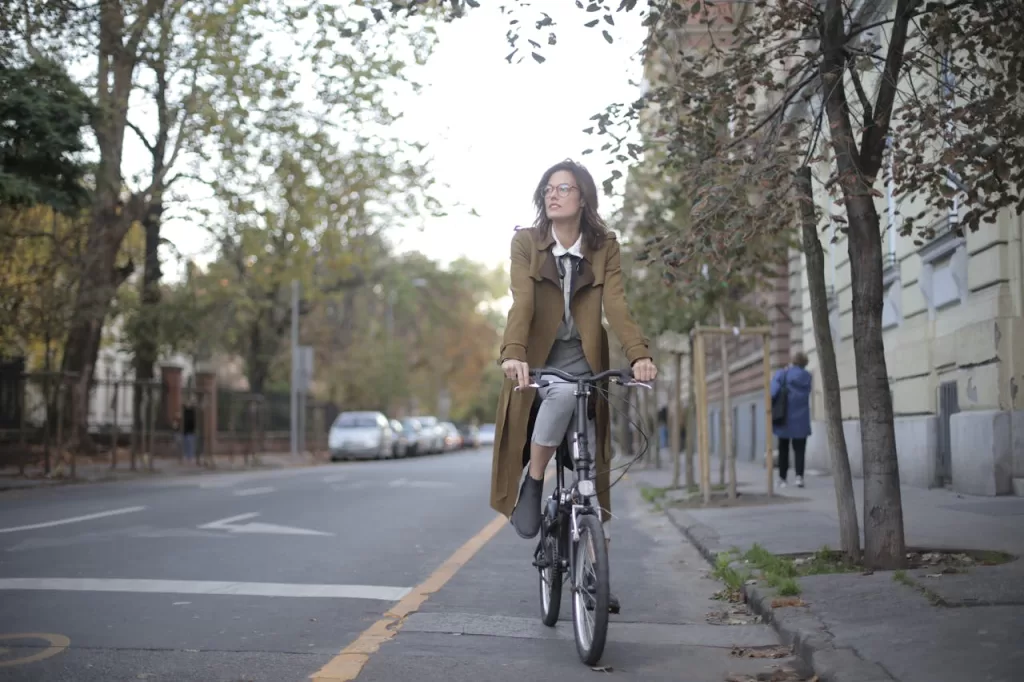
For cycling to become a practical and widespread commuting option in Asia, concerted efforts are needed from governments, businesses, and communities to address the existing challenges.
By investing in infrastructure, promoting safety, and providing essential facilities in commercial buildings, certain Asian cities could potentially create environments where commuting by bike is not only practical but also a preferred choice.