![The [RE]Search Co.](https://re-search.co/wp-content/uploads/2025/02/The-RE-Search-Co-Orange_Grey-png-350x51.avif)
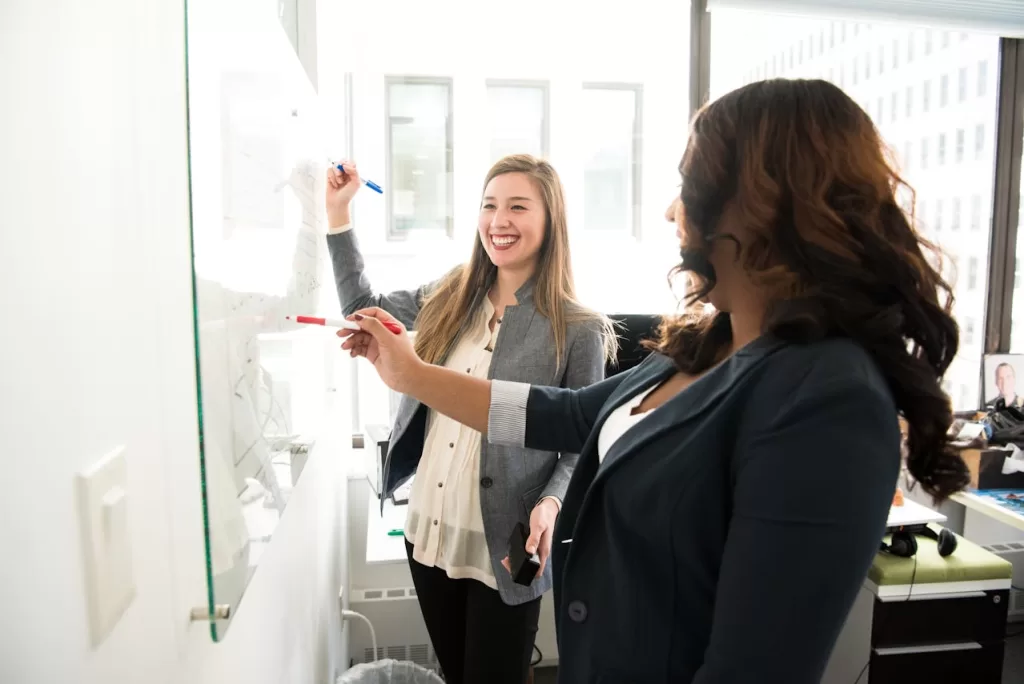
The hybrid office model has gained significant traction and balancing remote and in-office work has become essential in the pursuit of productivity, collaboration, and employee satisfaction.
This article explores how to design the perfect hybrid office, considering factors such as flexibility, technology integration, and employee well-being.
Introduction
The COVID-19 pandemic transformed the way we work, leading to a widespread adoption of hybrid work models. As businesses navigate this new landscape, designing an effective hybrid office is crucial. A well-designed hybrid office not only supports flexibility but also enhances productivity and employee satisfaction. Here we discuss key strategies and considerations for creating the perfect hybrid office.
Understanding the Hybrid Work Model
Before diving into office design, it is important to understand what a hybrid work model entails. A hybrid work model combines remote work and in-office work, allowing employees to split their time between home and the office. This model offers flexibility and can cater to different work styles and preferences. Successful implementation of a hybrid work model requires a well-thought-out office design that accommodates both remote and in-office workers.
1. Flexibility in Office Layout
Open and Private Spaces
The hybrid office should offer a mix of open and private spaces to cater to different work needs. Open spaces encourage collaboration and communication, while private spaces provide quiet areas for focused work. Flexible furniture solutions, such as movable desks and partitions, can help create a dynamic environment that adapts to changing needs.

Hot Desking and Reservation Systems
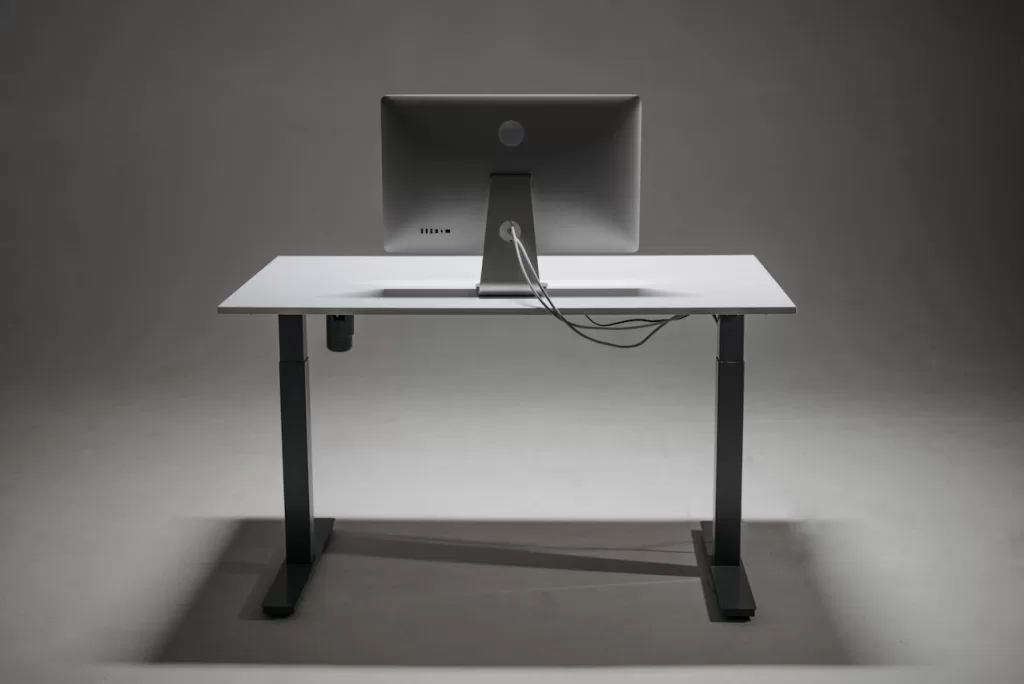
Hot desking allows employees to choose their workspace based on their tasks for the day. Implementing a desk reservation system can help manage the use of office space efficiently. This system enables employees to book desks in advance, ensuring they have a designated workspace when they come into the office.
2. Technology Integration
Seamless Connectivity
In a hybrid office, seamless connectivity is essential. High-speed internet, robust Wi-Fi, and reliable communication tools are critical for supporting remote and in-office work. Investing in advanced technology solutions ensures that employees can collaborate effectively, regardless of their location.
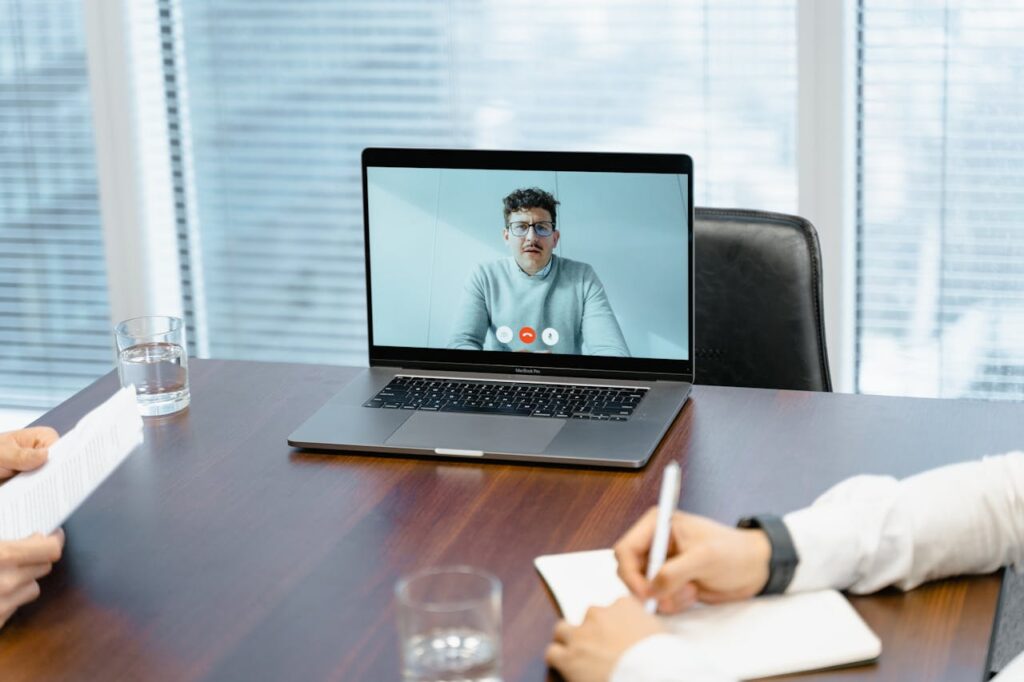
Video Conferencing and Collaboration Tools
Video conferencing and collaboration tools are indispensable in a hybrid work environment. Equipping meeting rooms with state-of-the-art video conferencing technology facilitates virtual meetings and ensures that remote employees can participate fully. Tools like Microsoft Teams, Slack, and Zoom enable real-time communication and collaboration, bridging the gap between remote and in-office workers.
3. Employee Well-Being
Ergonomic Furniture
Employee well-being should be a top priority when designing a hybrid office. Ergonomic furniture, such as adjustable chairs and desks, supports good posture and reduces the risk of musculoskeletal issues. Providing comfortable and supportive furniture helps employees stay healthy and productive.
Wellness Rooms and Break Areas
Incorporating wellness rooms and break areas into the office design promotes employee well-being. These spaces provide a place for employees to relax and recharge, helping to reduce stress and improve overall job satisfaction. Wellness rooms can be equipped with amenities like yoga mats, meditation cushions, and even quiet zones for napping.
4. Sustainable Design
Energy-Efficient Solutions
Sustainability is an important consideration in modern office design. Implementing energy-efficient solutions, such as LED lighting and smart thermostats, can reduce the environmental impact of the office. These solutions also contribute to cost savings on energy bills.
Use of Recycled Materials
Using recycled and sustainable materials in office design can further enhance the environmental credentials of the hybrid office. Furniture made from recycled materials, eco-friendly flooring options, and low-VOC paints are examples of sustainable design choices that can make a positive impact.
5. Creating a Sense of Community
Social Spaces
Social spaces play a crucial role in fostering a sense of community in a hybrid office. Common areas, such as lounges and communal kitchens, provide opportunities for employees to socialise and build relationships. These spaces help create a cohesive company culture, even in a hybrid work model.

Regular In-Office Events
Organising regular in-office events, such as team-building activities and social gatherings, can help maintain a strong sense of community. These events encourage interaction and collaboration among employees, reinforcing the company’s values and culture.
In Summary
Designing the perfect hybrid office requires a thoughtful approach that balances flexibility, technology integration, employee well-being, sustainability, and a sense of community. By considering these factors, businesses can create a hybrid work environment that supports productivity, collaboration, and employee satisfaction.
The transition to a hybrid work model presents an opportunity to rethink and redesign office spaces. Adopting innovative design strategies and investing in the right technology can help businesses create a hybrid office that meets the needs of today’s workforce. As the world of work continues to evolve, the hybrid office will play a key role in shaping the future of work.