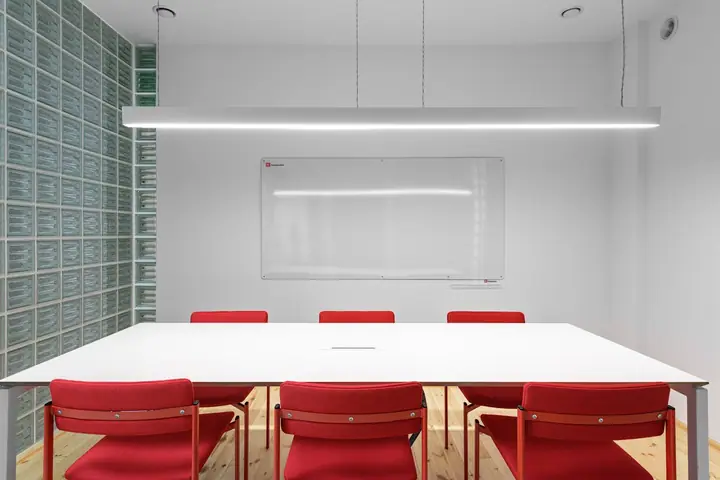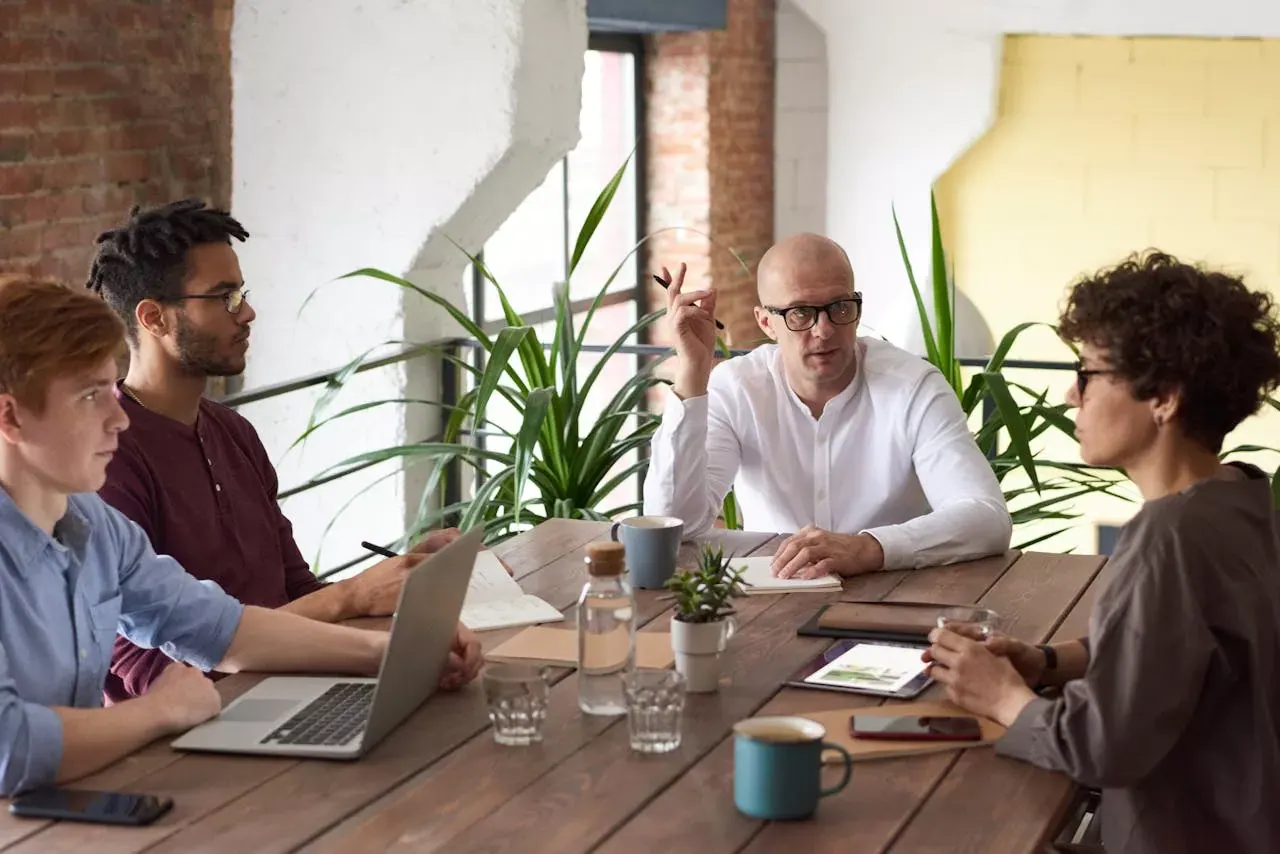
In the wake of the COVID-19 pandemic, hybrid work has transitioned from a niche concept to a mainstream reality, fundamentally altering how organisations operate. This shift is particularly pronounced in Asia, where traditional office culture is being reimagined to accommodate flexible working arrangements.
Designing an office for hybrid work in this context requires a careful balance of global best practices and regional specificities.
The Hybrid Work Evolution
Hybrid work, which combines remote and in-office work, is not a new concept. However, the pandemic forced organisations worldwide to adopt remote working on an unprecedented scale.
As restrictions eased, a hybrid model emerged as the preferred solution, blending the benefits of both approaches. In Asia, where office culture often emphasised physical presence, this transition posed unique challenges and opportunities.
Pitfalls of Hybrid Policies
Implementing hybrid work policies is not without its challenges. Organisations must navigate potential pitfalls to ensure a seamless experience for employees.
1. Communication Breakdown: Hybrid work can lead to communication silos, where remote employees feel disconnected from their in-office counterparts. Effective communication tools and strategies are essential to bridge this gap.
2. Unequal Opportunities: There is a risk of creating a divide between remote and in-office employees. Those working remotely might feel overlooked for promotions or critical projects. Clear policies and equitable access to opportunities are crucial.
3. Cultural Dilution: Maintaining a strong organisational culture in a hybrid environment can be difficult. Regular team-building activities and fostering a sense of community are vital to preserving company culture.
4. Management Challenges: Supervising a hybrid workforce requires new management skills. Leaders must be adept at managing teams both in-person and remotely, ensuring productivity and engagement.
Thoughtful Workplace Design
Designing an office for hybrid work goes beyond aesthetics; it involves creating a space that supports diverse working styles and promotes collaboration and well-being.
1. Flexible Workspaces: Adaptable workspaces are key. Hot desking, modular furniture, and multi-purpose areas allow employees to choose their preferred working environment. For instance, Unilever’s offices in Singapore feature various work settings, from quiet zones to collaborative hubs, catering to different needs.
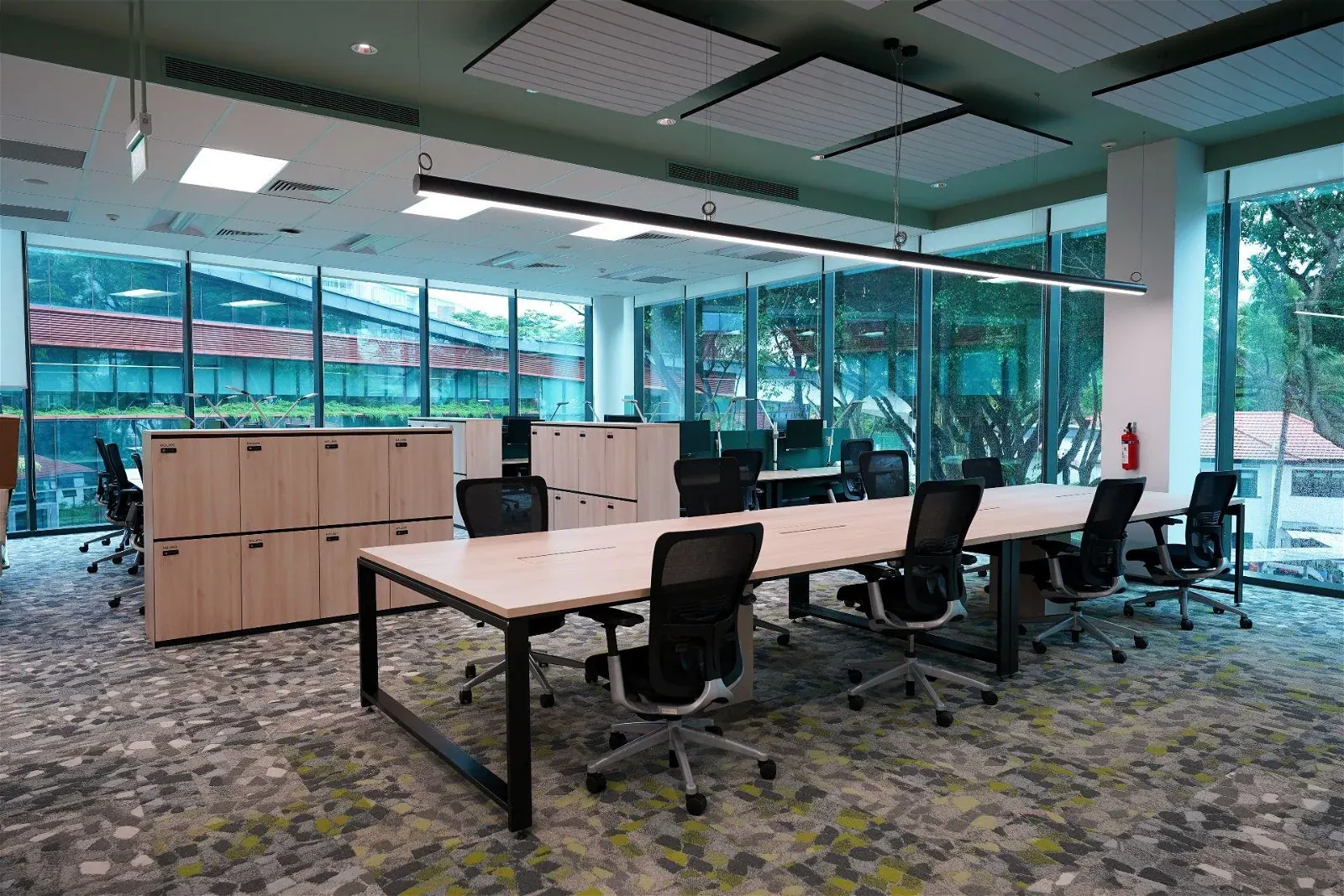
2. Technology Integration: Seamless technology integration is essential. High-speed internet, video conferencing facilities, and collaborative software ensure that remote and in-office employees can work together effortlessly. The Shanghai office of PwC is a prime example, equipped with state-of-the-art technology to support hybrid work.
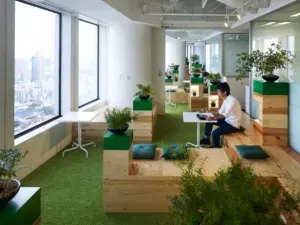
3. Well-being Focus: Prioritising employee well-being is critical. Incorporating elements of biophilia, such as indoor plants and natural light, can enhance mental health and productivity. The biophilic design of the Google office in Tokyo, with its abundant greenery and open spaces, demonstrates how nature can be integrated into the workplace.
4. Collaborative Spaces: Hybrid work necessitates spaces that encourage collaboration. Informal meeting areas, brainstorming zones, and social spaces facilitate spontaneous interactions and idea-sharing. The Samsung HQ in Seoul has numerous collaborative areas designed to foster innovation and teamwork.
Innovative Changes on the Horizon
The hybrid work model is still evolving, and the future promises further innovations in office design and work practices.
1. Smart Offices: The rise of smart offices, equipped with IoT devices and AI, will revolutionise the workplace. These technologies can personalise workspaces, optimise resource use, and enhance the overall employee experience. In Tokyo, Fujitsu’s smart office integrates AI to adjust lighting and temperature based on occupancy and individual preferences.
2. Sustainability: As environmental concerns become more prominent, sustainable office designs will gain traction. Energy-efficient buildings, recycling programmes, and green certifications will become standard. The Pasona Group’s urban farm office in Tokyo, which grows its own food and reduces carbon footprint, is a model of sustainability.
3. Health and Safety: Post-pandemic, health and safety will remain a priority. Touchless technologies, improved air filtration systems, and enhanced cleaning protocols will be integral to office design. The new Microsoft Asia headquarters in Singapore incorporates advanced health and safety measures to protect employees.
4. Remote Collaboration Tools: The development of advanced remote collaboration tools will continue. Virtual reality (VR) and augmented reality (AR) could create immersive meeting experiences, bridging the gap between remote and in-person interactions. Companies like HTC, with its Vive VR system, are already exploring such possibilities.
5. Decentralised Workspaces: The concept of decentralised workspaces, where companies maintain multiple smaller offices or co-working spaces across cities, will become more prevalent. This approach reduces commute times and provides employees with more flexible work options. WeWork’s expansion in Asian cities reflects this trend, offering numerous locations for flexible working.
Designing an office for hybrid work in Asia requires a thoughtful approach that addresses the unique challenges and leverages the opportunities presented by this new work model. By focusing on flexible workspaces, integrating advanced technology, prioritising well-being, and fostering collaboration, organisations can create environments that support hybrid work effectively.

Andy Willett
Founder of re-search, writing on leadership, sales and the workplace industry across Asia Pacific.