![The [RE]Search Co.](https://re-search.co/wp-content/uploads/2025/02/The-RE-Search-Co-Orange_Grey-png-350x51.avif)
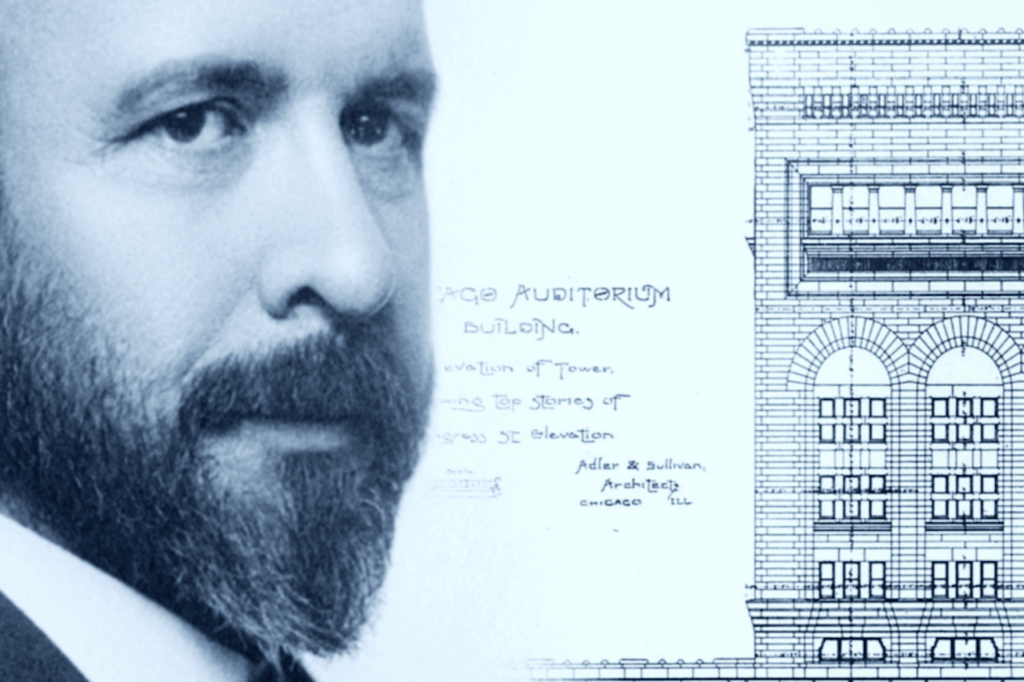
The maxim “Form Follows Function,” first articulated by the American architect Louis Sullivan in the late 19th century, has been a cornerstone of modernist design philosophy. It posits that the shape of a building or object should be primarily determined by its intended function, with aesthetics taking a back seat.
While this principle was revolutionary in its time, its application in contemporary commercial interiors invites debate. Does this concept still hold water in a world where brand identity, employee well-being, and customer experience are just as crucial as functionality?
The following considers the relevance of “Form Follows Function” in the context of commercial interior design, exploring how it has evolved and how it applies today.
The Origins
Understanding the origins of “Form Follows Function” helps contextualise its application in commercial design. Louis Sullivan, often referred to as the “father of skyscrapers,” introduced this principle over 100 years ago during an era when architecture was undergoing a transformation.
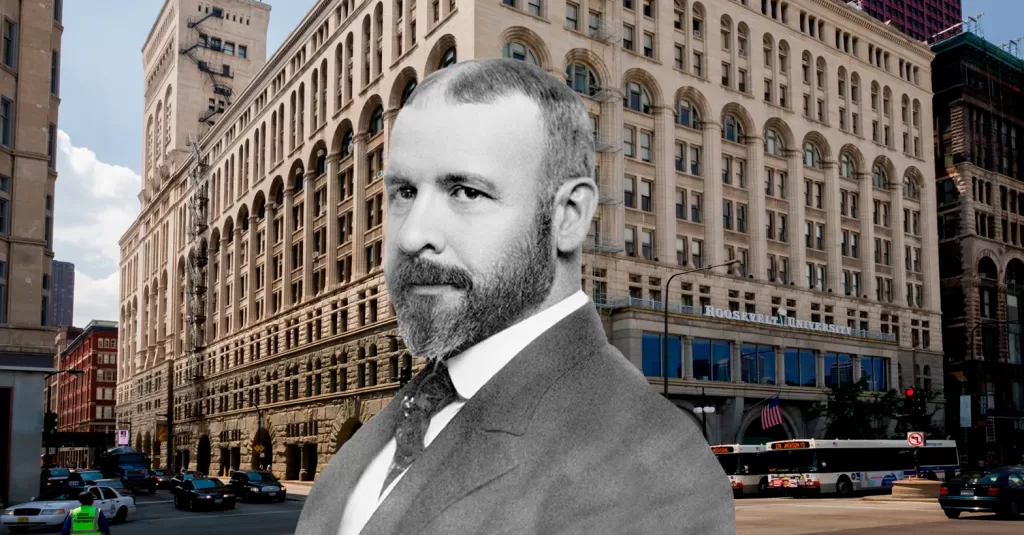
The Industrial Revolution had brought about new building technologies, such as steel framing, which allowed for the creation of taller, more functional buildings. Sullivan’s philosophy was a response to the overly ornate and decorative styles of the Victorian era, advocating instead for designs that were honest, straightforward, and functional.
In architecture, this meant that a building’s design should reflect its purpose. For instance, a bank should appear solid and trustworthy, while a factory should be designed for efficiency and productivity. The idea was that form, or the appearance of the building, should naturally follow its function, without the need for unnecessary embellishments.
Applying to Commercial Interior Design
In the realm of commercial interior design, “Form Follows Function” suggests that the layout, furniture, and decor of a space should be driven by the needs of the business and its users. A well-designed office, for example, must provide practical solutions such as ergonomic workstations, adequate lighting, and effective noise management.
Similarly, a retail space should be arranged to guide customers smoothly through the store, maximising product visibility and encouraging purchases.
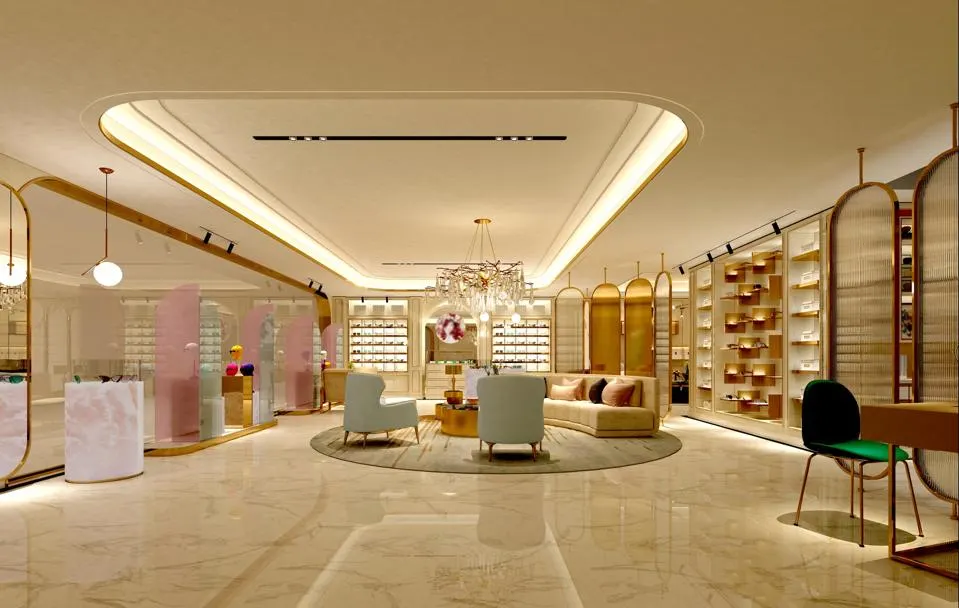
However, commercial interiors are not just about functionality; they also need to convey a company’s brand identity, create a positive experience for customers, and foster a productive environment for employees. This is where the balance between form and function becomes critical.
The Importance of Aesthetics in Commercial Design
While functionality remains a key consideration, the aesthetic aspect of commercial interior design has gained increasing importance. In today’s competitive business environment, companies are keenly aware that the design of their physical spaces can significantly impact their brand image, customer experience, and even employee morale.
For instance, in the retail sector, the design of a store is crucial to attracting and retaining customers. A space that is visually appealing, well-lit, and thoughtfully laid out can create an inviting atmosphere that encourages customers to linger and explore. The use of high-quality materials, striking colour schemes, and unique design elements can differentiate a brand from its competitors and leave a lasting impression on visitors.
Similarly, in office design, aesthetics play a crucial role in shaping the work environment. An attractive, well-designed office can enhance employee satisfaction, boost creativity, and improve overall productivity.
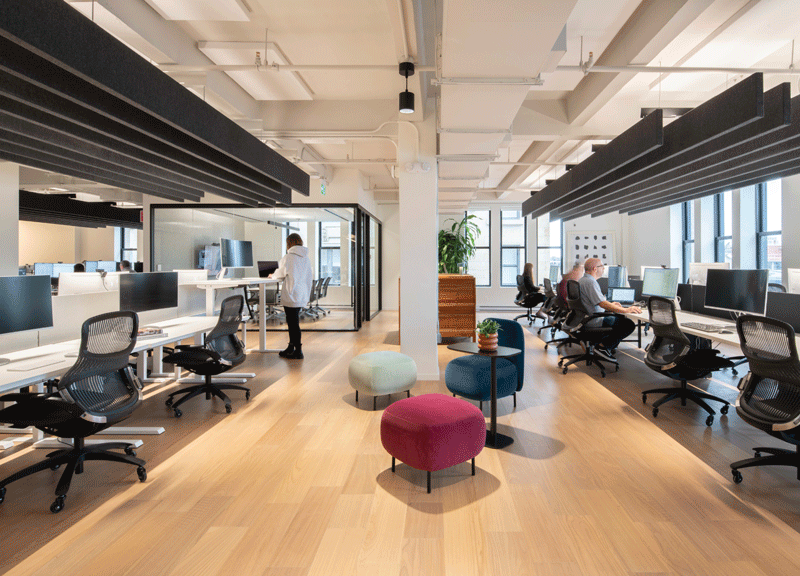
Biophilic design, which incorporates natural elements like plants, water features, and natural light, has been shown to reduce stress, improve concentration, and foster a sense of well-being among employees. Here, the form of the space—its visual and sensory appeal—directly contributes to its function as a productive, healthy workplace.
The Evolving Relationship Between Form and Function
The relationship between form and function in commercial interior design is not static; it has evolved in response to changes in technology, business practices, and cultural expectations.
In the early days of modernist design, function was often prioritised at the expense of form, leading to spaces that were highly practical but sometimes lacking in warmth or personality. Over time, however, the pendulum has swung back towards a more balanced approach, where form and function are seen as complementary rather than opposing forces.
In contemporary commercial design, the most successful spaces are those that integrate form and function seamlessly. For example, modern office designs often incorporate open-plan layouts that promote collaboration while using furniture and partitions to create a sense of privacy when needed.
In retail environments, the strategic use of lighting, colours, and materials can guide customer behaviour and enhance the shopping experience, all while supporting the practical needs of the business.
Case Studies: Balancing Form and Function
1. Google’s Offices
Google’s offices around the world are often cited as prime examples of how form and function can be harmonised in commercial interior design. Google’s workspaces are designed to be highly functional, with open areas that encourage collaboration, quiet zones for focused work, and various amenities to support employee well-being.
However, these spaces are also visually dynamic, with vibrant colours, playful elements, and unique design features that reflect Google’s innovative and creative culture. The result is an environment that not only meets the functional needs of its employees but also inspires and energises them.
2. Apple Stores
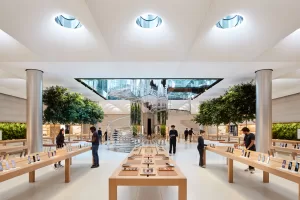
Apple’s retail stores exemplify the integration of form and function in commercial design. The minimalist design of these stores, characterised by clean lines, open spaces, and a restrained colour palette, is highly functional in terms of product display and customer flow.
At the same time, the aesthetic choices reinforce Apple’s brand identity, conveying simplicity, elegance, and innovation. The stores are designed to be intuitive and user-friendly, with the form of the space enhancing the function of showcasing Apple’s products.
3. The Ace Hotel
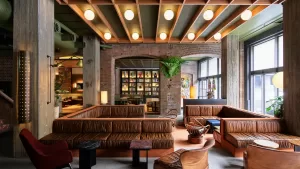
The Ace Hotel chain demonstrates how commercial interior design can balance form and function in the hospitality industry. Each Ace Hotel is designed to reflect its local context, with interiors that are both functional and deeply connected to the culture and history of the location. The design of these spaces is not just about providing comfortable accommodation but also about creating unique, memorable experiences for guests.
The form of the hotel—the choice of materials, the layout of public spaces, the selection of art and furnishings—supports the function of hospitality while offering guests a sense of place and identity.
The Continued Relevance of “Form Follows Function”
In commercial interior design, “Form Follows Function” remains a guiding principle, but its interpretation has evolved. Today, designers recognise that form and function are not mutually exclusive; rather, they are interdependent aspects of a successful design. A commercial space that is purely functional but lacks aesthetic appeal may fail to engage users, while a space that prioritises form over function may look beautiful but be impractical.
The best commercial interiors are those that achieve a balance between these two elements, creating spaces that are not only efficient and practical but also visually appealing, emotionally engaging, and reflective of the brand’s identity.
As businesses continue to evolve and the expectations of employees and customers rise, the challenge for interior designers will be to continue finding innovative ways to integrate form and function, ensuring that both are given their due in the design process.
In the end, while the principle of “Form Follows Function” still rings true, it is the nuanced interplay between the two that defines the most successful commercial interior designs of today.