![The [RE]Search Co.](https://re-search.co/wp-content/uploads/2025/02/The-RE-Search-Co-Orange_Grey-png-350x51.avif)
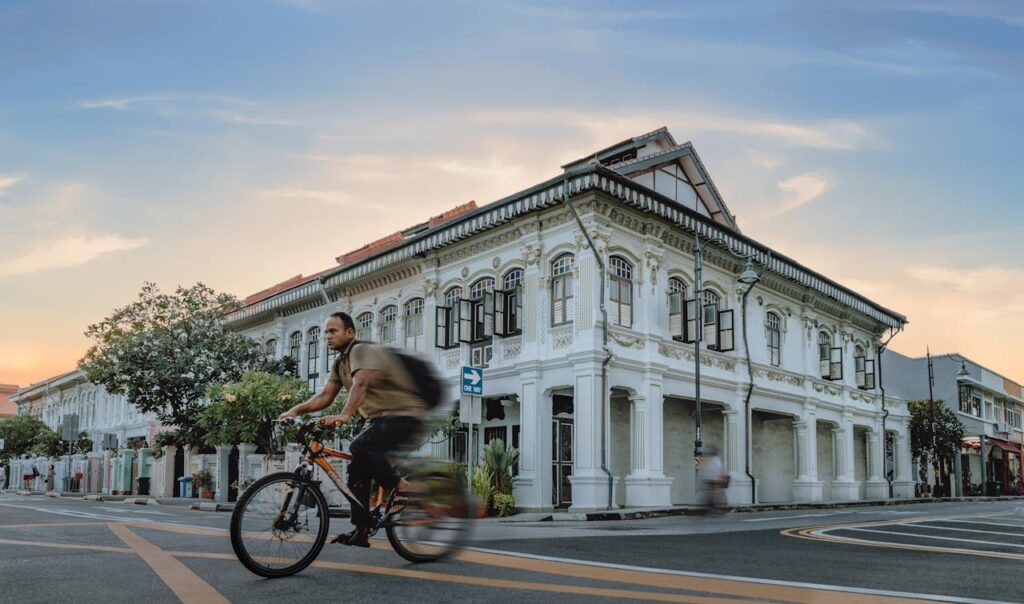
The allure of heritage shophouses in Singapore and Malaysia as office spaces persists, drawing businesses seeking a blend of tradition and practicality. In this article, we’ll briefly explore whether these historic buildings remain a popular and practical choice within a Corporate Real Estate portfolio, weighing the benefits but also challenges they present to modern day businesses.
Pros of Choosing Heritage Shophouses for Offices:
1. Distinctive Charm:
Heritage shophouses have a unique charm that sets them apart from modern office buildings. Their timeless architectural features and rich history lend a sense of character and authenticity to the workspace, creating a memorable environment for employees and visitors alike.
2. Central Location:
Many heritage shophouses are strategically located in prime areas of Singapore and Malaysia, offering convenient access to transportation networks, amenities, and business districts. This central location enhances the visibility and accessibility of the business, facilitating networking opportunities and customer engagement.
3. Cultural Significance:
Occupying a shophouse carries cultural prestige and significance, aligning the business with the rich history and traditions of the region. Businesses situated in these historic buildings signal a commitment to heritage preservation and community engagement, which can resonate positively with clients and customers.
4. Customization Flexibility:
Despite their historical significance, shophouses can actually offer flexibility for customization to meet modern business needs. Through thoughtful design and renovation, businesses can adapt the space to their requirements while preserving the integrity of the original architecture, fostering a workspace that reflects their identity and culture.
Cons of Choosing Heritage Shophouses for Office Space:
1. Limited Space:
Heritage shophouses often feature smaller floor plans and narrower layouts compared to modern office buildings, which may constrain space for operations and expansion. This limitation can pose challenges for businesses requiring ample room for growth and scalability, necessitating creative space utilization solutions.
2. Maintenance Expenses:
Maintaining a heritage shophouse entails significant costs associated with preserving its historical features and structural integrity. From repairs to conservation efforts, businesses renting shophouse spaces must allocate resources for ongoing maintenance, which can strain budgets over time.
3. Noise and Accessibility Issues:

Some heritage shophouses are located in bustling urban areas, subjecting occupants to noise pollution and limited accessibility. The proximity to busy streets and tourist areas may disrupt productivity and hinder client visits, impacting the overall functionality and appeal of the office space.
Additionally, parking can be challenging, and in many cases, accessibility for the less able may be limited, posing further obstacles for employees and visitors.
4. Regulatory Constraints:
Renting office space in a heritage shophouse is subject to regulatory restrictions aimed at preserving its historical significance. These regulations may limit the scope of renovations and alterations allowed, requiring businesses to navigate complex approval processes and potentially delaying renovation projects.
Exploring the Challenges and Opportunities of Heritage Shophouses:
Despite the cons associated with heritage shophouses, there are opportunities for businesses willing to navigate the challenges. For instance, the limited space can encourage creative and efficient use of resources, fostering innovation. And the distinctive charm of heritage shophouses can enhance brand identity and differentiation, setting businesses apart in competitive markets.
Businesses can also leverage the cultural significance of heritage shophouses to strengthen community ties and engage with local stakeholders. By promoting heritage preservation and supporting cultural initiatives, businesses can build goodwill.
Advancements in technology and sustainable design practices offer opportunities to mitigate some of the drawbacks of heritage shophouses. Innovative solutions such as energy-efficient lighting, smart ventilation systems, and flexible workspace configurations can enhance the comfort and functionality of heritage shophouse offices while reducing environmental impact and operating costs.
 While heritage shophouses both in Singapore and Malaysia offer a unique blend of charm, culture, and central location, they can also present challenges such as limited space, maintenance costs, noise, parking limitations, and accessibility issues. However, with careful planning, creativity, and strategic decision-making, it’s certainly possible to overcome these challenges and unlock the full potential that heritage shophouse offer.
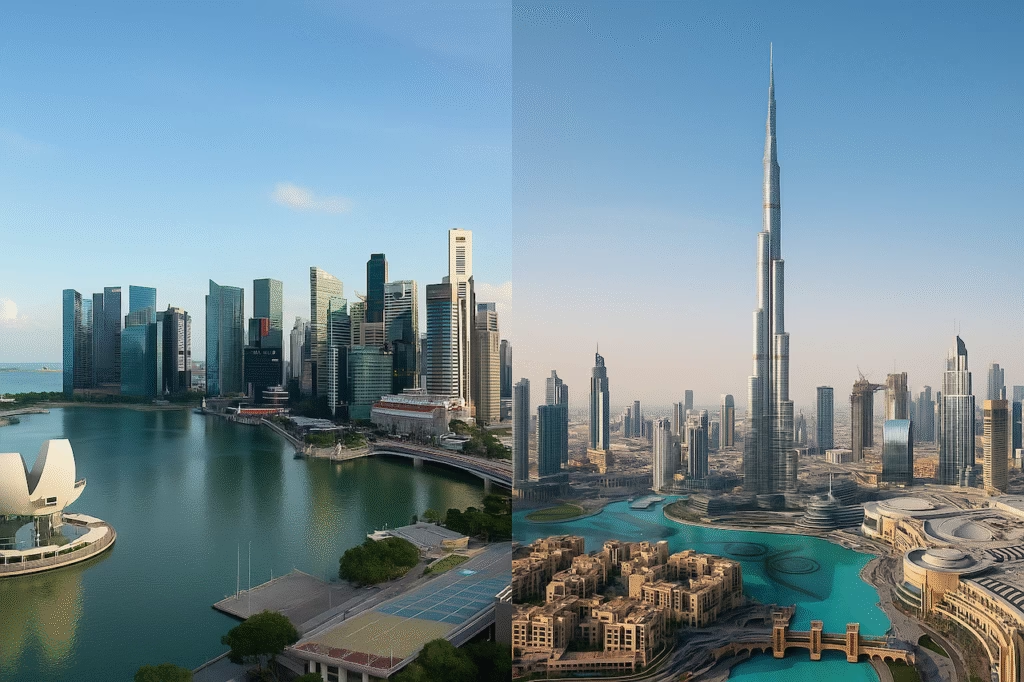
By leveraging the distinctive character and historical significance, businesses can create inspiring workspaces that will potentially promote creativity and collaboration. Ultimately, the decision to choose a shophouse over a modern office tower for office space depends on the unique needs, objectives, and values of the business.
It’s highly likely that the shophouse will continue to be a popular and perhaps even a practical corporate real estate option in Singapore and Malaysia well into the future.