![The [RE]Search Co.](https://re-search.co/wp-content/uploads/2025/02/The-RE-Search-Co-Orange_Grey-png-350x51.avif)

I have enjoyed many business trips to India over the last 20 years and have witnessed the landscape of Global Capability Centers (GCCs) undergo a significant transformation.
Originally established as cost-efficient support hubs for global companies, GCC facilities are now evolving into sophisticated centers of innovation and excellence. This shift not only reflects the changing role of GCCs in global business but also underscores the importance of planning, design, and build sophistication to meet the evolving needs of the workforce.
The Evolution of GCC Facilities
In their early days, GCC facilities were primarily driven by the need for cost efficiency and operational effectiveness. The focus was on creating functional spaces that could accommodate large teams and support the delivery of essential services such as IT, finance, and accounting. Architectural design and construction were often straightforward, with minimal emphasis on aesthetics or employee experience.
As the role of GCCs has evolved, so too have the priorities in facility planning, design, and construction. Today’s GCCs are no longer just support centers; they are centers of innovation, collaboration, and talent development. The workforce has become more sophisticated and selective, demanding work environments that inspire creativity, foster collaboration, and promote employee well-being.
The planning process for GCC facilities has become more strategic and inclusive, involving stakeholders from across the organization. Architects and designers work closely with GCC leadership to understand their unique objectives and requirements, designing spaces that align with the company’s culture, values, and business goals. Flexibility and adaptability are key considerations, with spaces designed to support various work styles and activities.
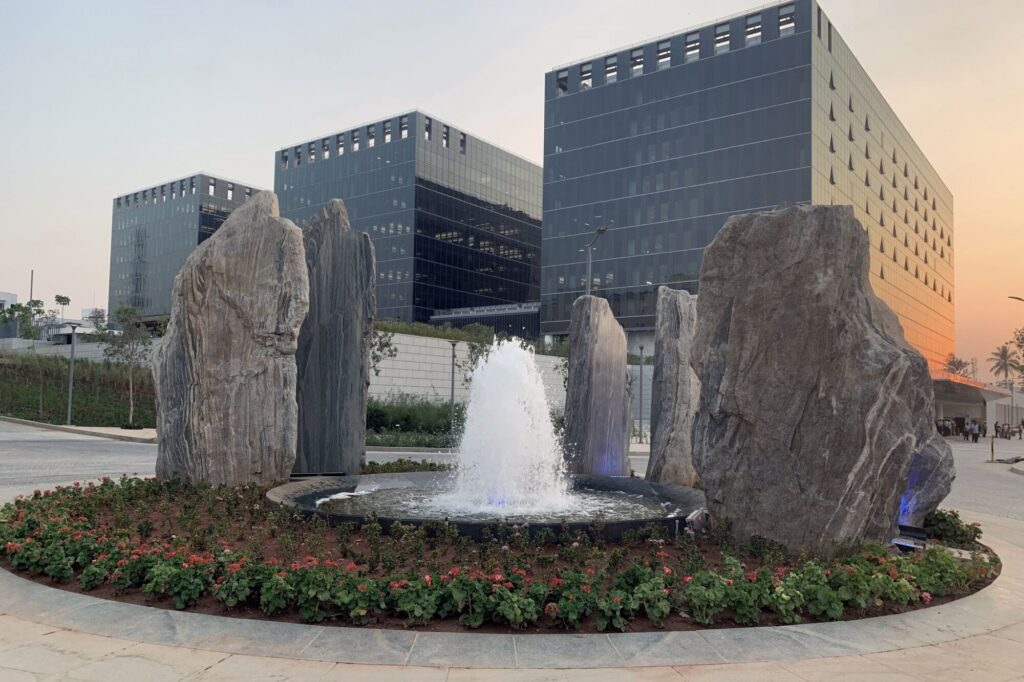
Designing for Collaboration and Creativity
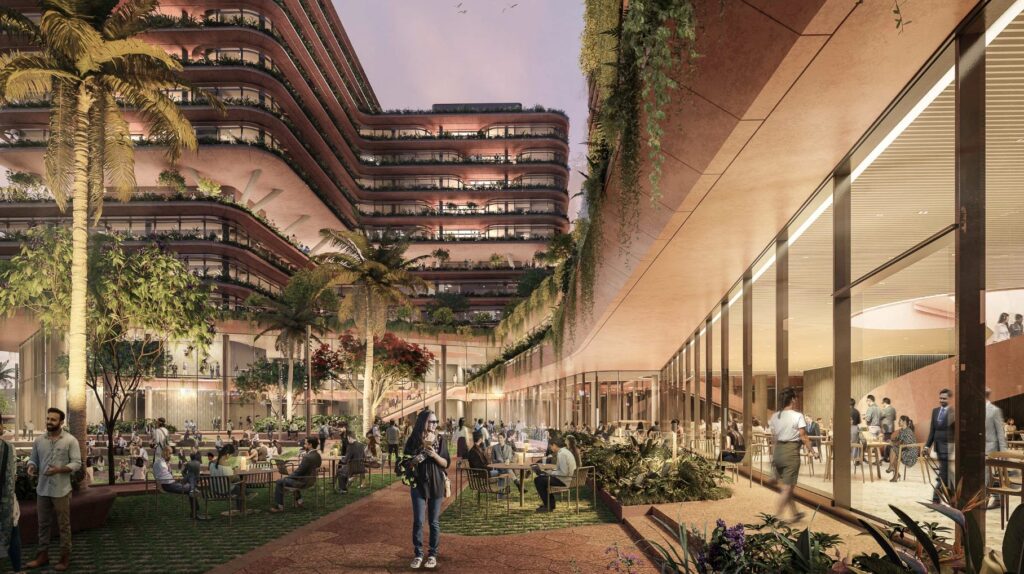
Collaboration is at the heart of modern GCC facilities, with design features that encourage communication, teamwork, and innovation. Open-plan layouts, flexible workspaces, and collaborative zones create opportunities for spontaneous interactions and idea sharing among employees. Design elements such as natural light, green spaces, and ergonomic furniture enhance employee comfort and well-being, fostering a positive and productive work environment.
The construction of GCC facilities has also become more sophisticated to meet the demands of a modern workforce. Sustainable building practices are increasingly incorporated into design and construction processes, with a focus on energy efficiency, resource conservation, and environmental stewardship. Advanced technologies such as smart building systems, biometric access control, and IoT-enabled sensors enhance security, efficiency, and comfort within the facility.
Embracing The Future
As GCCs continue to play a pivotal role in global business, the evolution of their facilities will continue. Future GCC facilities are more likely to incorporate emerging technologies such as augmented reality (AR), virtual reality (VR), and artificial intelligence (AI) to support remote collaboration and immersive experiences.
Additionally, a focus on employee well-being and experience will drive the design of GCC facilities, with amenities such as wellness centers and recreational spaces becoming increasingly the norm. The transformation of GCC facilities from efficiency-driven hubs to sophisticated centers of excellence reflects the changing nature of work and the evolving expectations of the workforce.