![The [RE]Search Co.](https://re-search.co/wp-content/uploads/2025/02/The-RE-Search-Co-Orange_Grey-png-350x51.avif)

The humble office lanyard, once a symbol of professional belonging and security, is at risk.
As workplaces modernise and the demand for seamless and secure identification grows, we must ask: should we finally ditch the lanyard?
We explore the origins and evolution of lanyards, the innovative alternatives that are emerging, and what the future holds for workplace identification.
The History and Evolution of Office Lanyards
The office lanyard has long been a staple in corporate environments, serving multiple roles beyond simple identification. Its history actually dates back to military use, where it was employed to secure essential items like whistles or small weapons.
Over time, lanyards transitioned into the corporate world, evolving into a practical accessory for holding ID badges, keys, and other small items. Their prominence grew alongside the rise of large office complexes and secure workspaces.

Lanyards became more than just a functional item; they also served as a tool for branding and unity within organisations. Customised with company logos, slogans, and colours, lanyards often reinforce corporate identity and foster a sense of belonging among employees.
They are a visible representation of the company’s culture, and in some cases, they even contribute to security protocols by ensuring that only authorised personnel access certain areas.
However, despite their longstanding utility, lanyards are not without flaws. They are susceptible to loss or theft, can be cumbersome to wear, and may not provide the level of security required in today’s tech-driven workplaces. This has led many organisations to explore more modern, secure, and convenient alternatives.
Current Alternatives to Lanyards
With the rise of digital transformation and the increasing importance of workplace security, several alternatives to traditional lanyards have emerged. These alternatives leverage cutting-edge technology to offer enhanced security, improved convenience, and a more streamlined employee experience.
Mobile Access Solutions:
-
- Smartphones as Access Keys: One of the most significant developments in workplace identification is the use of smartphones as access keys. Many companies now enable employees to use their mobile devices to gain entry to buildings and restricted areas. Mobile access apps can store digital access cards, allowing employees to tap their phones at entry points, eliminating the need for physical lanyards.
-
- Remote Access Control: Another advantage of mobile access solutions is the ability to manage access permissions remotely. Managers can grant or revoke access to specific areas via an app, providing flexibility and enhanced security in dynamic work environments.

Biometric Identification:
-
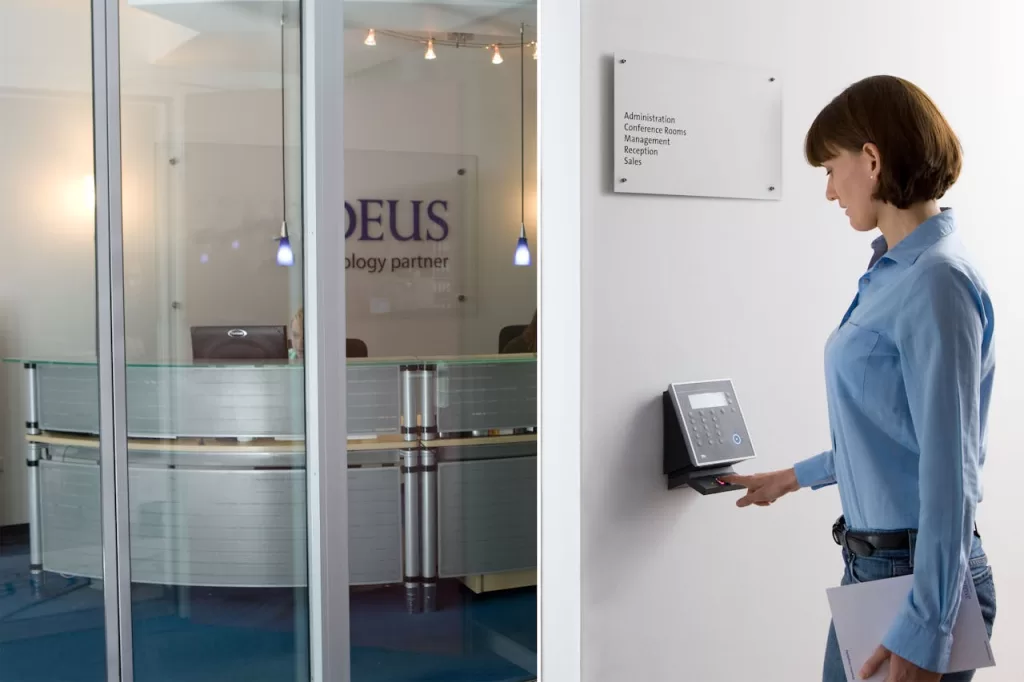
- Fingerprint Scanners: Fingerprint scanning technology has become increasingly prevalent in modern workplaces. It offers a secure and efficient way to verify employee identities, reducing the reliance on physical badges or cards. Fingerprint scanners are often integrated into access points, ensuring that only authorised individuals can enter secure areas.
-
- Facial Recognition: Facial recognition technology is gaining popularity as a hands-free alternative to traditional identification methods. This technology scans an employee’s face and matches it with a stored profile, providing quick and reliable access. Facial recognition is particularly useful in high-security environments, where precise and swift identification is crucial.
-
- Retina Scans: While less common due to higher costs, retina scans offer an even more secure method of identification. Retina scanning is primarily used in sensitive environments such as research laboratories, government facilities, and high-tech industries, where the highest level of security is required.
Smart Cards and Wearables:
-
- NFC-Enabled Smart Cards: Near Field Communication (NFC) technology has enabled the creation of smart cards that communicate with access control systems. These cards provide a more secure and efficient alternative to traditional ID badges, as they require proximity to a reader for access and are less prone to duplication or theft.
-
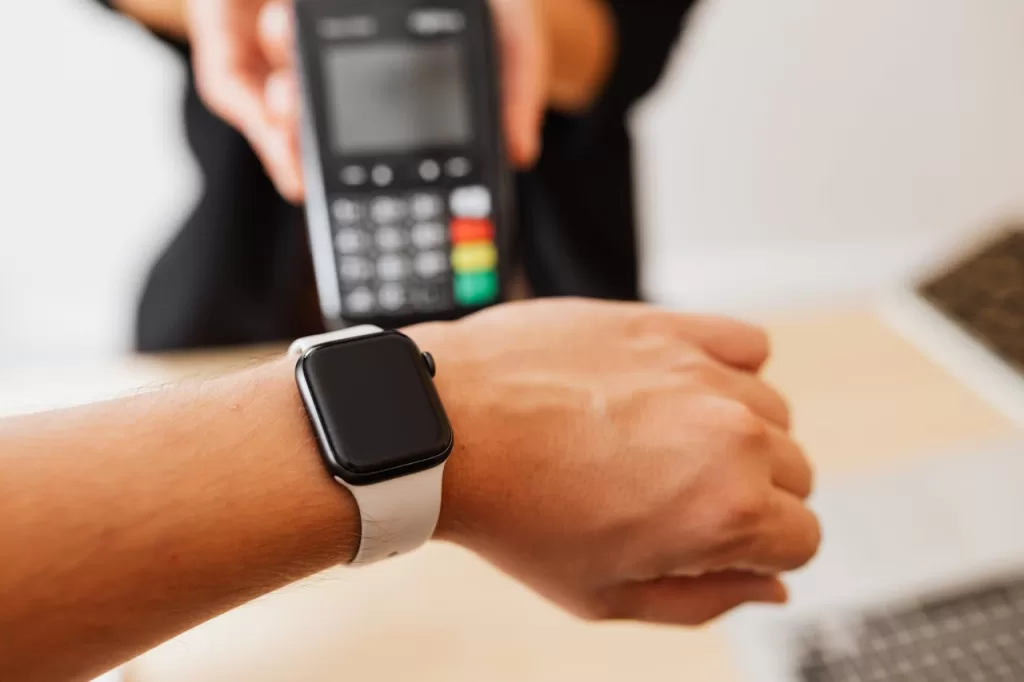
- Wearable Technology: Wearables, such as smartwatches and wristbands, are increasingly being used as a replacement for lanyards. These devices can be equipped with access control features, allowing employees to gain entry to buildings and secure areas with a simple swipe or tap. Wearable technology also offers additional functionalities, such as fitness tracking or contactless payments, making them a versatile tool for the modern workplace.
While these alternatives present clear advantages, they also introduce new challenges that organisations must consider.
The Pros and Cons of Scrapping Lanyards
The shift towards digital identification systems is inevitable, but it is essential to weigh the benefits and drawbacks before making a complete transition away from lanyards.
Pros:
-
- Enhanced Security: Digital and biometric systems offer a higher level of security compared to traditional lanyards. Biometric data, such as fingerprints or facial recognition, is unique to each individual, making it difficult for unauthorised persons to gain access. Mobile access solutions also reduce the risk of lost or stolen badges, as access can be controlled and monitored remotely.
-
- Convenience: Mobile access solutions and wearable technology simplify the process of entering and exiting secure areas. Employees no longer need to carry or wear physical badges, and access can be granted or revoked with just a few taps on a mobile device. This convenience is particularly valuable in large organisations or dynamic work environments where roles and permissions frequently change.
-
- Cost Efficiency: Although the initial investment in digital systems may be significant, they can lead to long-term savings by reducing the need for physical materials, such as lanyards and badges, and minimising the administrative burden of managing access permissions. Additionally, wearables and smartphones serve multiple purposes beyond access control, offering additional value.
Cons:
-
- Privacy Concerns: The use of biometric data raises significant privacy issues. Employees may be concerned about how their data is collected, stored, and used. Companies must implement robust data protection measures and be transparent about their data policies to alleviate these concerns. Privacy laws and regulations, such as GDPR, must also be carefully navigated to ensure compliance.
-
- Dependence on Technology: Digital systems are not without risks. Technical failures, such as software glitches or power outages, could disrupt access control systems, leading to potential security breaches or delays. Cybersecurity threats, such as hacking or data breaches, also pose significant risks, requiring continuous monitoring and updates to safeguard sensitive information.
-
- Cost of Implementation: While cost-efficient in the long run, the initial setup of biometric or digital access systems can be expensive. Smaller companies or organisations with limited budgets may find it challenging to invest in such technology. Additionally, transitioning from traditional lanyards to digital systems may require significant changes to infrastructure, which can be both time-consuming and costly.
Given these factors, the decision to move away from lanyards must be made with careful consideration of the specific needs and resources of the organisation.
Case Studies of Lanyard-Free Offices
Several companies and organisations have already embraced lanyard-free environments, offering valuable insights into the benefits and challenges of this transition.
Google’s Smart Office:
-
- Google is at the forefront of adopting cutting-edge technology in its offices. The company’s smart office systems include mobile access solutions and biometric identification, eliminating the need for traditional lanyards. Employees use their smartphones to enter buildings and access secure areas, while biometric data ensures that only authorised individuals gain entry. This system is fully integrated with Google’s internal network, allowing for seamless updates and changes to access permissions.
- Google is at the forefront of adopting cutting-edge technology in its offices. The company’s smart office systems include mobile access solutions and biometric identification, eliminating the need for traditional lanyards. Employees use their smartphones to enter buildings and access secure areas, while biometric data ensures that only authorised individuals gain entry. This system is fully integrated with Google’s internal network, allowing for seamless updates and changes to access permissions.
Apple’s Biometric Security:
-
- Despite their retail outlets being run b y lanyard-wearing geniuses, Apple’s headquarters, Apple Park, is a lanyard-free environment. The company has implemented biometric security measures, including fingerprint and facial recognition technology, to manage employee access. This approach has significantly reduced the reliance on physical ID badges and lanyards, enhancing security while streamlining the entry process. Apple’s system is designed to be user-friendly, with minimal disruption to daily routines, showcasing the potential for a smooth transition to digital identification.

Startup Incubators and Co-working Spaces:
-
- Many modern co-working spaces and startup incubators have adopted NFC-enabled smart cards and mobile access solutions as part of their flexible and secure work environments. These spaces cater to a diverse and dynamic workforce, where employees and freelancers frequently change roles or locations. By integrating access control with other smart office features, such as room booking systems and visitor management, these spaces offer a cohesive and efficient experience without the need for lanyards.
These case studies demonstrate that while the transition to a lanyard-free workplace can be successful, it requires careful planning, investment in technology, and a focus on employee experience.
The Future of Workplace Identification
So, can we ditch the office lanyard yet? The answer depends on various factors, including the size of the organisation, the nature of its work, and its willingness to embrace new technologies. While traditional lanyards are unlikely to disappear entirely in the immediate future, the trend towards digital and biometric identification is undeniable.
Key Predictions:
Widespread Adoption of Biometric Systems: As biometric technology becomes more affordable and accessible, it is likely to become the standard method of identification in many workplaces. The unique security features of biometric data make it an attractive option for organisations looking to enhance their security protocols.
Increased Integration of Mobile Access Solutions: With smartphones becoming ubiquitous, mobile access solutions will continue to gain traction. The convenience and flexibility offered by mobile access make it a natural replacement for traditional lanyards, especially in organisations that prioritise mobility and remote management.
The Rise of Wearable Technology: As wearable devices become more advanced and multifunctional, they may eventually replace lanyards entirely. Wearables offer a seamless and integrated approach to workplace identification, combining access control with other valuable features, such as health monitoring or contactless payments.
So while the office lanyard still serves a purpose in many workplaces, the future is without a doubt leaning towards more advanced, secure, and convenient identification methods.