![The [RE]Search Co.](https://re-search.co/wp-content/uploads/2025/02/The-RE-Search-Co-Orange_Grey-png-350x51.avif)
In hybrid work environments, where remote and in-office work are both integral parts of business operations, proximity bias has emerged as a significant and often discussed challenge. This bias, the tendency to favour those who are physically closer, can unintentionally marginalise remote workers and create an uneven playing field. To ensure fairness and inclusivity, it’s therefore crucial to design workplaces and work processes that can actively help to mitigate proximity bias.
Understanding Proximity Bias
Proximity bias arises when individuals unconsciously give preferential treatment to those who are physically present. This can manifest in various ways, such as offering more opportunities, recognition, or resources to in-office employees while overlooking their remote counterparts. The implications are far-reaching, potentially affecting career growth, job satisfaction, and overall productivity.
Strategies to Mitigate Proximity Bias
1. Embrace Technology for Equal Participation

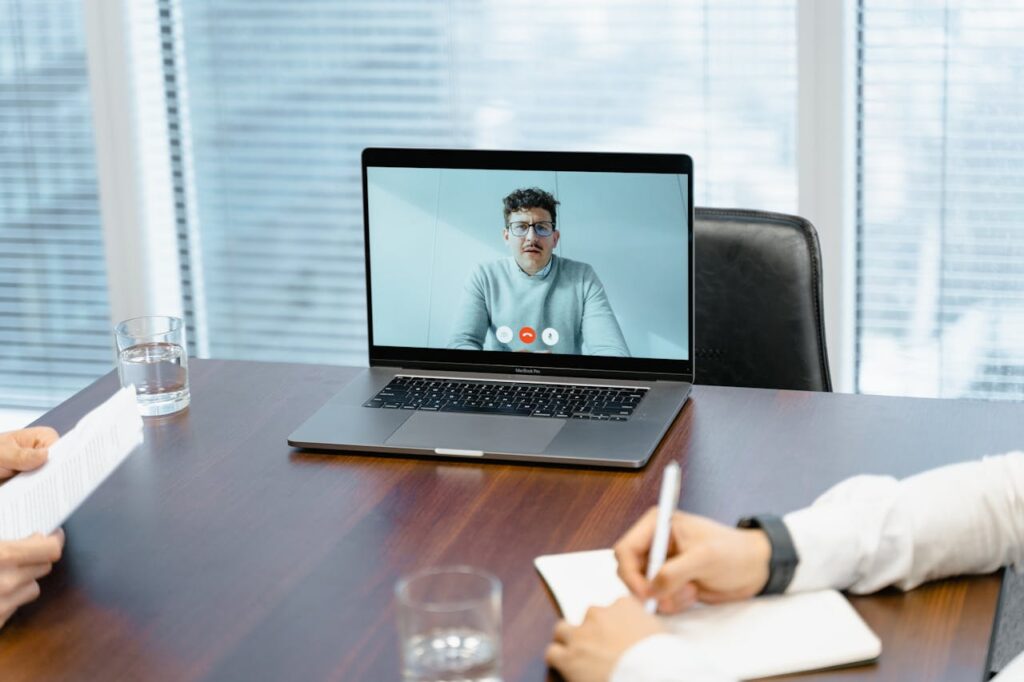
Leveraging technology is essential to ensure remote employees are equally engaged and heard. Tools like video conferencing, collaboration platforms, and project management software can bridge the physical gap. For instance, using video calls for meetings rather than audio-only can make remote employees feel more included and present.
2. Standardize Communication Channels
Establishing standardised communication protocols can help level the playing field. This includes having a clear agenda for meetings, ensuring that all voices are heard, and documenting decisions and discussions. Recording meetings and sharing minutes can help remote workers stay informed and engaged.
3. Promote Inclusive Leadership Practices
Training leaders to recognise and counteract proximity bias is critical. Managers should be encouraged to focus on results rather than physical presence. Regular check-ins with remote team members can ensure they receive equal attention and support. Leaders should also be trained in virtual team management to effectively balance the needs of both in-office and remote employees.
4. Design Equitable Workspaces

The physical layout of the office can influence proximity bias. Creating spaces that encourage collaboration among all employees, regardless of their work location, is vital. For example, incorporating hot-desking policies and collaboration zones can minimise the distinction between remote and in-office staff.
5. Implement Fair Performance Evaluation Systems
Performance evaluations should be based on clear, objective criteria that focus on outcomes rather than physical presence. Using metrics and key performance indicators (KPIs) that emphasise results can help ensure that remote employees are judged fairly. Regular feedback and transparent evaluation processes are essential to maintaining equity.
6. Promote a Culture of Inclusivity
Building an inclusive culture requires ongoing effort. Encourage social interactions and team-building activities that include remote workers. Virtual coffee breaks, team-building exercises, and inclusive company events can help bridge the gap between in-office and remote employees. Recognising and celebrating achievements across the board fosters a sense of belonging.
7. Monitor and Adjust Policies Regularly
Continuously revisiting, assessing and refining workplace policies is extremely important – don’t let them get stale. Conducting regular surveys and feedback sessions can help identify areas where proximity bias might be creeping in. And then use the data to make informed adjustments to ensure policies remain effective and inclusive.
For The Future
Mitigating proximity bias is an ongoing process that requires conscious effort and commitment from an organization. By leveraging technology, promoting inclusive leadership, and designing equitable workspaces, companies can create a more level playing field.
In the end, the goal is to ensure that every employee, regardless of their physical location, feels valued and has equal opportunities to succeed. By tackling proximity bias head-on using strategies described above, organisations can unlock the full potential of their diverse workforce.