![The [RE]Search Co.](https://re-search.co/wp-content/uploads/2025/02/The-RE-Search-Co-Orange_Grey-png-350x51.avif)

Remote work has rapidly transformed from a niche option to a mainstream practice, fundamentally changing how employees engage with their jobs. The global shift towards this model has brought both opportunities and challenges to the forefront.
This following discusses the positives and negatives of remote work from an employee’s perspective, offering insights into how it impacts the workforce and what can be done to maximise the benefits while mitigating downsides.
The Positives of Remote Work
Flexibility and Autonomy
One of the significant benefits of remote work is the flexibility it offers. Employees are no longer tied to a specific location or rigid office hours. This autonomy allows them to create a work schedule that fits their personal life, whether it’s managing childcare, pursuing hobbies, or avoiding rush-hour commutes.

This flexibility is particularly valuable for those who struggle with the traditional ‘9-to-5’ office routine. It can lead to improved job satisfaction, as employees feel more in control of their time and work environment.
Flexibility also extends to the work environment itself. Employees can choose to work from home, a local café, or even while travelling. This freedom can lead to a more balanced lifestyle, as employees can tailor their work settings to their preferences, enhancing both comfort and productivity.
This autonomy also empowers employees to work during their most productive hours, whether they are early birds or night owls, which can significantly boost efficiency and job performance.
Cost Savings
Remote work can lead to substantial cost savings for employees. Commuting expenses, such as fuel, public transport fares, and vehicle maintenance, are eliminated. Additionally, employees save on work attire, lunches, and other daily expenses associated with working in an office. For those working from home, these savings can add up to a significant amount over time.

Beyond personal savings, remote work can also reduce environmental impact. Fewer commutes mean fewer cars on the road, leading to lower carbon emissions and less traffic congestion. For environmentally conscious employees, this reduction in their carbon footprint is an added benefit, aligning their work habits with their personal values.
Increased Productivity
Many employees report that remote work has led to increased productivity. The absence of office distractions, such as impromptu meetings or casual conversations, allows for more focused work time. Additionally, employees can create a personalised workspace tailored to their needs, which can further enhance concentration and efficiency. For example, some individuals may prefer a quiet, isolated environment, while others might thrive with background music or a particular room layout.
Remote work often allows employees to avoid the stress and fatigue associated with commuting, leading to a fresher, more energised start to the workday. This can result in higher quality work and increased output, as employees are better able to manage their energy levels throughout the day.
Access to a Broader Range of Opportunities
Remote work eliminates geographical barriers, enabling employees to access job opportunities that would otherwise be out of reach. This is particularly beneficial for those living in regions with limited job prospects. Employees can work for companies located in different cities, countries, or even continents, expanding their career options and allowing them to pursue roles that align more closely with their skills and aspirations.
This global reach not only benefits employees by offering more diverse job opportunities, but it also fosters a more inclusive workforce. Remote work allows individuals from different backgrounds, including those with disabilities or caregiving responsibilities, to participate in the workforce in ways that might not have been possible with traditional office jobs.
The Negatives of Remote Work
Isolation and Loneliness
A significant drawback of remote work is the potential for isolation and loneliness. Without the social interactions that naturally occur in an office, remote workers may feel disconnected from their colleagues and the broader company culture. This lack of face-to-face interaction can lead to feelings of loneliness, which, over time, can negatively impact mental health and job satisfaction. According to a study by Buffer, 20% of remote workers cite loneliness as their biggest struggle.

The absence of casual ‘water cooler’ conversations and impromptu brainstorming sessions can also stifle creativity and collaboration. In a remote setting, team bonding and spontaneous idea-sharing can be more challenging, which may affect the overall team dynamic and innovation.
Blurred Boundaries Between Work and Personal Life
While remote work offers flexibility, it can also blur the boundaries between work and personal life. Without the physical separation of an office, employees may find it difficult to ‘switch off’ from work, leading to longer working hours and potential burnout. This is particularly true for those who lack a dedicated workspace at home, as the lines between work time and personal time can easily become blurred.
The lack of clear boundaries can also lead to increased stress, as employees may feel constantly ‘on call’ and struggle to find time to relax and recharge. According to a survey by the Chartered Institute of Personnel and Development (CIPD), 30% of remote workers find it hard to maintain a work-life balance, highlighting the need for clear boundaries and self-discipline.
Dependence on Technology
Remote work heavily relies on technology, and any disruption can significantly impact productivity. Poor internet connectivity, software glitches, and hardware issues can hinder an employee’s ability to perform their duties effectively. For some, this dependence on technology can be a source of frustration, particularly if they are not tech-savvy or lack reliable access to high-speed internet.
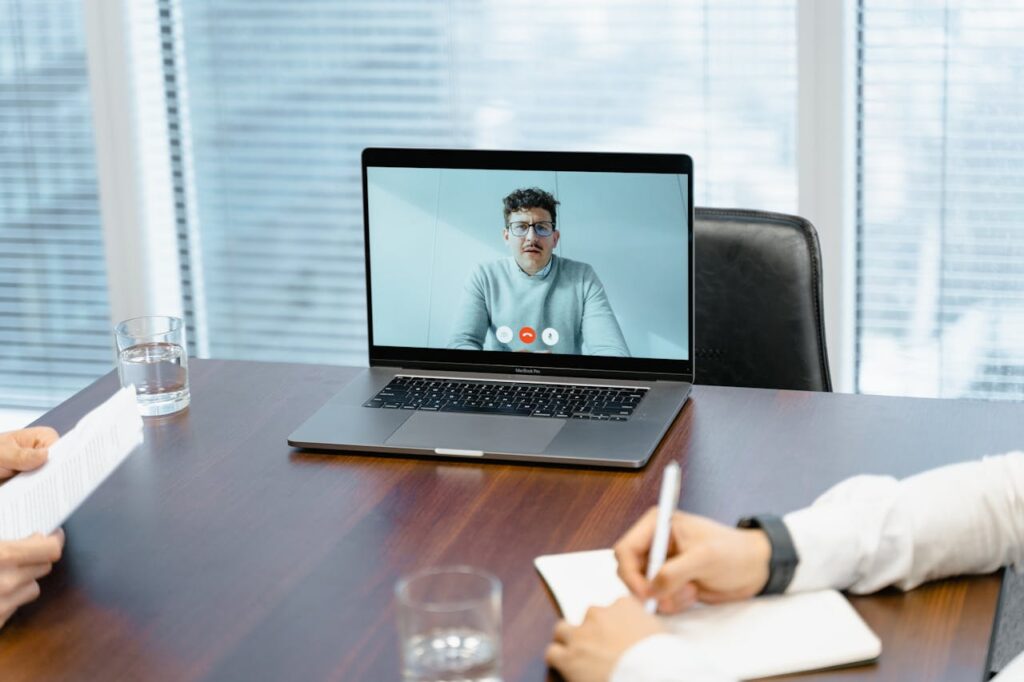
Additionally, the constant use of digital communication tools, such as Zoom or Microsoft Teams, can lead to ‘Zoom fatigue’ and eye strain, further affecting well-being. The over-reliance on technology also raises concerns about data security and privacy, as employees handle sensitive information outside the secure confines of an office.
Limited Career Progression
For some employees, remote work can lead to concerns about career progression. Being physically distant from the office might result in fewer opportunities for networking, mentoring, and visibility within the company. This can make it more challenging to showcase achievements and advance within the organisation, particularly in environments where in-person interactions are highly valued.
Remote workers may also miss out on spontaneous learning opportunities that occur in an office setting, such as overhearing a colleague’s conversation or being included in impromptu meetings. This can limit their exposure to new ideas and professional development opportunities, potentially slowing their career growth.
Balancing the Positives and Negatives
Best Practices for Enhancing Remote Work Positives
To maximise the benefits of remote work, employees can adopt several strategies:
-
- Create a Dedicated Workspace: Setting up a dedicated workspace at home can help establish a clear boundary between work and personal life, improving focus and productivity. A well-organised, comfortable space can make a significant difference in how employees approach their workday.

-
- Set Clear Boundaries: Defining specific work hours and adhering to them can prevent work from encroaching on personal time, helping to maintain a healthy work-life balance. It’s also essential to communicate these boundaries with family members or housemates to minimise interruptions.
-
- Stay Connected: Actively participating in virtual meetings, team activities, and informal chats can help combat feelings of isolation and foster a sense of belonging within the company. Regular check-ins with managers and colleagues can also ensure that remote workers remain engaged and motivated.
Mitigating the Negatives of Remote Work
While the negatives of remote work can pose challenges, they can be mitigated with the right approach:
-
- Establish a Routine: Creating a consistent daily routine, including regular breaks and a designated end to the workday, can help employees manage their time effectively and prevent burnout. Taking time for physical activity, whether a short walk or a home workout, can also help break up the day and boost energy levels.

-
- Invest in Technology: Ensuring access to reliable internet, up-to-date hardware, and secure software is crucial for maintaining productivity and reducing stress related to technical issues. Employers should consider providing stipends or equipment to support their remote workers in creating an optimal home office setup.
-
- Seek Professional Development: Remote workers should proactively seek out professional development opportunities, such as online courses, webinars, and virtual networking events, to enhance their skills and visibility within the organisation. Employers can support this by offering resources and encouragement for continuous learning and growth.
In Summary
Remote work offers a unique blend of positives and negatives for employees. The flexibility, cost savings, and access to global opportunities make it an attractive option, while challenges such as isolation, blurred boundaries, and dependence on technology require careful management. By adopting best practices and staying mindful of potential pitfalls, employees can navigate the complexities of remote work and thrive in this evolving work environment.
As remote work continues to be a significant aspect of modern business, understanding its impact on employees is crucial. By balancing the positives and addressing the negatives, both employers and employees can create a remote work model that promotes productivity, well-being, and long-term success.