![The [RE]Search Co.](https://re-search.co/wp-content/uploads/2025/02/The-RE-Search-Co-Orange_Grey-png-350x51.avif)

Commuting is an integral aspect of urban life, especially in major Asian cities known for their dense populations and dynamic economies. Commute times, reflecting a mix of both public and private transportation, can significantly impact daily routines, productivity, and overall well-being.
Here we explore the average commute times across some of Asia’s largest cities, providing insights into the factors that contribute to these times and their implications for residents.
Tokyo, Japan: Efficiency Amidst the Crowds
Average Commute Time: 52 Minutes
Tokyo, Japan’s bustling capital, features a highly efficient public transport system with an extensive network of trains, buses, and subways. Despite this, the city’s vast size and dense population result in an average commute time of 52 minutes. Commuters using private vehicles may experience longer delays due to traffic congestion, especially during peak hours.

Seoul, South Korea: Navigating the Urban Sprawl
Average Commute Time: 54 Minutes
In Seoul, the average commute time of 54 minutes reflects the challenges of navigating a sprawling city. While the comprehensive public transport system, including subways and buses, helps manage commute times, heavy traffic and long distances contribute to longer travel durations for those using private vehicles.
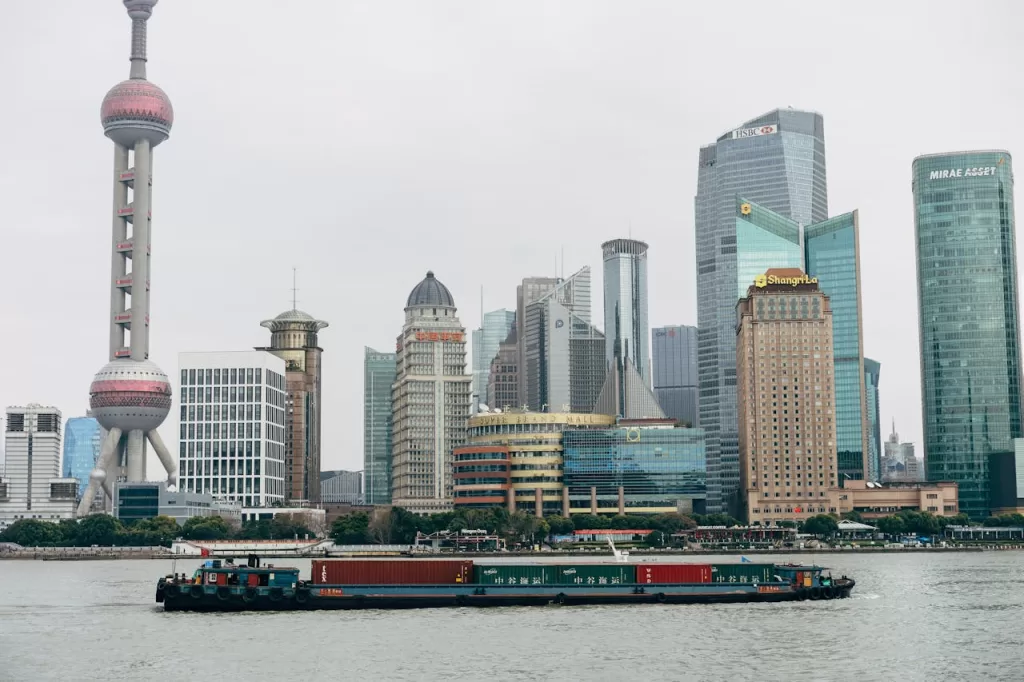
Shanghai, China: A Growing Metropolis
Average Commute Time: 51 Minutes
Shanghai’s average commute time of 51 minutes combines both efficient public transport and the impact of increasing vehicle usage. The city’s rapid urbanisation and growing number of cars lead to extended commute times despite a well-developed metro system.
Beijing, China: Battling Traffic Congestion
Average Commute Time: 56 Minutes
Beijing’s average commute time of 56 minutes is significantly influenced by severe traffic congestion. Although the city boasts a robust public transport network, the heavy road traffic affects both public transport and private vehicle commutes, leading to longer travel times.
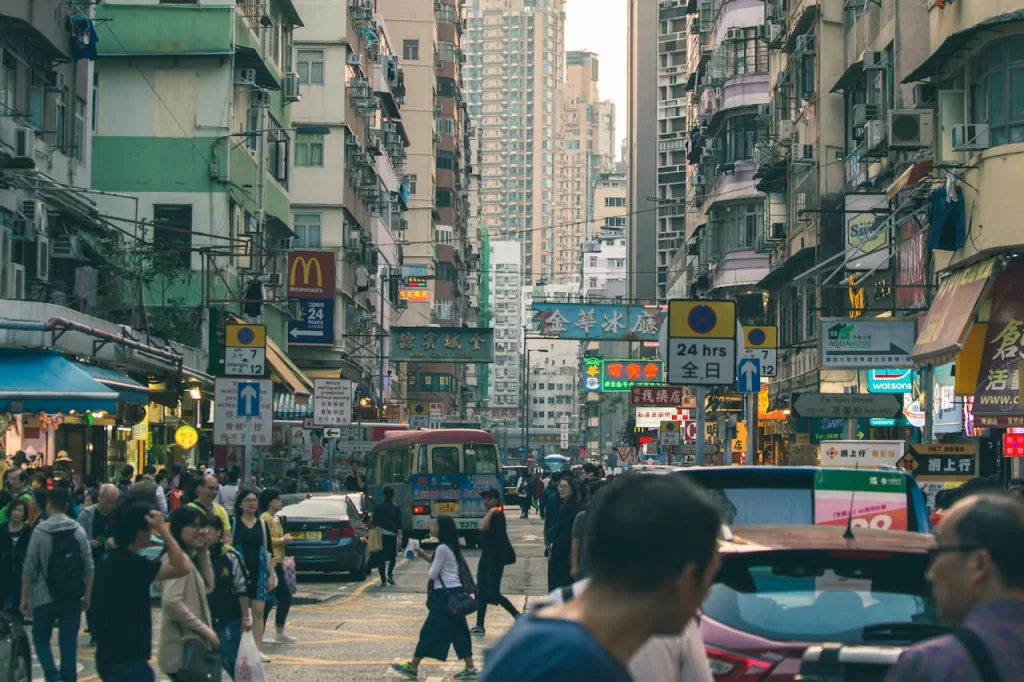
Hong Kong: Compact and Efficient
Average Commute Time: 45 Minutes
Hong Kong benefits from a compact size and an efficient public transport system, including buses, trams, ferries, and the MTR (Mass Rapid Transit). With an average commute time of 45 minutes, the city’s well-connected transport network ensures relatively shorter commute times, though private vehicle use is less common due to high costs.
Singapore: A Model of Urban Planning
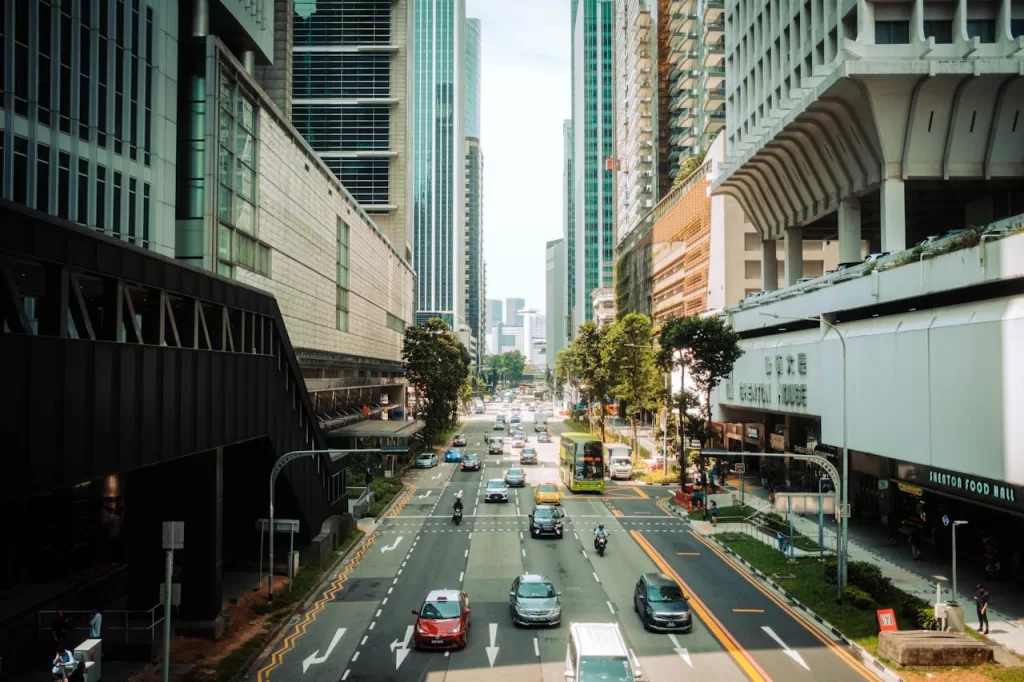
Average Commute Time: 40 Minutes
Singapore’s average commute time of 40 minutes is a result of its well-planned infrastructure and efficient MRT (Mass Rapid Transit) system. The city-state’s compact size and effective transport network contribute to shorter commute times, with private vehicle use being less prevalent.
Bangkok, Thailand: The Challenge of Traffic Jams
Average Commute Time: 72 Minutes
Bangkok faces an average commute time of 72 minutes, heavily impacted by severe traffic jams. The city’s public transport options, such as the BTS Skytrain and MRT subway, offer some relief, but private vehicles contribute to longer commute times due to road congestion.
Mumbai, India: Navigating the Hustle and Bustle
Average Commute Time: 47 Minutes
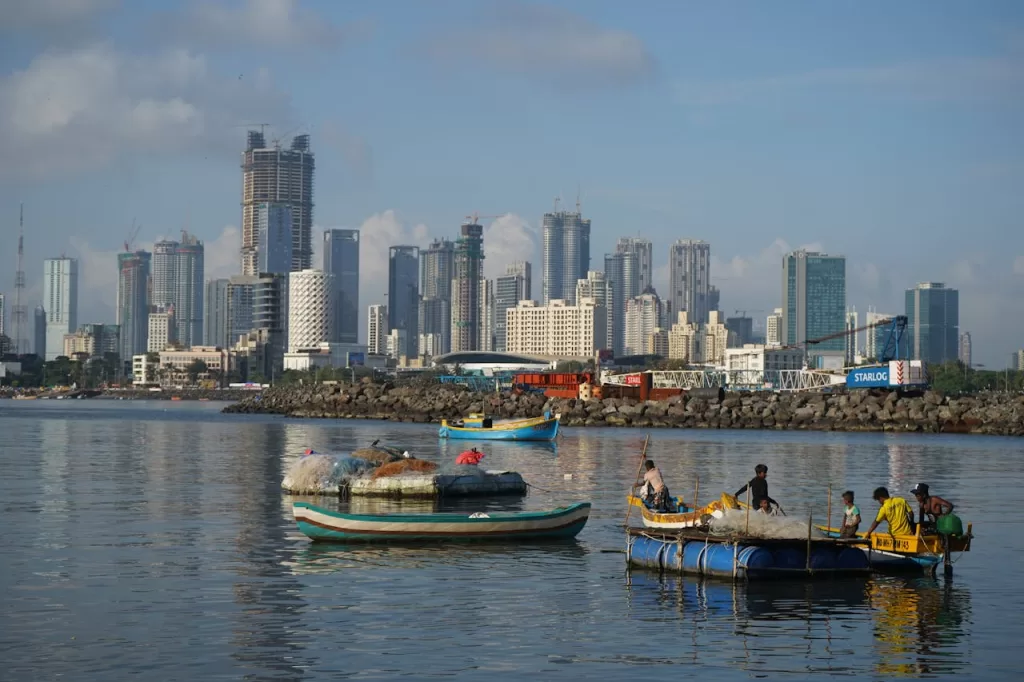
In Mumbai, the average commute time of 47 minutes reflects a reliance on both local trains and road transport. The city’s crowded trains and heavy road traffic contribute to extended commute times, though the local train network helps manage overall travel durations.
Delhi, India: A Tale of Two Commutes
Average Commute Time: 46 Minutes
Delhi’s average commute time of 46 minutes is influenced by a mix of public and private transportation. The expanding metro network helps reduce commute times, but traffic congestion and long distances between residential and business areas result in longer travel durations for private vehicle users.
Jakarta, Indonesia: The Long Road Ahead
Average Commute Time: 68 Minutes
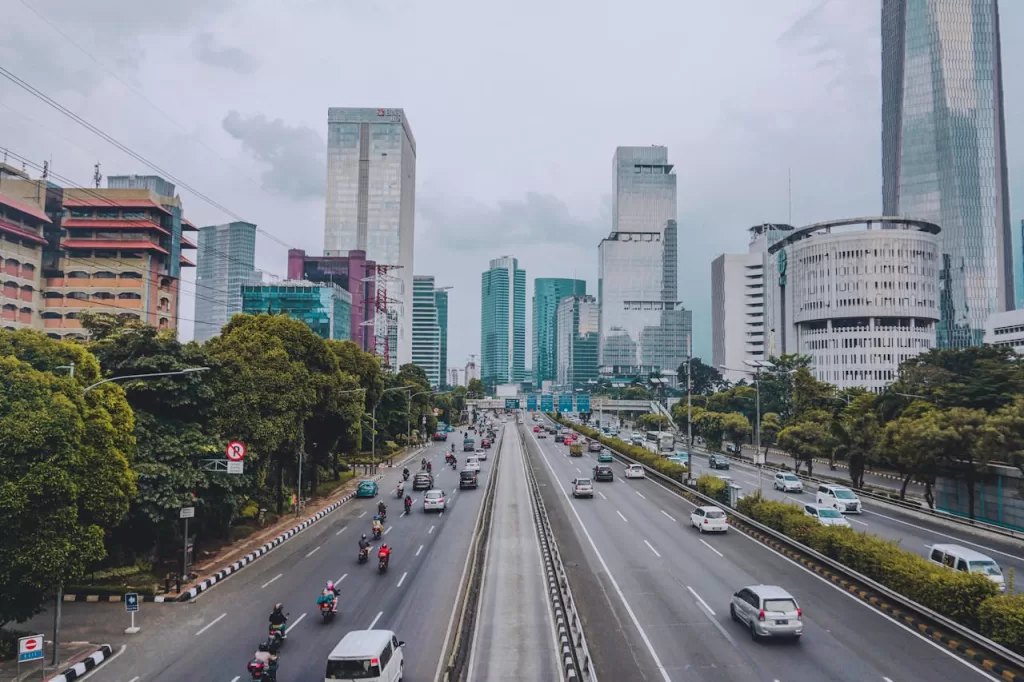
Jakarta’s average commute time of 68 minutes is largely due to severe traffic congestion. The city’s public transport systems, including the MRT and LRT, offer some relief, but private vehicle use remains common and contributes to extended travel times.
Manila, Philippines: Commuting in Chaos
Average Commute Time: 66 Minutes
In Manila, the average commute time of 66 minutes reflects both public and private transport challenges. Heavy traffic and an underdeveloped public transport system result in lengthy and often unpredictable commutes, though infrastructure improvements are underway.
The Impact of Commute Times on Urban Living
Commute times are a crucial factor in urban living, impacting daily productivity and quality of life. The average times for major Asian cities, reflecting both public and private transport methods, reveal diverse commuting challenges.
As cities continue to evolve, addressing these challenges through improved infrastructure, better urban planning, and more efficient transport systems will be essential for enhancing the overall liveability and sustainability of these cities.