![The [RE]Search Co.](https://re-search.co/wp-content/uploads/2025/02/The-RE-Search-Co-Orange_Grey-png-350x51.avif)

Wellbeing of employees typically translates to productivity. So as companies strive to improve in this area, two key factors come into play: acoustics and ergonomics.
While these aspects are often considered separately, they are intricately related and together play a pivotal role in shaping the workplace.
Here we take a look at the essential connection between acoustics and ergonomics, exploring how their integration can elevate places of work into havens of comfort and efficiency.
Understanding Ergonomics
Definition and Importance
Ergonomics is the science of designing workspaces, tools, and tasks to fit the human body and its cognitive capabilities. The goal of ergonomics is to optimise human well-being and overall system performance. In the context of the workplace, ergonomics focuses on creating environments that minimise physical strain and enhance productivity.
Key Components of Ergonomics
- Furniture Design: Ergonomically designed chairs, desks, and workstations support proper posture, reduce the risk of musculoskeletal disorders, and increase comfort.
- Workspace Layout: Efficient layout ensures that frequently used items are within easy reach, reducing the need for awkward movements.
- Lighting and Visual Ergonomics: Adequate lighting reduces eye strain and fatigue, contributing to a more comfortable and efficient work environment.

The Role of Acoustics in the Workplace
Definition and Significance
Acoustics is the science of sound, including its production, transmission, and effects. In the workplace, acoustics focuses on controlling noise levels to create a conducive environment for concentration, communication, and overall well-being.
Key Components of Acoustics
- Sound Absorption: Materials and designs that reduce sound reflections and reverberations help control noise levels.
- Noise Isolation: Barriers and partitions that block unwanted noise from entering workspaces.
- Sound Masking: Introducing background noise to cover up distracting sounds, enhancing focus and privacy.

The Intersection of Acoustics and Ergonomics
Productivity and Comfort
Both acoustics and ergonomics aim to create a workspace that enhances productivity and comfort. Poor acoustics can lead to distractions and stress, while poor ergonomics can cause physical discomfort and fatigue. Together, they contribute to an overall healthy and productive work environment.
Mental and Physical Health
Good ergonomics reduces physical strain and the risk of musculoskeletal disorders, while good acoustics reduces stress and mental fatigue caused by noise. Both aspects are crucial for maintaining employees’ overall well-being.
Design Integration
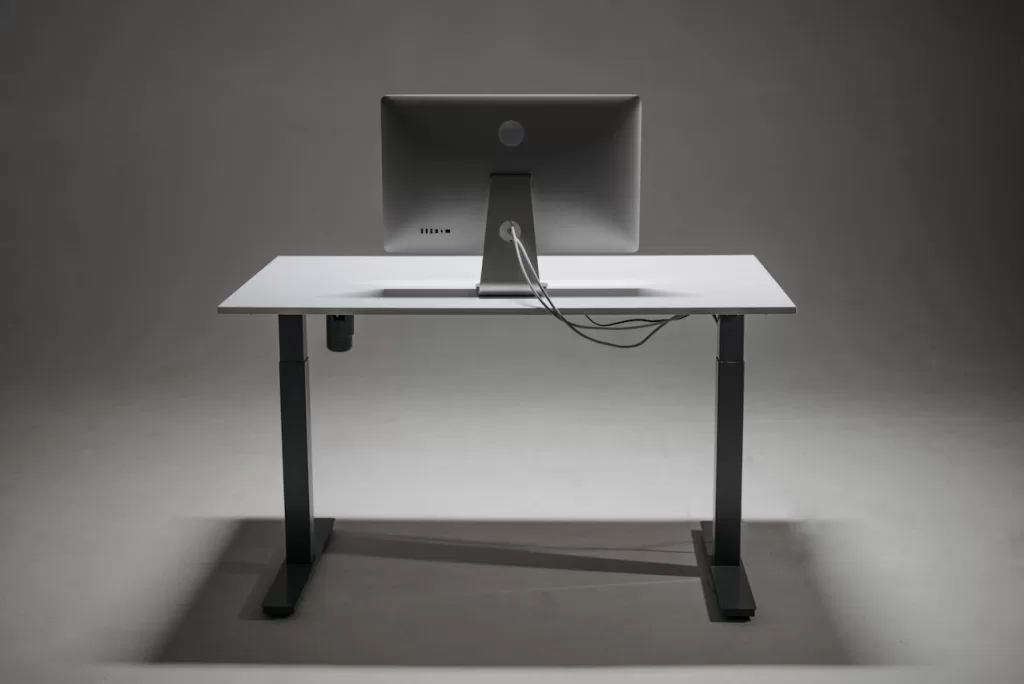
Effective workplace design considers both ergonomics and acoustics. For example, an ergonomic workstation that includes a comfortable chair and adjustable desk should also consider acoustic treatments like sound-absorbing panels or partitions to minimise noise distractions.
Focus and Concentration
Noise can be a significant distraction, affecting concentration and cognitive performance. Ergonomically designed workspaces that also incorporate acoustic solutions help employees maintain focus and perform tasks efficiently.
Practical Applications in the Workplace
Open Office Layouts
Open office layouts are popular for their collaborative nature but can be noisy and distracting. Integrating ergonomic furniture with acoustic solutions can create a balanced environment. Ergonomic chairs and desks support physical comfort, while acoustic ceiling tiles, carpets, and dividers reduce noise levels, enhancing focus and productivity.
Meeting Rooms
Meeting rooms should be designed to facilitate clear communication and comfort. Ergonomically designed seating and adjustable tables provide physical support, while acoustic treatments like soundproofing and wall panels ensure that discussions are not disrupted by external noise or echoes.
Home Offices
With the rise of remote work, creating a home office that considers both ergonomics and acoustics is also crucial. Selecting an ergonomic chair and desk is essential for physical comfort, while adding soft furnishings or acoustic panels can reduce noise distractions, creating a more productive work environment.

Technological Integration
Smart Office Solutions
Smart office solutions, including adjustable desks and chairs with built-in sensors, can provide real-time feedback on posture and ergonomics. Similarly, smart acoustic solutions can monitor noise levels and adjust sound masking systems automatically to maintain an optimal acoustic environment.
The Benefits of Integrating Acoustics and Ergonomics
Enhanced Productivity
A workspace that integrates both ergonomic and acoustic solutions can significantly enhance productivity. Employees spend less time dealing with discomfort and distractions and more time focused on their tasks.
Improved Employee Well-being
Physical and mental well-being are interdependent. By addressing both ergonomics and acoustics, employers can create a work environment that supports overall health, reducing the risk of physical ailments and mental fatigue.
Increased Job Satisfaction
Employees who work in comfortable and supportive environments are likely to experience higher job satisfaction. This can lead to increased motivation, lower turnover rates, and a more positive workplace culture.
The Symbiotic Relationship of Acoustics and Ergonomics
While acoustics and ergonomics address different aspects of the work environment, their relationship is essential for creating a holistic and effective workplace. A well-designed workspace considers both ergonomic and acoustic principles to support the physical and mental well-being of employees, ultimately leading to higher productivity and job satisfaction.
Employers and designers should not view acoustics and ergonomics as separate elements but as interrelated components that together create a supportive and efficient work environment.