![The [RE]Search Co.](https://re-search.co/wp-content/uploads/2025/02/The-RE-Search-Co-Orange_Grey-png-350x51.avif)

A well-designed office is more than just an aesthetic achievement; it’s a functional necessity. As companies expand and their office spaces become more complex, the need for effective wayfinding systems becomes critical.
We take a look at the importance of office wayfinding, the benefits, and how to implement an efficient system that enhances the workplace experience.
The Importance of Office Wayfinding
What is Wayfinding?
Wayfinding refers to the information systems that guide people through a physical environment and enhance their understanding and experience of the space. In an office setting, wayfinding encompasses signs, maps, symbols, and other visual cues that help employees and visitors navigate the workspace efficiently.
Why Office Wayfinding Matters
Effective wayfinding in an office is essential for several reasons:
-
- Enhanced Efficiency: Employees spend less time searching for locations and more time on productive pursuits.
-
- Visitor Experience: Clear wayfinding ensures that visitors, whether clients or potential employees, have a positive experience from the moment they enter the building.
-
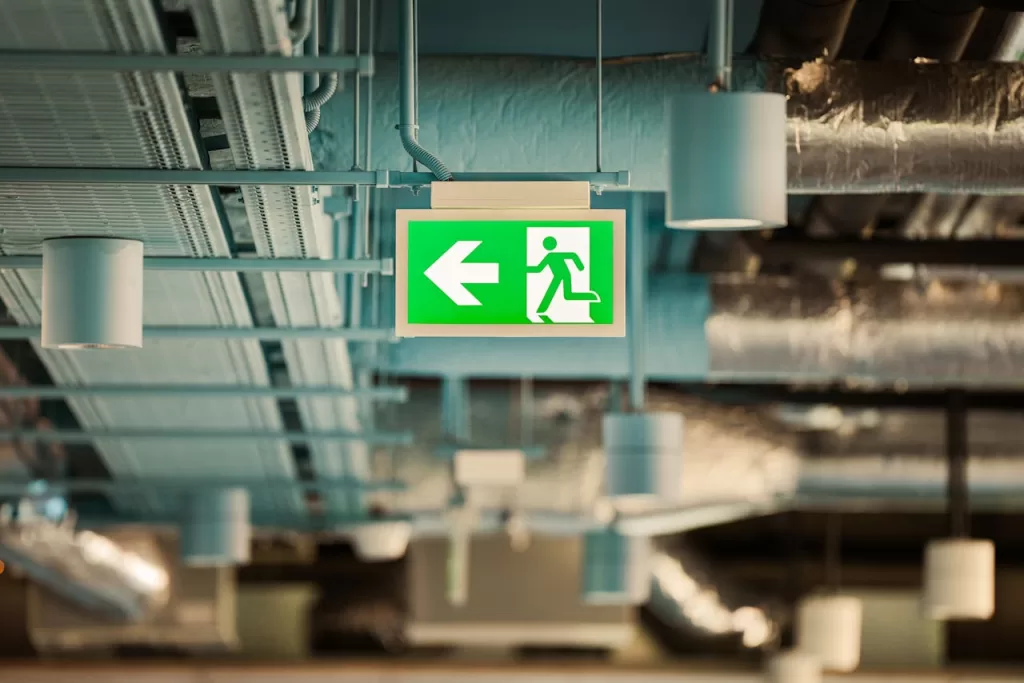
- Safety: In emergencies, clear signage can guide people quickly to exits and safety zones, potentially saving lives.
-
- Accessibility: Good wayfinding accommodates everyone, including those with disabilities, ensuring an inclusive environment.
Key Components of Office Wayfinding
1. Signage
Signs are the most direct way to guide people. Effective signage should be:
-
- Clear and Concise: Use simple language and universally understood symbols.
-
- Consistent: Maintain a uniform design, font, and colour scheme throughout the office.
-
- Visible: Place signs at eye level and in well-lit areas to ensure they are easily seen.
2. Maps and Directories
Interactive maps and directories at entry points and strategic locations help people orient themselves within the office. Digital directories can be particularly useful, providing up-to-date information and even interactive navigation assistance.
3. Colour Coding and Symbols
Using colours and symbols can enhance wayfinding:
-
- Colour Coding: Assign different colours to various departments or zones to make navigation intuitive.
-
- Symbols: Universal symbols for restrooms, exits, and common areas help non-English speakers and those with reading difficulties.
4. Floor Plans
Detailed floor plans posted at key locations allow employees and visitors to understand the layout of the office. These should highlight key areas like conference rooms, restrooms, and emergency exits.
Implementing an Effective Wayfinding System
1. Understand the Space
Before designing a wayfinding system, conduct a thorough analysis of the office layout. Identify high-traffic areas, potential bottlenecks, and commonly used routes.
2. User-Centric Design
Consider the needs of different users – employees, visitors, clients, and service personnel. A user-centric approach ensures the system is intuitive and accessible for everyone.
3. Technology Integration
Leverage technology to enhance wayfinding:
-
- Digital Signage: Interactive screens that can display maps, announcements, and real-time updates.
-
- Mobile Apps: Office navigation apps can provide step-by-step directions, locate colleagues, and book meeting rooms.
-
- Beacons and Sensors: These can offer personalised navigation assistance and track foot traffic to optimise the placement of signs.
4. Consistency and Maintenance
Ensure that the wayfinding system is consistent throughout the office and regularly updated. Worn-out signs or outdated information can lead to confusion and inefficiency.
5. Testing and Feedback
After implementing the system, test it with a small group of users and gather feedback. Make necessary adjustments based on their experiences to improve functionality.
Benefits of Effective Wayfinding
1. Improved Efficiency
A well-designed wayfinding system minimises time spent searching for locations, leading to a more efficient and productive workplace.
2. Enhanced Visitor Experience
First impressions matter. Visitors who can easily navigate the office are likely to have a more positive experience, reflecting well on the company’s professionalism and organisation.
3. Increased Safety
Clear wayfinding is crucial in emergencies, guiding people quickly and safely to exits and assembly points. This can be particularly important in large office buildings with complex layouts.
4. Better Accessibility
Inclusive wayfinding systems ensure that all users, including those with disabilities, can navigate the office with ease. This not only complies with legal requirements but also promotes a more inclusive workplace culture.
5. Brand Reinforcement
Consistent and well-designed wayfinding elements can reinforce the company’s brand identity. Using brand colours, fonts, and logos in signs and maps can enhance brand recognition and cohesion.
In any workplace, effective wayfinding is not just a convenience – it’s a necessity. By implementing a well-designed wayfinding system, companies can improve efficiency and visitor experiences, ensure safety, and promote accessibility. Whether through clear signage, interactive maps, or advanced technology, investing in wayfinding solutions pays dividends in creating a more efficient, inclusive, and professional work environment.