![The [RE]Search Co.](https://re-search.co/wp-content/uploads/2025/02/The-RE-Search-Co-Orange_Grey-png-350x51.avif)

When it comes to designing an office space, one of the most important decisions you’ll make is choosing the right desk size.
The ideal desk size can significantly impact your productivity, comfort, and overall work experience. Whether you’re setting up a home office or revamping your workplace, it’s important to select a desk that meets your needs.
We look at the factors to consider when determining the ideal desk size for productivity and provide recommendations to help you make an informed decision.
Why Desk Size Matters
The size of your desk plays a vital role in how efficiently you can work. A desk that is too small can leave you feeling cramped and disorganised, while a desk that is too large may lead to wasted space and unnecessary clutter.

The right desk size should accommodate your work essentials, provide ample surface area for tasks, and contribute to a comfortable and ergonomic workspace.
Key Factors to Consider
- Nature of Work
The type of work you do should heavily influence your choice of desk size. If your work involves a lot of paperwork, you’ll need a larger surface area to spread out documents. On the other hand, if your tasks are mostly digital, a smaller desk may suffice, especially if you primarily use a laptop or desktop computer. - Space Availability
The dimensions of your room or office space are crucial when choosing a desk size. Measure the available space to ensure your desk fits comfortably without obstructing movement or other furniture. Keep in mind that you’ll also need room for a chair and possibly additional storage solutions like filing cabinets or shelves. - Ergonomics
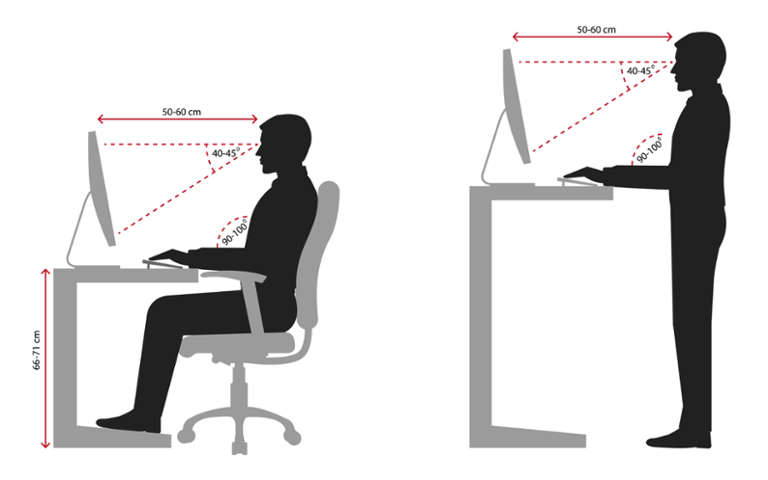
Ergonomics is key to maintaining productivity and preventing strain or injury. The desk height should allow you to sit comfortably with your feet flat on the floor, your elbows at a 90-degree angle, and your screen at eye level. The depth and width of the desk should also accommodate your equipment without forcing you to reach excessively. - Storage Needs
Consider whether you need built-in storage or if your work requires only a simple, uncluttered surface. Some desks come with drawers, shelves, or compartments that can help keep your workspace organized and free from distractions. - Desk Shape
The shape of your desk can also influence productivity. Rectangular desks are the most common and versatile, but L-shaped or corner desks can be more efficient for multitasking or dividing workspaces. U-shaped desks offer maximum surface area and are ideal for those who require extensive space for multiple monitors or large projects.
Recommended Desk Sizes
- Standard Desk Dimensions
The standard desk size for most office environments is approximately 120-160 cm (47-63 inches) wide and 60-80 cm (24-31 inches) deep. This size provides enough space for a computer, monitor, keyboard, and a few other essentials, making it a versatile choice for a variety of work types. - Compact Desks
For smaller spaces or home offices where space is at a premium, a desk that is 90-120 cm (35-47 inches) wide and 50-60 cm (20-24 inches) deep might be ideal. These dimensions still allow for basic office equipment while minimizing the desk’s footprint. - Large Desks
If you have ample space and require more surface area for multiple monitors, paperwork, or creative projects, a desk that is 160-200 cm (63-79 inches) wide and 80-100 cm (31-39 inches) deep could be a better fit. This size accommodates a broader range of activities without feeling cramped. - Standing Desks
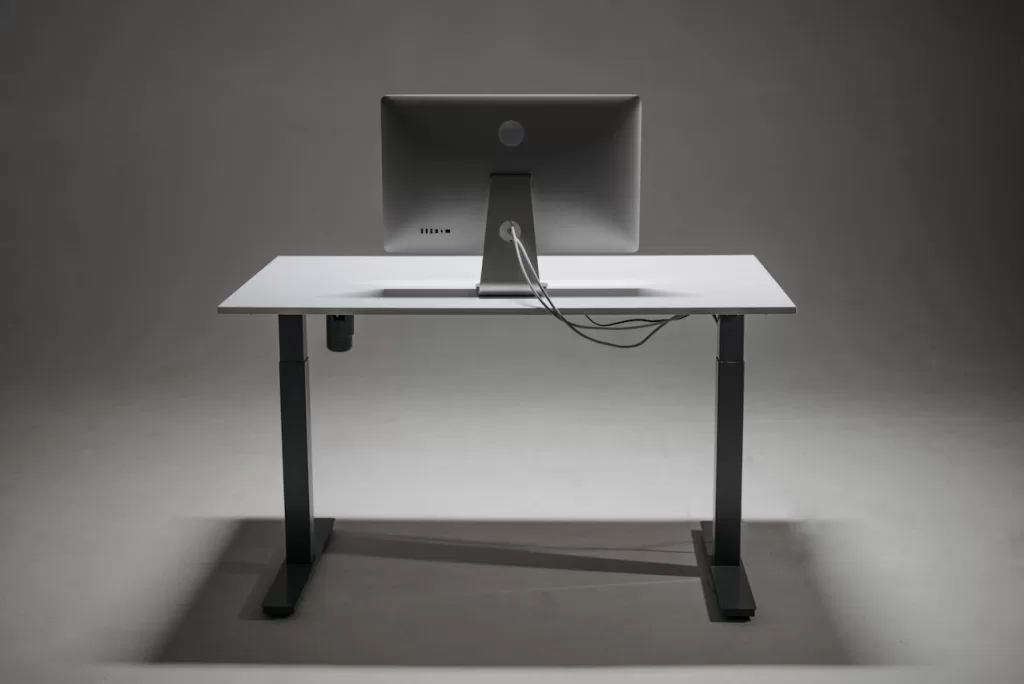
Standing desks are gaining popularity for their health benefits and impact on productivity. If you opt for a standing desk, ensure that it is adjustable and can accommodate your height when standing. The width and depth should follow the same guidelines as traditional desks, based on your space and work needs.
Optimising Your Desk Layout
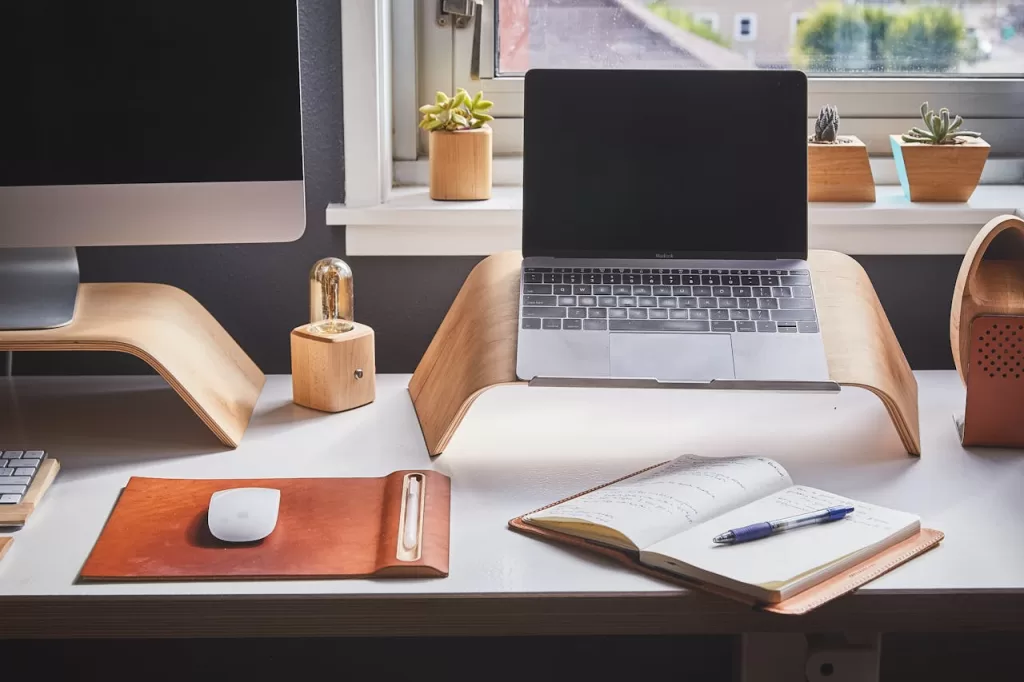
Once you’ve selected the ideal desk size, arranging your workspace efficiently is essential to maximizing productivity. Here are some tips to optimize your desk layout:
- Keep Frequently Used Items Within Reach: Arrange your desk so that the items you use most often, such as your computer, phone, and notepad, are within easy reach. This minimizes unnecessary movement and helps maintain focus.
- Organise Cables and Accessories: Use cable management solutions to keep wires tidy and out of the way. This not only reduces clutter but also prevents distractions caused by tangled cords.
- Utilise Vertical Space: If your desk has limited surface area, consider using vertical space for storage. Wall-mounted shelves, pegboards, or monitor stands can free up desk space and keep your essentials accessible.
- Maintain a Clean Workspace: A cluttered desk can lead to a cluttered mind. Regularly clear your workspace of unnecessary items, and keep only what you need for the task at hand.
Balancing Style and Functionality
While functionality is crucial, aesthetics also play a role in creating a productive workspace. Choose a desk that complements your office décor and personal style, but make sure it doesn’t compromise on size and ergonomics. A well-designed desk that fits your space and needs can enhance your overall work experience and keep you motivated.
The ideal desk size for productivity depends on various factors, including the nature of your work, available space, ergonomic considerations, and storage needs. Whether you opt for a compact desk in a cosy home office or a spacious setup in a corporate environment, the right desk size can make all the difference in your daily productivity.