![The [RE]Search Co.](https://re-search.co/wp-content/uploads/2025/02/The-RE-Search-Co-Orange_Grey-png-350x51.avif)
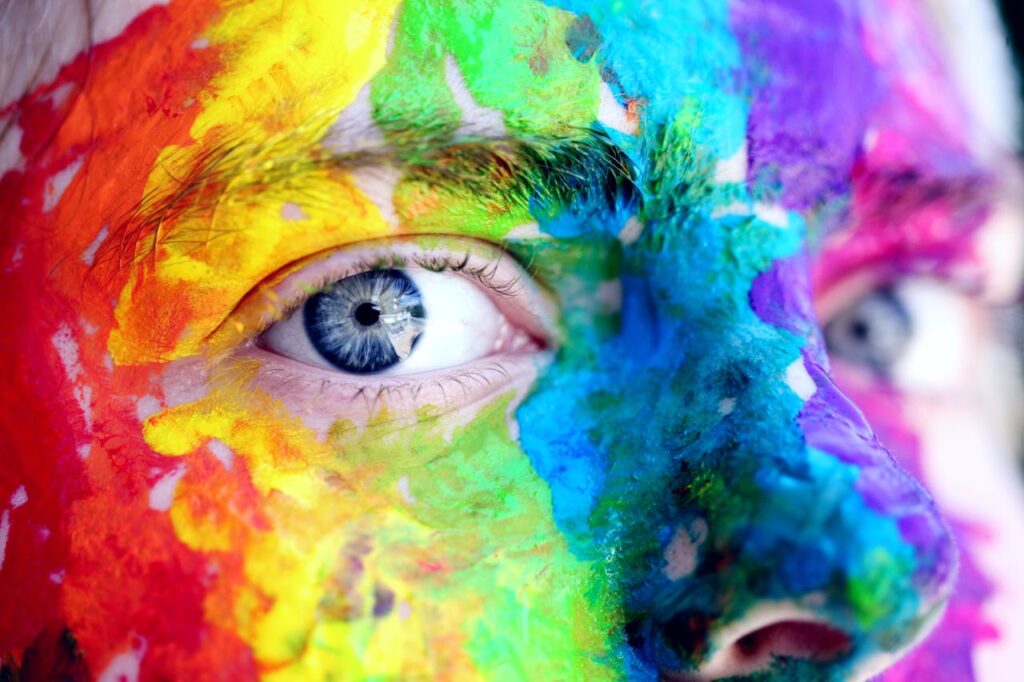
In the early days of my career, corporate offices were typically a sea of beige or grey with the odd splash of colour that strictly conformed to the corporate brand.
Thankfully these days due to enlightened CRE leadership and talented design professionals who are given greater freedom, this is generally no longer the case. We see stunning environments of all hues.
Nevertheless, colour does have a profound impact on human psychology and behaviour, influencing our emotions, moods, and productivity in various settings, including the workplace. So choosing the right colours for the walls, furniture, and decor can make a significant difference in employees’ well-being and performance.
Understanding the Psychology
Before jumping into specific colours, it’s essential to understand the psychological effects that different colours can have on individuals. Research over the years has suggested the following:
1. Blue: Associated with calmness, serenity, and productivity, blue is often considered one of the most universally appealing colours for the workplace. It promotes a sense of stability and trust, making it ideal for environments where focus and concentration are required.
2. Green: Symbolising growth, harmony, and balance, green has a soothing effect on the mind and is often associated with nature and renewal. In the office, green can foster a sense of freshness and creativity, making it a popular choice for workspaces where innovation and brainstorming are encouraged.
3. Yellow: Known for its energy and optimism, yellow is a vibrant and attention-grabbing colour that can stimulate mental activity and boost mood. However, excessive use of yellow can be overwhelming and may cause feelings of anxiety or agitation, so it’s best used as an accent colour rather than a dominant one.
4. Red: Symbolising passion, excitement, and urgency, red is a powerful and attention-grabbing colour that can evoke strong emotions. While red can increase energy levels and stimulate creativity, it may also be perceived as aggressive or distracting in large doses, so probably best used sparingly in the office.
5. Neutral Colours: Shades of grey, beige, and white are often used as neutral backgrounds in office environments. These colours convey a sense of professionalism and sophistication while providing a neutral backdrop that allows other colours and elements to stand out.
So what are the Best Colour Choices for the Office?
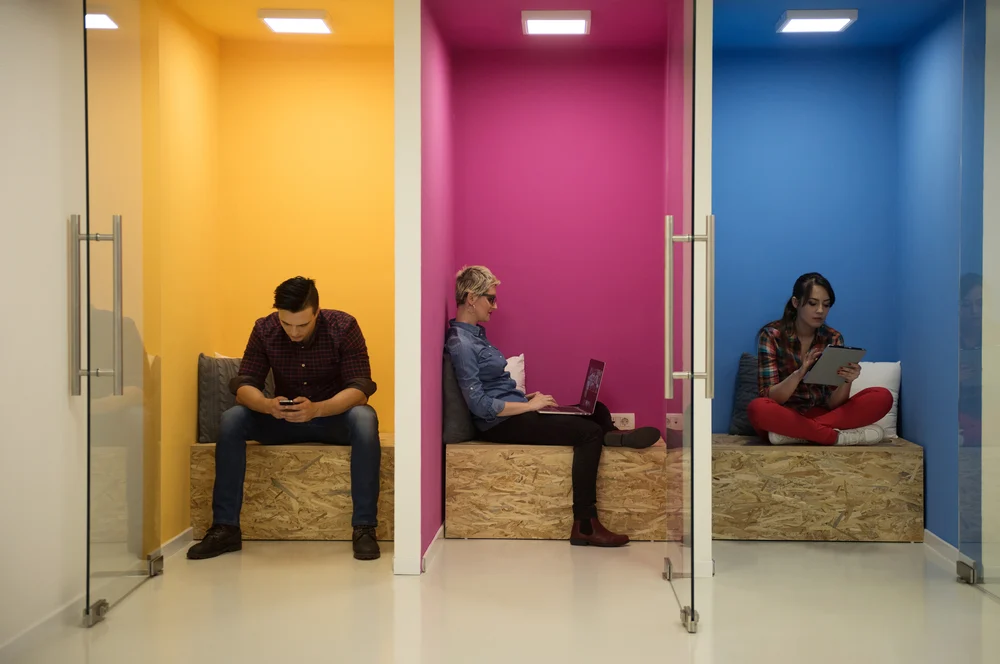
When it comes to choosing the best colour for the office environment, several factors should be considered, including the nature of the work being done, the preferences of employees, and the overall atmosphere desired. Here are some popular recommendations for the best colour choices in the office:
1. Blue: As mentioned earlier, blue is a versatile and universally appealing colour that promotes calmness, focus, and productivity. It is particularly well-suited for environments where concentration and attention to detail are paramount, such as spaces where analytical or technical work is performed.
 2. Green: Green is an excellent choice for workplaces seeking to create a harmonious and refreshing atmosphere that encourages creativity and collaboration. Whether used as an accent colour or as part of a nature-inspired theme, green can help reduce stress and increase overall well-being in the workplace.
3. Neutral Colours: Neutral colours like grey, beige, and white are timeless and versatile choices. They provide a clean and professional backdrop that complements any decor style while allowing other colours and elements to take centre stage. Neutral colours are also less likely to evoke strong emotions or distractions, making them suitable for a wide range of work settings.
Implementing Colour in the Workplace
When implementing colour, it’s essential to strike the right balance and consider the preferences and needs of individuals and teams:
1. Use Colour Strategically: Consider the function of each space within the office and choose colours that align with its purpose. For example, use calming colours like blue in areas where focus and concentration are needed, and vibrant colours like yellow in spaces where creativity and energy are encouraged.
2. Create Contrast: Use a combination of light and dark colors to create contrast and visual interest in the office. Contrast can help define different areas, draw attention to important elements, and prevent the space from feeling monotonous or bland.
3. Consider Lighting: Pay attention to natural and artificial lighting conditions when choosing colours for the office. Light colours can help brighten dark spaces and make them feel more open and inviting, while dark colours can add warmth and coziness to overly bright areas.
4. Feedback: Involve team members in the colour selection process by soliciting their feedback and preferences. Conduct surveys or focus groups to gather input on colour choices and ensure that the final design reflects needs and preferences.
The psychology of colour plays a crucial role in shaping the atmosphere and functionality of any environment. By understanding the psychological effects of different colours and choosing the best colour choices, we can create a workspace that fosters productivity, creativity, and employee well-being. Whether it’s calming blues, refreshing greens, or timeless neutrals, the right colours can make a significant difference.