![The [RE]Search Co.](https://re-search.co/wp-content/uploads/2025/02/The-RE-Search-Co-Orange_Grey-png-350x51.avif)

Office furniture manufacturers are increasingly incorporating the use of marine plastics as part of their environmental protection initiatives. This not only addresses the growing concern over ocean pollution but also aligns with a global push towards sustainable and eco-friendly practices.
As businesses and consumers alike become more environmentally conscious, the demand for sustainable products is surging, prompting manufacturers to innovate and adapt.
The Environmental Imperative
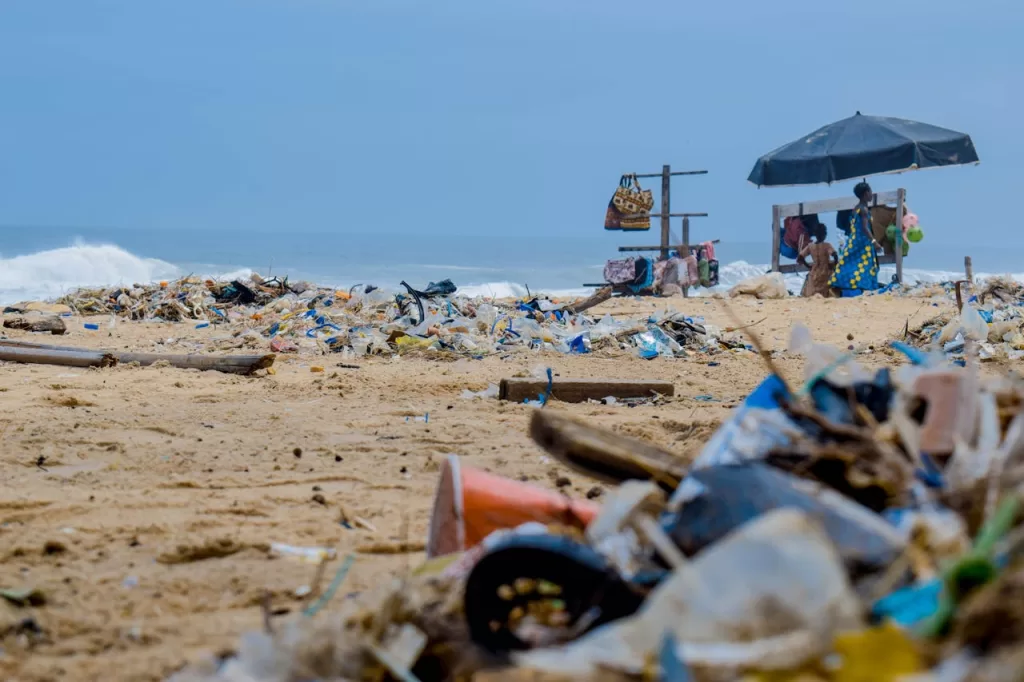
Marine plastic pollution is a critical environmental issue, with millions of tonnes of plastic waste ending up in the oceans each year. This pollution poses severe threats to marine life, ecosystems, and human health. In response, there has been a concerted effort to reduce plastic waste and promote recycling.
Office furniture manufacturers are now tapping into this movement by incorporating recycled marine plastics into their products, thereby reducing their environmental footprint and contributing to the cleanup of the oceans.
Benefits of Marine Plastics in Office Furniture
-
- Sustainability: By using recycled marine plastics, manufacturers can significantly reduce the demand for virgin plastics, which are derived from non-renewable fossil fuels. This shift helps to conserve resources and decrease greenhouse gas emissions associated with plastic production.
-
- Waste Reduction: Incorporating marine plastics into office furniture helps to divert plastic waste from oceans and landfills, addressing the growing problem of plastic pollution. This not only protects marine life but also promotes a circular economy where materials are reused and recycled.
-
- Corporate Social Responsibility (CSR): Companies that adopt sustainable practices, such as using marine plastics, can enhance their CSR profiles. This can improve their brand image, attract eco-conscious customers, and satisfy stakeholders who prioritise environmental responsibility.
-
- Innovative Design: Marine plastics offer unique aesthetic qualities and can be transformed into high-quality, durable furniture. This allows designers to create stylish and functional pieces that appeal to modern office environments.
Leading Examples in the Industry
Several office furniture manufacturers have taken significant strides in incorporating marine plastics into their products. Here are a few examples:
1. Humanscale
Humanscale, a leading designer and manufacturer of ergonomic office furniture, has launched a range of products made from recycled marine plastics. Their “Ocean Chairs” are a prime example, featuring components made from discarded fishing nets. By partnering with organisations such as Bureo, which collects and recycles fishing nets from the coastlines of South America, Humanscale has been able to create sustainable products that also supports coastal communities.
2. Haworth
Haworth, a prominent name in the office furniture industry, has joined the movement towards sustainability by incorporating marine plastics into their products. Their “Oceanic Fabric” range, for instance, uses recycled sea-waste plastics to create polyester fabrics. Haworth’s commitment to sustainability is evident in their increasing efforts to reduce waste and promote the use of recycled materials.
3. Steelcase
Steelcase, another global leader in office furniture, have also integrated ocean-bound plastics into one of their fabric ranges. In partnership with Duvaltex, their “Intersection” screen and panel fabric includes recycled marine plastic waste. Steelcase also collaborates with Plastic Bank, an organisation that incentivises the collection of ocean-bound plastics in developing countries, transforming waste into valuable raw materials for their products.
4. MillerKnoll
MillerKnoll, an office furniture leader known for their design pedigree is a founding member of NextWave Plastics, a consortium working to develop the first global network of ocean-bound plastic supply chains. MillerKnoll is increasingly incorporating recycled ocean-bound plastics into both their legacy products and new product introductions alike. In 2023 they estimate to have diverted approximately 300 metric tons of plastic waste from the oceans.
The Future of Marine Plastics in Office Furniture
As the awareness of plastic pollution grows and the demand for sustainable products increases, the use of marine plastics in office furniture is likely to expand. Manufacturers are investing in research and development to find new ways to incorporate recycled materials into their products.
Additionally, advances in recycling technology are making it easier to transform marine plastics into high-quality materials suitable for furniture production.
In Summary
The shift towards using marine plastics in office furniture manufacturing represents a promising step forward in environmental protection and sustainability. By adopting these materials, manufacturers can reduce plastic waste, conserve resources, and support the health of the oceans. Companies like Humanscale, Haworth, Steelcase, and Herman Miller can lead by example and demonstrate that it is possible to create stylish, functional, and sustainable office furniture using recycled ocean plastics.