![The [RE]Search Co.](https://re-search.co/wp-content/uploads/2025/02/The-RE-Search-Co-Orange_Grey-png-350x51.avif)
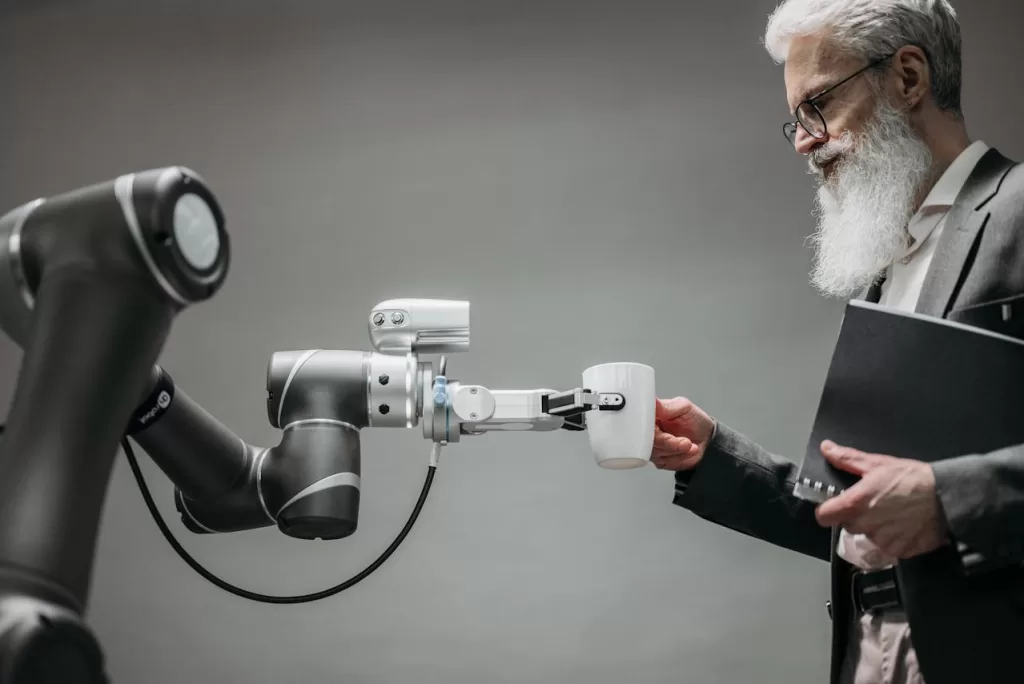
As the digital revolution continues to reshape industries, the integration of artificial intelligence (AI) into workplace design is emerging as a key driver of change.
Smart offices, powered by AI, are no longer a futuristic concept but a reality that is transforming the employee experience. From enhancing productivity to promoting well-being and engagement, AI-driven solutions are redefining the modern workplace.
The following explores how AI is revolutionising office design and the profound impact it is having on the way we work.
The Rise of AI in Workplace Design
AI’s integration into workplace design has been propelled by the need for more adaptive, efficient, and human-centred work environments. As businesses recognise the importance of employee well-being and productivity, AI offers the tools to create spaces that are not only functional but also responsive to the needs of the workforce.
One of the key features of AI in workplace design is its ability to analyse vast amounts of data to optimise various aspects of the office environment. From lighting and temperature control to space utilisation and noise management, AI systems can monitor, learn, and adjust settings in real-time to create the most conducive work conditions.
Productivity with AI-Driven Solutions
Productivity is at the heart of any successful workplace, and AI is proving to be a powerful ally in boosting employee output. One of the ways AI enhances productivity is through smart space management.
AI-powered sensors and analytics can track how spaces are used, identifying under-utilised areas and suggesting ways to optimise space allocation. This not only maximises the efficiency of office layouts but also ensures that employees have access to the resources they need when they need them.
For example, AI can monitor meeting room usage and automatically suggest alternative times or spaces if a room is unavailable, reducing the time employees spend searching for a suitable workspace.

AI can also predict peak usage times and adjust heating, ventilation, and air conditioning (HVAC) systems accordingly, ensuring that energy is used efficiently while maintaining a comfortable environment.
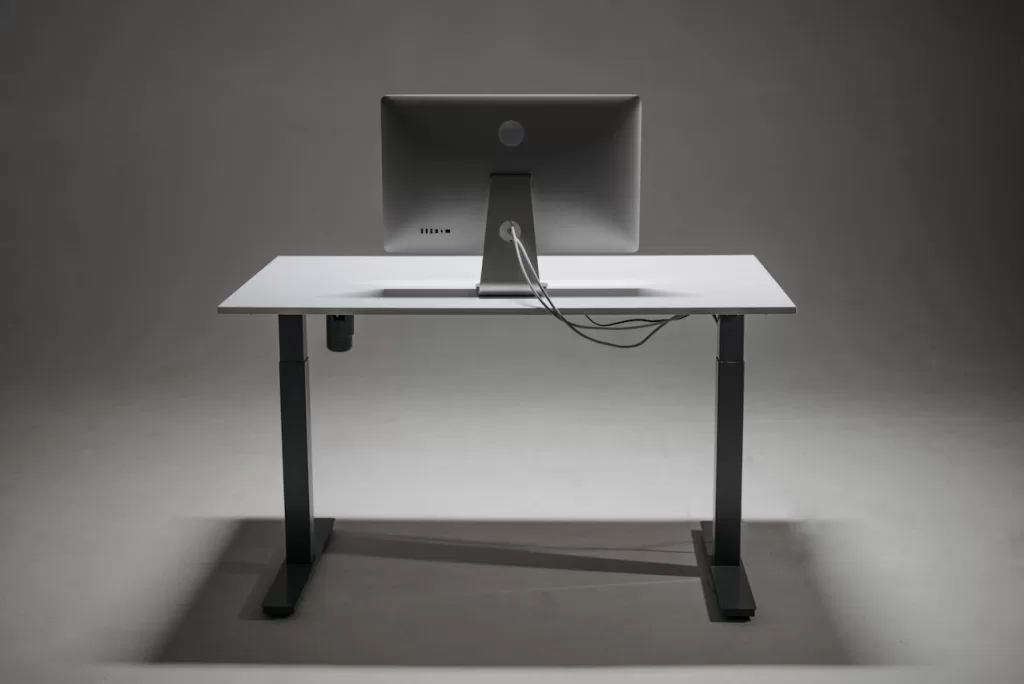
AI is also enhancing productivity through personalised workspaces. By analysing data on employee preferences and work habits, AI systems can tailor individual workstations to suit each user’s needs. This could involve adjusting desk height, lighting levels, or even suggesting the optimal time for breaks based on the employee’s activity levels throughout the day.
Employee Well-Being
Employee well-being is a critical factor in workplace design, and AI is playing a significant role in creating healthier and more comfortable work environments.
One of the primary ways AI contributes to well-being is through environmental control. AI-driven systems can monitor air quality, temperature, and lighting, making adjustments to ensure that the office environment remains conducive to health and comfort.
For instance, AI can regulate lighting levels to align with natural circadian rhythms, reducing the risk of eye strain and improving sleep quality for employees. AI can also monitor indoor air quality, detecting harmful pollutants and adjusting ventilation systems to maintain a healthy environment.
This proactive approach to environmental management not only enhances physical well-being but also contributes to mental health by reducing stress and creating a more pleasant workplace.
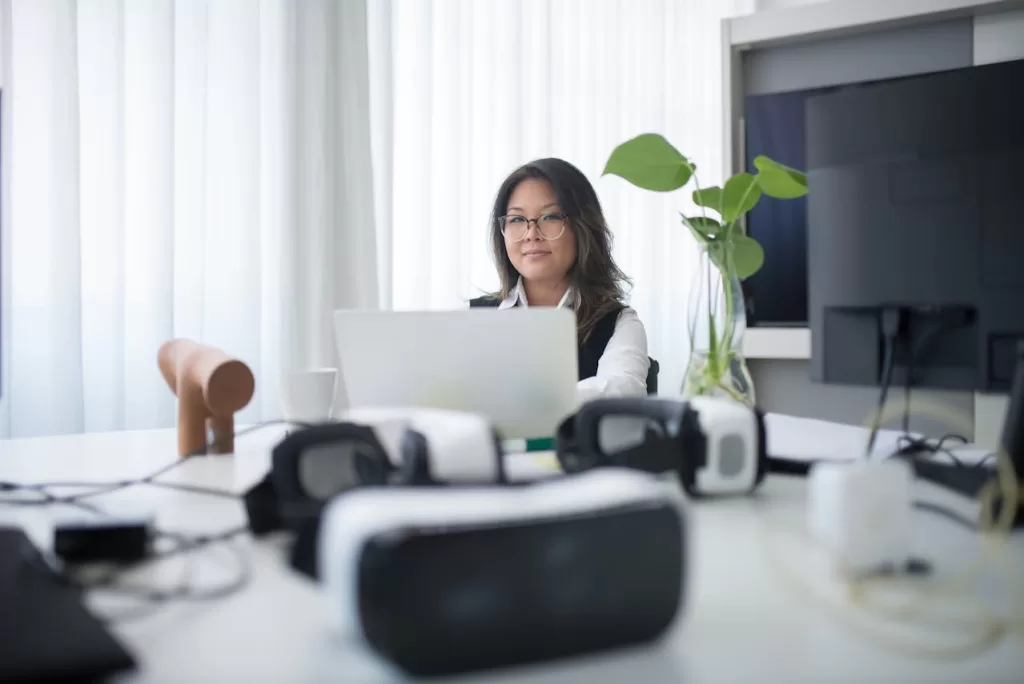
The technology is also being used to combat workplace stress through the introduction of biophilic design elements. By analysing employee behaviour and preferences, AI can suggest the integration of natural elements such as plants, water features, or natural light, which have been shown to reduce stress and increase overall satisfaction.
AI can track employee engagement and well-being through wearable devices or apps, providing real-time data that can be used to offer personalised wellness programmes or interventions.
Employee Engagement
Employee engagement is another area where AI is making a significant impact. Engaged employees are more productive, creative, and loyal, and AI is helping businesses create environments that foster this engagement. One of the ways AI does this is by facilitating better communication and collaboration.
Tools such as chatbots, virtual assistants, and collaboration platforms are streamlining communication processes, making it easier for employees to connect, share information, and work together on projects.
These tools can also analyse communication patterns to identify potential bottlenecks or areas where collaboration could be improved, enabling managers to take proactive steps to enhance team dynamics.
It is also transforming the way companies approach employee feedback and recognition. Through sentiment analysis and natural language processing, AI can analyse employee feedback from surveys, emails, or social media to gauge morale and identify areas for improvement.
This data can then be used to tailor recognition programmes or implement changes that reflect the needs and desires of the workforce, ultimately leading to higher levels of engagement.
AI-driven platforms can be used to provide employees with personalised career development opportunities. By analysing skills, performance data, and career aspirations, AI can suggest training programmes, courses, or mentoring opportunities that align with an employee’s career goals, fostering a sense of growth and engagement within the organisation.
The Future of AI in Workplace Design
The potential of AI in workplace design is vast, and as technology continues to evolve, so too will its applications in creating smarter, more human-centred work environments. The future of AI in the workplace is likely to involve even greater levels of personalisation, with AI systems that can anticipate the needs of employees before they arise.
For instance, we may see the development of AI-driven mood recognition systems that can adjust the office environment based on the emotional state of employees. If an employee is feeling stressed, the system could automatically dim the lights, or adjust the temperature to create a more relaxed atmosphere.
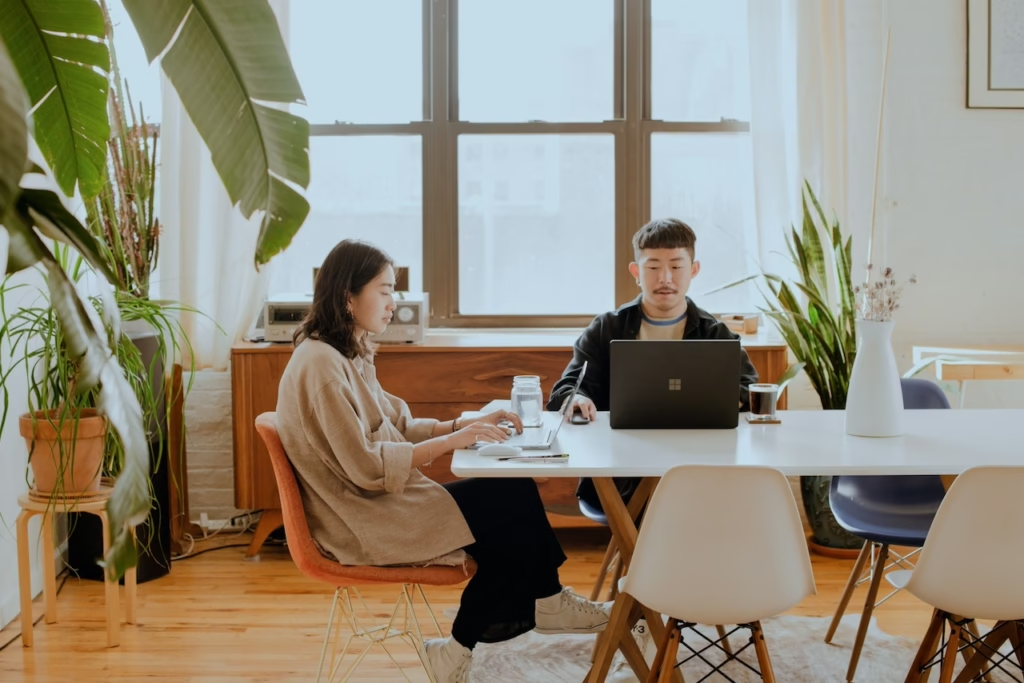
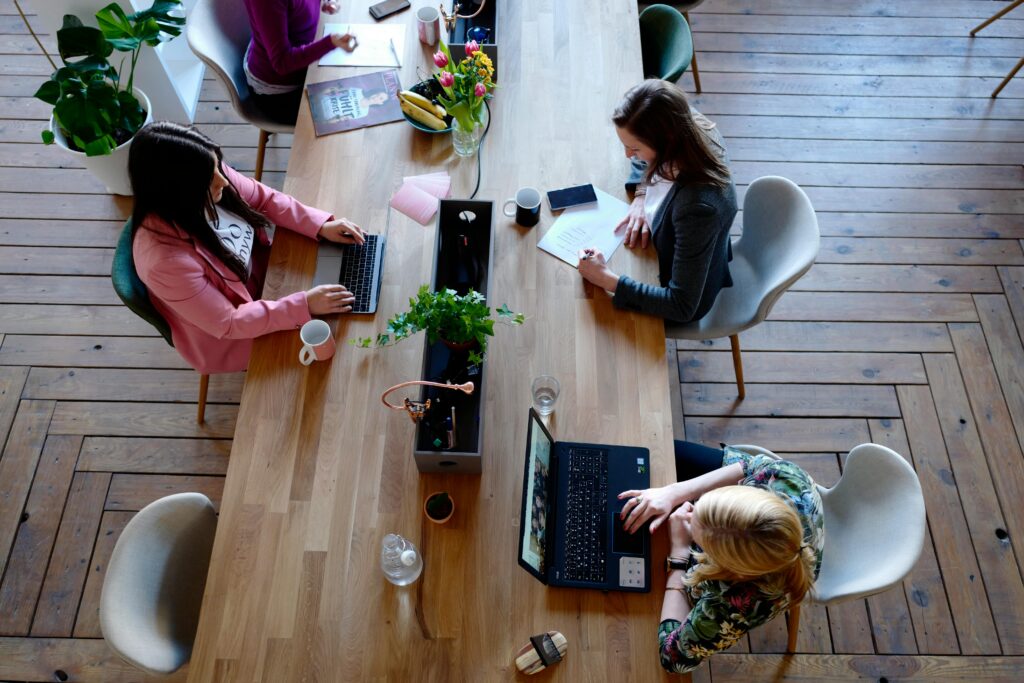
Similarly, AI could be used to design workspaces that adapt to the changing needs of a workforce that is increasingly mobile and flexible, offering a seamless experience whether employees are working from home, in a co-working space, or in the office.
AI is also set to play a crucial role in the ongoing push towards sustainability in workplace design. By optimising energy usage, reducing waste, and promoting sustainable practices, AI can help businesses create offices that are not only efficient and comfortable but also environmentally responsible.
By enhancing productivity, promoting well-being and engagement, AI-driven smart offices will be setting new standards for the workplace. As businesses continue to adopt AI technologies, the focus will increasingly shift towards creating environments that are not only efficient and functional but also deeply attuned to the needs of employees.