![The [RE]Search Co.](https://re-search.co/wp-content/uploads/2025/02/The-RE-Search-Co-Orange_Grey-png-350x51.avif)
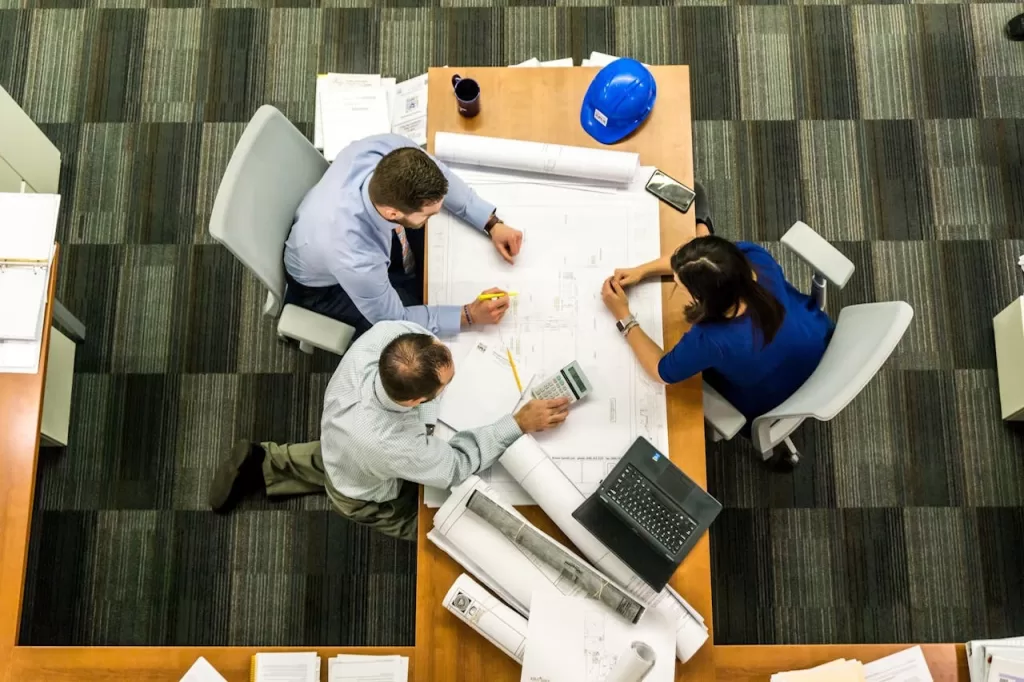
The office fitout and construction industry has been facing unprecedented challenges, with soaring costs impacting projects worldwide. Several factors contributed to the rise in these costs, from material shortages to labour issues.
Although costs seem to have stabilised in recent months, understanding these factors is still useful for stakeholders in the commercial real estate and office construction sectors.
1. Material Shortages and Price Increases
Global Supply Chain Disruptions
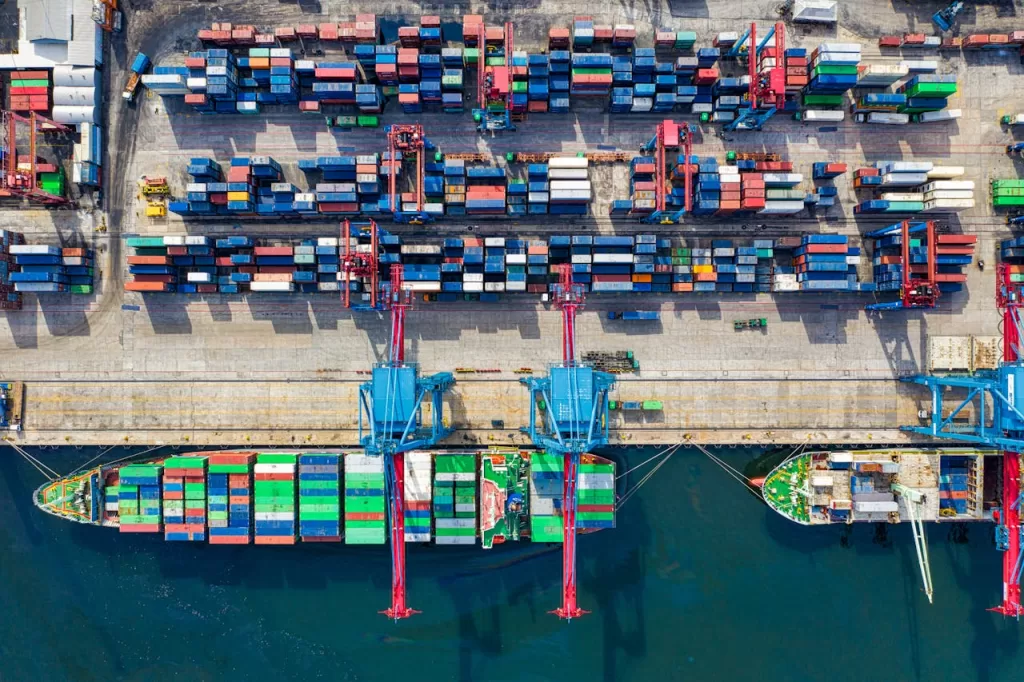
The COVID-19 pandemic severely disrupted global supply chains, causing delays and shortages of essential materials. Factories closed, shipping routes were affected, and logistics networks experienced bottlenecks, all of which led to significant delays in material availability. For office fitouts, materials like glass, steel, and gypsum board are in short supply, driving up prices.
Increased Demand for Materials
As economies recover, there is a surge in demand for construction materials. This demand, coupled with the supply chain disruptions, has caused prices to spike. Key materials like steel, lumber, and cement have seen substantial price increases. For office fitouts, this translates to higher costs for partitions, flooring, and structural elements.
2. Labour Shortages and Increased Wages
Skilled Labour Shortage
The construction industry has long faced a shortage of skilled labour. This issue has been exacerbated by the pandemic, as many workers left the industry, some returned to their home towns and stayed, or retired. The lack of skilled workers has led to increased wages as companies compete to attract talent. For office fitouts, this means higher costs for trades such as carpenters, electricians, and HVAC technicians.
Health and Safety Measures
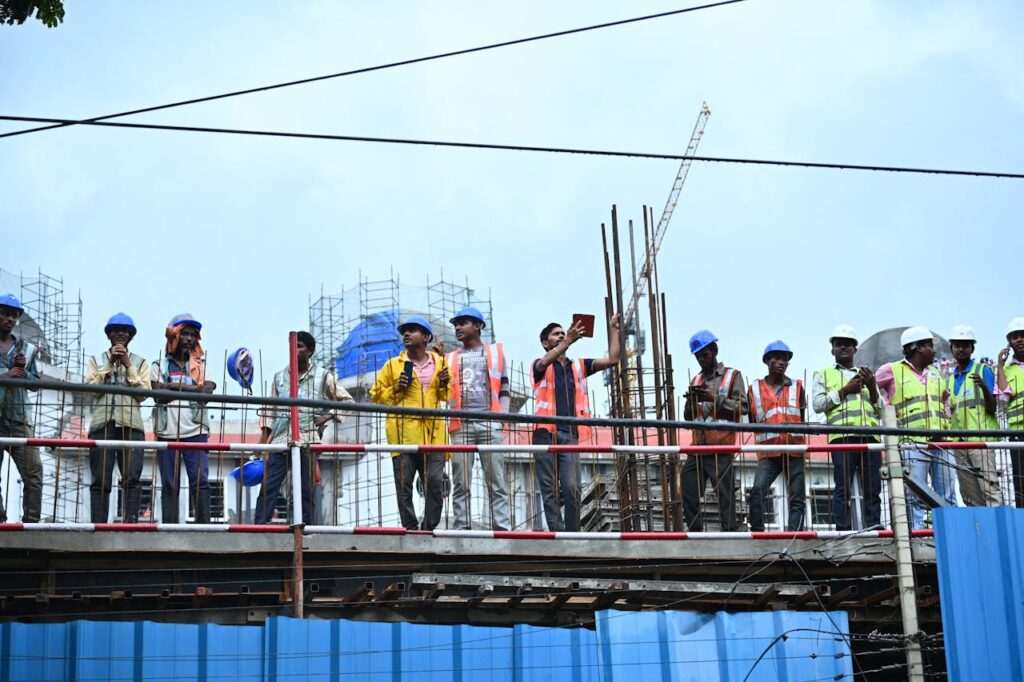
Implementing health and safety measures to protect workers from COVID-19 also increased costs. These measures include providing personal protective equipment (PPE), implementing social distancing protocols, and ensuring sanitisation on job sites.
3. Rising Energy Costs
Energy costs have risen globally, impacting various sectors, including construction. Higher fuel prices increase the cost of transporting materials and operating machinery, contributing to the overall increase in construction costs. For office fitouts, this affects everything from the delivery of materials to the operation of on-site equipment.
4. Regulatory and Environmental Factors
Stricter Building Codes
Governments are implementing stricter building codes and regulations to ensure safety and sustainability. While these regulations are beneficial in the long term, they often lead to higher construction costs due to the need for compliance and additional materials. Office fitouts must now incorporate more sustainable and energy-efficient systems, which can be costly from the outset.

Environmental Sustainability
The push for environmentally sustainable construction practices, such as using green materials and energy-efficient designs, also adds to the costs. While these practices are essential for reducing environmental impact, they require investment in new technologies and materials.
5. Tariffs and Trade Policies
Tariffs and trade policies can significantly impact the cost of construction materials. For example, tariffs on imported steel and aluminium have driven up prices, affecting construction budgets. Trade tensions between major economies can also lead to uncertainty and price volatility.
6. Increased Demand for Office Fitouts
The post-pandemic economic recovery has led to a boom in office fitouts, as companies reconfigure spaces to accommodate hybrid working models. This increased demand puts pressure on resources and labour, driving up costs.
7. War and Geopolitical Issues
Conflict in Ukraine
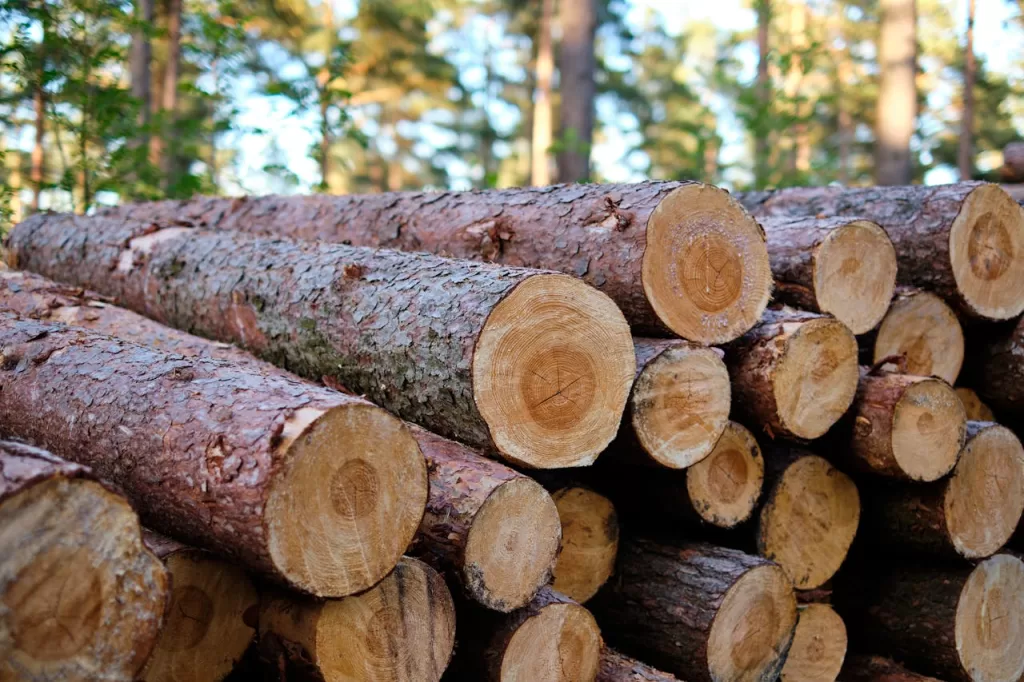
The war in Ukraine has had a significant impact on construction material supplies, particularly wood. Ukraine is a major source of timber, and the conflict has disrupted production and export. This has led to increased prices and scarcity of wood, affecting construction timelines and costs.
Middle Eastern Instability
Ongoing instability in the Middle East affects the supply and cost of petroleum products, which are essential for construction operations. This instability can lead to fluctuating fuel prices, further driving up transportation and operational costs.
8. Delays and Project Uncertainty
Delays in project timelines are becoming more common due to material and labour shortages, regulatory changes, and other factors. These delays often lead to increased costs as projects require additional time and resources to complete. For office fitouts, delays can mean extended periods of remote work for employees or the need for temporary office solutions.
Mitigating Office Fitout and Construction Costs
Strategic Planning
To manage rising costs, firms need to engage in strategic planning, including securing materials in advance, leveraging bulk purchasing, and exploring alternative suppliers. Careful scheduling and contingency planning can also help mitigate delays.
Investing in Technology
Investing in technology can help mitigate some of the cost increases. For example, using construction management software can improve efficiency, while adopting prefabrication and modular construction techniques can reduce material waste and labour costs.
Collaboration and Communication
Effective collaboration and communication with stakeholders, including clients, suppliers, and regulatory bodies, can help navigate the complexities of the current construction landscape. This approach ensures that all parties are aligned and can work together to find cost-effective ad potentially more efficient solutions.
Inn closing, the rise in office fitout and construction costs is a multifaceted issue influenced by material shortages, labour challenges, rising energy costs, regulatory factors, tariffs, increased demand, geopolitical issues, and project delays. By understanding these factors, stakeholders can develop strategies to manage costs and navigate the current and future cost pressures.
Investing in technology, engaging in strategic planning, and fostering collaboration are key steps towards mitigating the impact of rising construction costs and ensuring successful project outcomes.