![The [RE]Search Co.](https://re-search.co/wp-content/uploads/2025/02/The-RE-Search-Co-Orange_Grey-png-350x51.avif)
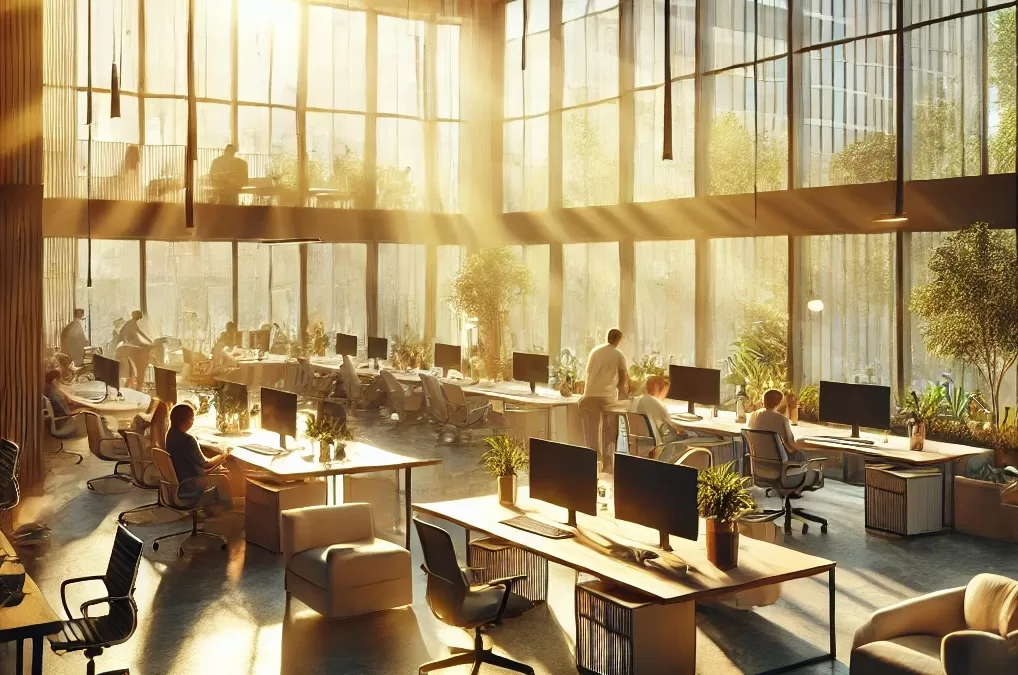
The quest for productivity, health, and well-being often intersects with the environment in which we work. One of the most critical elements of this environment is lighting.
While artificial light sources, particularly LEDs, have become increasingly sophisticated, they still fall short in replicating the benefits of natural light. The difference between natural light and artificial sources like LEDs is not merely aesthetic; it has profound implications for human health, body cycles, and mood.
Let’s take a look at the scientific reasons why natural light is irreplaceable in the workplace, and why substituting it with artificial lighting presents significant challenges.
The Science
Natural light is a full-spectrum light that encompasses all wavelengths of visible light. Unlike artificial lighting, which often emits a narrow range of wavelengths, natural light includes a dynamic range of colours and intensities that change throughout the day.
This variation is crucial for regulating circadian rhythms, the internal clocks that govern our sleep-wake cycles and overall health.
Circadian rhythms are influenced by the presence of blue light, which is abundant in natural sunlight during the morning and midday. This blue light signals to our bodies that it is time to be awake and alert.
As the day progresses, the amount of blue light decreases, and warmer tones dominate, signaling the approach of evening and preparing the body for rest. This natural progression of light exposure is difficult, if not impossible, to replicate with artificial lighting systems.

The Limitations of Artificial Lighting
LEDs have become the go-to choice for workplace lighting due to their energy efficiency and long lifespan. However, their light output is often limited to specific wavelengths, primarily within the blue spectrum. While this might be beneficial during the day, prolonged exposure to high levels of blue light from LEDs can disrupt circadian rhythms, particularly when used in the evening.
Unlike natural light, which gradually reduces its blue light content, LEDs tend to maintain a consistent output, leading to potential sleep disturbances and associated health issues.
The colour rendering index (CRI) of LEDs, which measures the ability of a light source to reveal the colours of objects faithfully compared to natural light, often falls short of the full spectrum provided by sunlight. This can result in a less vibrant and less visually comfortable environment, contributing to eye strain and reduced productivity over time.
The Impact on Health and Well-being
Circadian Rhythms and Sleep
One significant difference between natural light and artificial light lies in their impact on circadian rhythms. Natural light, with its dynamic spectrum, helps regulate the production of melatonin, the hormone responsible for sleep.
Exposure to natural light during the day boosts alertness and mood, while the gradual reduction in blue light as evening approaches facilitates melatonin production, promoting restful sleep.
Artificial lighting, particularly LEDs, can interfere with this process. The consistent exposure to blue light, especially in the evening, can suppress melatonin production, leading to difficulties in falling asleep, reduced sleep quality, and even chronic sleep disorders.
Over time, this disruption can contribute to a range of health problems, including obesity, diabetes, cardiovascular diseases, and depression.
Mood and Mental Health
Natural light has been shown to positively influence mood and mental health. Exposure to sunlight increases the production of serotonin, a neurotransmitter associated with feelings of well-being and happiness. This is why people often feel more energised and in a better mood on sunny days compared to overcast ones.

In contrast, artificial lighting, particularly in environments with insufficient natural light, can contribute to mood disorders such as Seasonal Affective Disorder (SAD). This condition is particularly prevalent in regions with long winters and limited daylight, but poorly lit workplaces can also trigger or exacerbate these symptoms.
Employees working in environments with inadequate natural light may experience higher levels of stress, fatigue, and irritability, leading to decreased productivity and job satisfaction.
Visual Comfort and Productivity
Natural light not only enhances mood and regulates body cycles but also significantly impacts visual comfort. The full spectrum of natural light provides superior colour rendering, which reduces eye strain and makes tasks that require visual precision, such as reading or working on screens, more comfortable.
Artificial lighting, while effective in illuminating spaces, often lacks the dynamic range and intensity of natural light. This can lead to environments that feel harsh or overly dim, both of which can strain the eyes and reduce productivity. The flicker often associated with some types of artificial lighting, though imperceptible to the naked eye, can also contribute to eye strain and headaches over time.
Natural Light in Sustainable Workplace Design
Incorporating natural light into workplace design is not just about aesthetics or comfort; it is a key element of sustainable building practices. Natural light reduces the need for artificial lighting during daylight hours, leading to significant energy savings and a reduced carbon footprint.
This aligns with the growing emphasis on sustainability in building design, where energy efficiency and the well-being of occupants are paramount.
Natural light supports the principles of biophilic design, which seeks to reconnect people with nature in built environments. This connection has been shown to enhance well-being, reduce stress, and improve cognitive function, making it a critical consideration in modern workplace design.
The Challenges of Substituting Natural Light
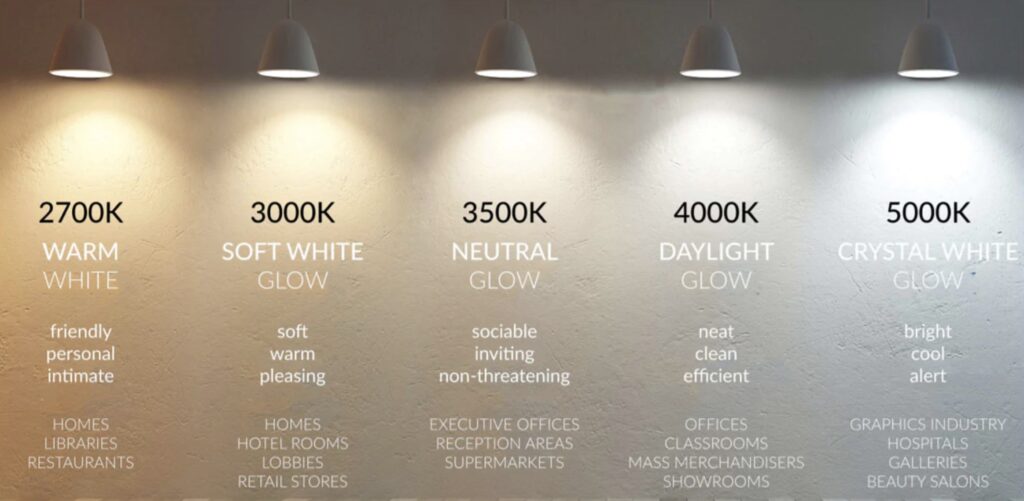
Despite advances in lighting technology, replicating the qualities of natural light remains a significant challenge. Artificial lighting systems can mimic some aspects of natural light, such as colour temperature changes, but they often fall short in delivering the full spectrum and dynamic range that natural light provides.
One solution has been the development of tunable white lighting systems, which can adjust their colour temperature throughout the day to mirror natural light.
However, these systems are complex and costly, and they still lack the full spectrum of light that natural sources offer. Furthermore, they cannot replicate the psychological and physiological benefits of being exposed to real sunlight and views of the outdoors.
Why Natural Light Remains Irreplaceable
While artificial lighting, particularly LEDs, plays a crucial role in modern workplaces, it cannot fully replace the benefits of natural light. The dynamic spectrum of natural light, its ability to regulate circadian rhythms, and its positive impact on mood and visual comfort make it an essential component of workplace design.
As businesses and architects continue to prioritise sustainability and employee well-being, the incorporation of natural light should remain a top priority. While technological advancements in artificial lighting can complement natural light, they cannot substitute it.
The challenge lies in designing workplaces that maximise exposure to natural light while using artificial light as a supportive, rather than primary, source of illumination.
In an era where productivity, health, and sustainability are more interconnected than ever, the value of natural light in the workplace cannot be overstated. It is not just a matter of preference or aesthetics but a critical factor in creating environments that support the well-being and performance of employees.