![The [RE]Search Co.](https://re-search.co/wp-content/uploads/2025/02/The-RE-Search-Co-Orange_Grey-png-350x51.avif)
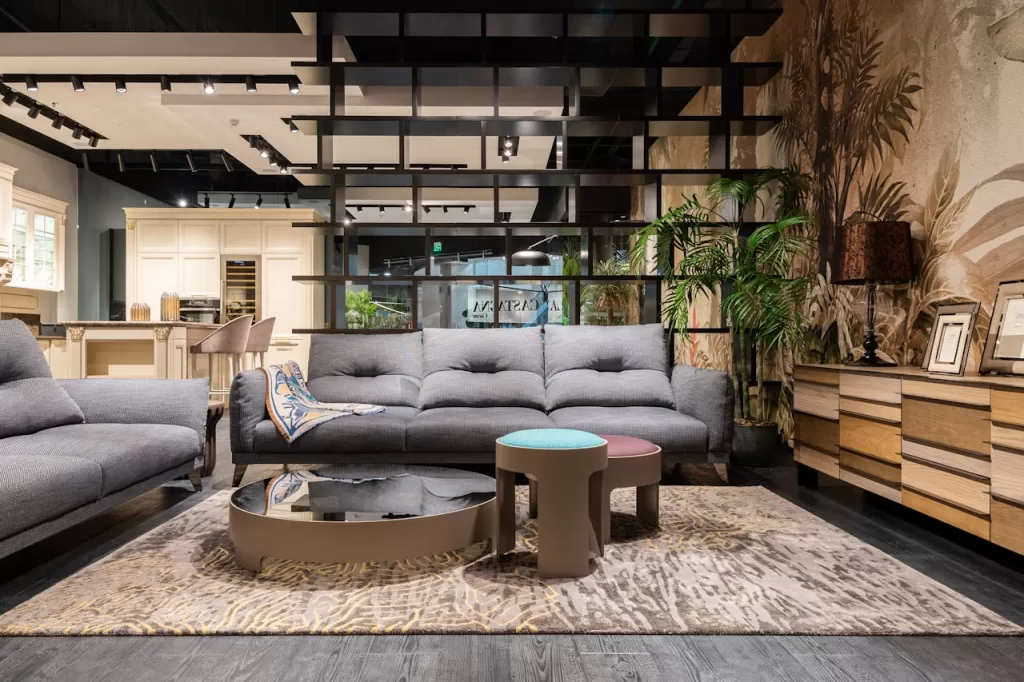
Companies are rethinking how their office spaces are designed and utilised and one of the most prominent trends in recent years is the growing influence of hospitality design in workplace environments.
This shift reflects changes in how people work, the increasing importance of employee well-being, and the need for businesses to stay competitive in attracting and retaining talent.
The following explores the key reasons why workplace design is increasingly influenced by hospitality design, and how this trend is shaping the future of office environments.
The Focus on Employee Well-being and Experience
One of the primary reasons for the influence of hospitality design in workplace environments is the heightened focus on employee well-being and experience.
In the hospitality industry, design is centred around creating comfortable, inviting spaces that promote relaxation and satisfaction. This approach is now being adopted by companies in their office spaces to enhance employee satisfaction, which in turn should lead to increased productivity and job satisfaction.
Comfort and Satisfaction
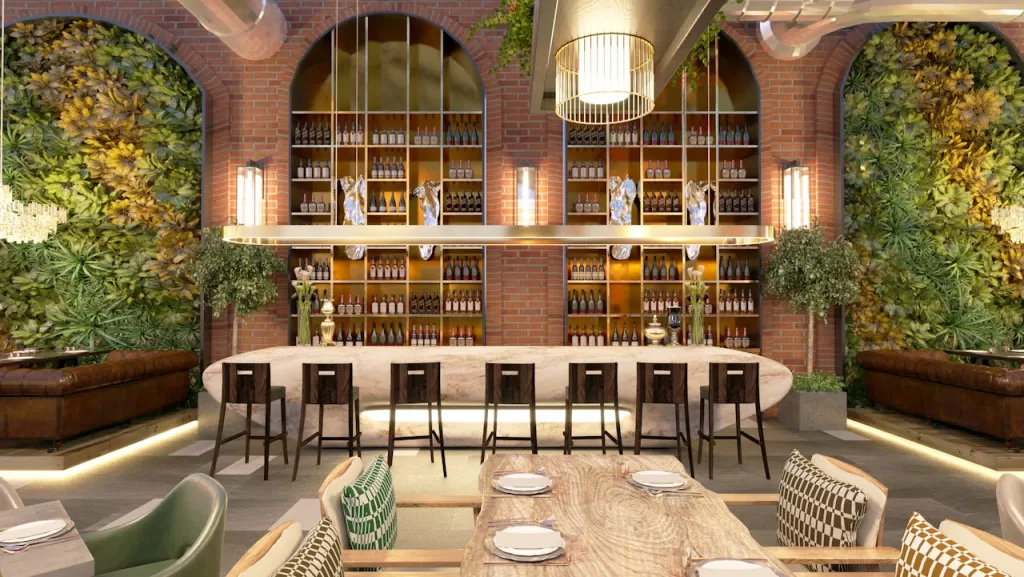
Hospitality design principles, such as comfortable seating, soft lighting, and aesthetically pleasing interiors, are increasingly being incorporated into office spaces. The aim is to create an environment where employees feel at ease and can perform at their best. By prioritising comfort, companies are recognising that a satisfied employee is a productive one. This shift towards more comfortable and visually appealing workplaces is a clear reflection of the influence of hospitality design.
Health and Wellness
The integration of health and wellness features, such as natural light, biophilic design, and ergonomic furniture, is another area where hospitality design is making its mark.
Biophilic design, which incorporates natural elements like plants and natural light, has been shown to reduce stress and increase overall well-being. Similarly, ergonomic furniture that supports good posture and reduces strain is becoming a standard feature in modern workplaces. These elements, borrowed from hospitality design, are helping to create healthier, more supportive work environments.
The Shift to Hybrid and Flexible Work Models
The rise of hybrid and flexible work models has further driven the adoption of hospitality design principles in the workplace. As the traditional nine-to-five office structure evolves, so too must the spaces where work happens.
Multi-functional Spaces
In hospitality settings, spaces are often designed to serve multiple purposes. For example, a hotel lobby may function as a check-in area, a meeting space, and a lounge. This concept is increasingly being applied to workplaces, where flexible, multi-functional spaces are becoming the norm. These spaces can easily adapt to different needs, whether it’s for focused individual work, collaborative team meetings, or informal social gatherings.

This adaptability is crucial in a hybrid work environment where employees may only be in the office part-time and require spaces that can accommodate various tasks.
Flexibility and Adaptability
The flexibility inherent in hospitality design is also influencing how office spaces are designed. Companies are recognising the need for workspaces that can easily be reconfigured to suit changing needs. Movable furniture, modular layouts, and spaces that can transition from open-plan to private areas are becoming more common. This flexibility not only supports the varied needs of a hybrid workforce but also fosters a more dynamic and creative work environment.
Attracting and Retaining Talent
In today’s competitive job market, attracting and retaining top talent is a key priority for businesses. The design of the workplace plays a significant role in this, and the influence of hospitality design is helping companies create environments that stand out.
Creating a Competitive Edge
Just as hotels and resorts strive to create memorable experiences to attract and retain guests, companies are leveraging hospitality-inspired design to appeal to potential employees.
A well-designed, aesthetically pleasing workspace can be a deciding factor for candidates choosing between job offers. By incorporating hospitality design elements, companies can create a unique and attractive work environment that sets them apart from competitors.
Emphasis on Community and Culture
Hospitality design often fosters a strong sense of community, something that is becoming increasingly important in workplace design. Spaces that encourage social interaction and collaboration, such as communal kitchens, lounges, and breakout areas, are being integrated into office designs. These areas help build a sense of community and support a positive company culture, which is key to retaining employees.
A strong workplace culture, reflected in the design of the space, can significantly contribute to employee satisfaction and loyalty.

Enhanced Collaboration and Social Interaction
Another reason for the growing influence of hospitality design in workplace environments is the emphasis on collaboration and social interaction. As businesses recognise the importance of teamwork and communication, they are designing spaces that facilitate these activities.
Informal Meeting Spaces
In hospitality settings, spaces such as lounges and cafes are designed for informal meetings and socialising. These types of spaces are now being incorporated into office designs to encourage spontaneous interactions and idea sharing among employees. Informal meeting spaces provide a relaxed environment where employees can collaborate, brainstorm, and connect, leading to increased creativity and innovation.
Social and Relaxation Areas
Incorporating social and relaxation areas into the workplace is another trend borrowed from hospitality design. Just as hotels provide guests with spaces to relax and unwind, workplaces are creating areas where employees can take breaks, socialise, and recharge.
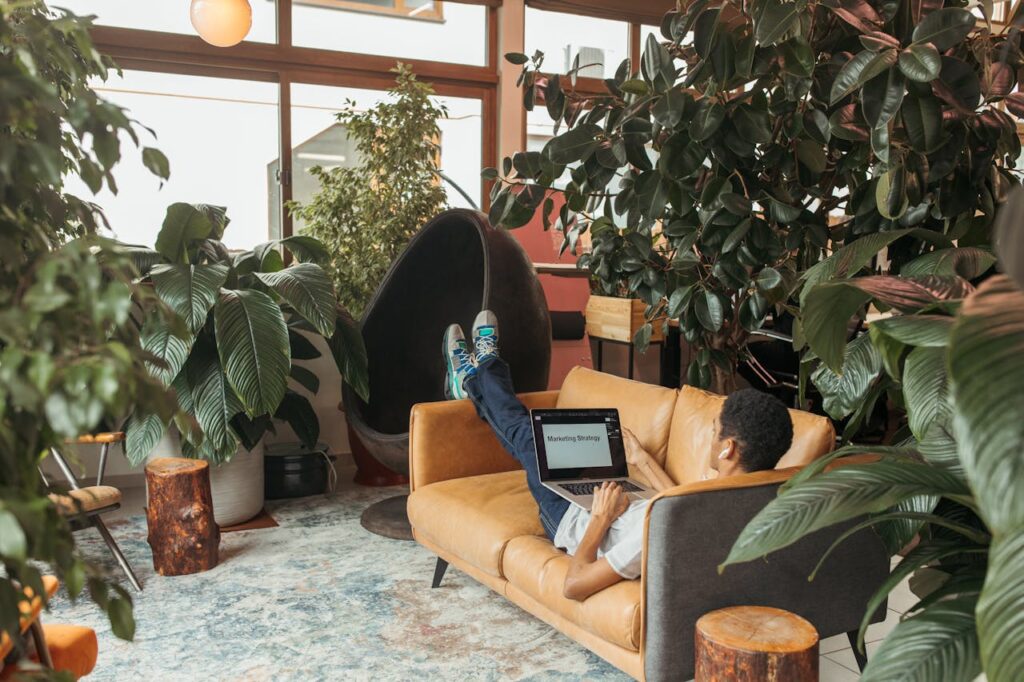
These spaces, which might include comfortable seating, greenery, and even elements like coffee bars or game rooms, help create a more relaxed and enjoyable work environment. By promoting a healthy work-life balance, these areas contribute to overall employee well-being and satisfaction.
Seamless Technology Integration
Technology is an integral part of both hospitality and workplace environments, and the seamless integration of technology is another area where the two industries intersect.
User-friendly Technology
In hospitality design, technology is often seamlessly integrated into the environment to enhance the guest experience. This approach is being adopted in workplace design to ensure that technology is user-friendly and supports employees in their work. From easily accessible communication tools to smart office systems that adjust lighting and temperature based on individual preferences, the goal is to create a seamless and efficient work environment that enhances productivity.
Branding and Identity
Workplace design is increasingly being used as a tool to reinforce a company’s brand and identity, a concept that has long been a staple of hospitality design.
Unique and Memorable Spaces
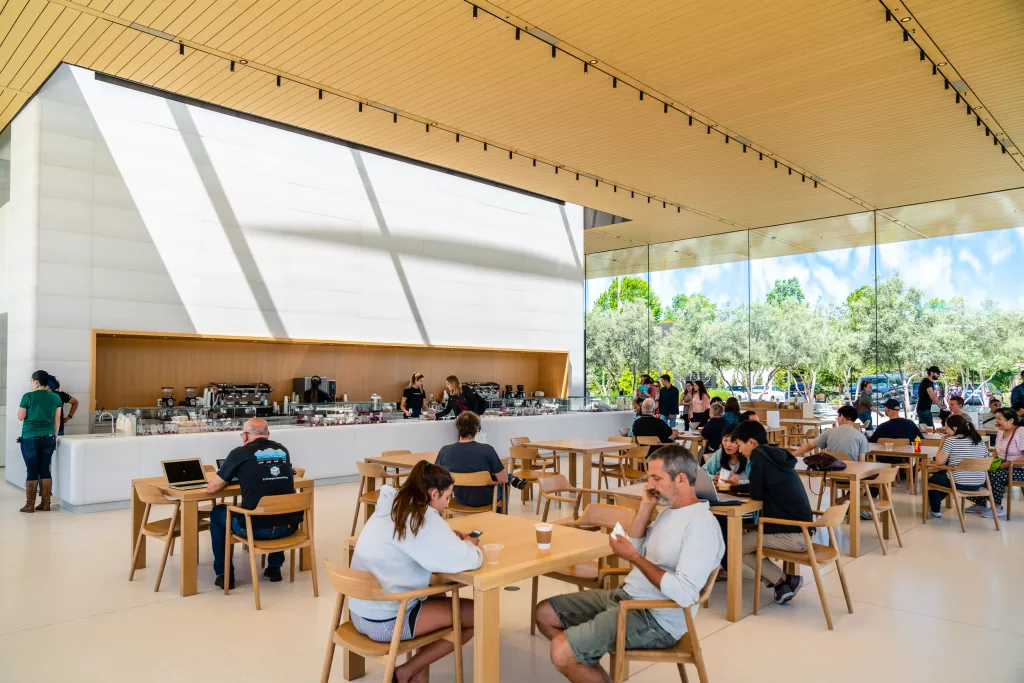
Just as hotels are designed to reflect the brand and create a memorable experience for guests, workplaces are now being designed to embody the company’s culture, mission, and values. The physical environment of an office can serve as a powerful representation of the brand, helping to communicate the company’s identity to employees, clients, and visitors.
By creating unique and memorable spaces, companies can strengthen their brand and create a sense of pride and connection among employees.
Sustainability and Environmental Considerations
Finally, the influence of hospitality design in workplace environments is also evident in the growing emphasis on sustainability and environmental responsibility.
Sustainable Design Practices
Many hotels and hospitality venues are designed with sustainability in mind, incorporating eco-friendly materials and practices. This approach is being adopted in workplace design to meet the growing demand for environmentally responsible work environments.
Sustainable design practices, such as using recycled materials, reducing energy consumption, and incorporating green spaces, are becoming increasingly common in office design. These practices not only reduce the environmental impact of the workplace but also appeal to employees who value sustainability and want to work for companies that share their values.

In Summary
The influence of hospitality design on workplace environments is undeniable. As companies continue to prioritise employee well-being, adapt to hybrid work models, and compete for top talent, the principles of hospitality design are helping to create more comfortable, flexible, and attractive workspaces.
By incorporating elements such as multi-functional spaces, user-friendly technology, and sustainable design practices, businesses can create environments that not only support productivity but also enhance the overall employee experience. As this trend continues to evolve, it is clear that the future of workplace design will be increasingly shaped by the principles of hospitality design.