![The [RE]Search Co.](https://re-search.co/wp-content/uploads/2025/02/The-RE-Search-Co-Orange_Grey-png-350x51.avif)

The pandemic has been a catalyst for profound changes in the way businesses operate. Among these changes, the rise of hybrid work also reshaped the concept of “Business as Usual” (BAU).
Traditionally, BAU referred to the seamless continuation of business operations following a major disruption, focusing on maintaining physical infrastructure, staff presence, and operational consistency.
However, the hybrid work model has introduced new dimensions to BAU, redefining how businesses maintain continuity in an increasingly digital and decentralised world.
The following looks at how hybrid work has altered the landscape of BAU and the challenges and opportunities it presents.
The Evolution of Business Continuity Planning
Before the pandemic, business continuity planning (BCP) primarily centred around physical assets and infrastructure. Businesses focused on safeguarding data centres, securing office spaces, and ensuring supply chain integrity to mitigate the impact of disruptions such as natural disasters or power outages. The goal was to protect these tangible assets to ensure that business operations could resume with minimal interruption.

However, the hybrid work model has shifted the focus from physical infrastructure to digital resilience. With employees working remotely, often from diverse locations, businesses must prioritise cloud-based solutions, secure remote access, and distributed networks.
The emphasis is now on ensuring that digital systems remain operational and secure, even when the workforce is dispersed. This shift has made digital resilience a core component of modern BAU, enabling businesses to continue functioning smoothly during disruptions.
Decentralised Workforce: A New Norm
The traditional concept of BAU assumed that employees would be physically present in a centralised office location. Business continuity plans often involved relocating staff to backup sites or rerouting operations to secondary locations in the event of a disruption. This approach relied heavily on the availability of physical space and the ability to move personnel quickly.
Hybrid work has fundamentally changed this assumption. With a decentralised workforce, businesses are no longer reliant on centralised physical locations. Instead, they must ensure that employees can remain connected and productive from any location. This decentralisation enhances resilience, as disruptions affecting one location no longer threaten the entire operation.
BAU strategies now focus on maintaining communication and collaboration across diverse locations, ensuring that operations can continue uninterrupted.
The Critical Role of Cybersecurity
In the traditional BAU framework, security was primarily managed within the confines of the office environment. This included physical security measures to protect on-site IT infrastructure and protocols to ensure data integrity within the corporate network. Cybersecurity was important, but the office environment provided a controlled space where security measures could be effectively implemented.
The hybrid work model has introduced new cybersecurity challenges that have become central to BAU. With employees accessing company systems from various locations, often using personal devices, the risk of cyber threats has increased significantly.
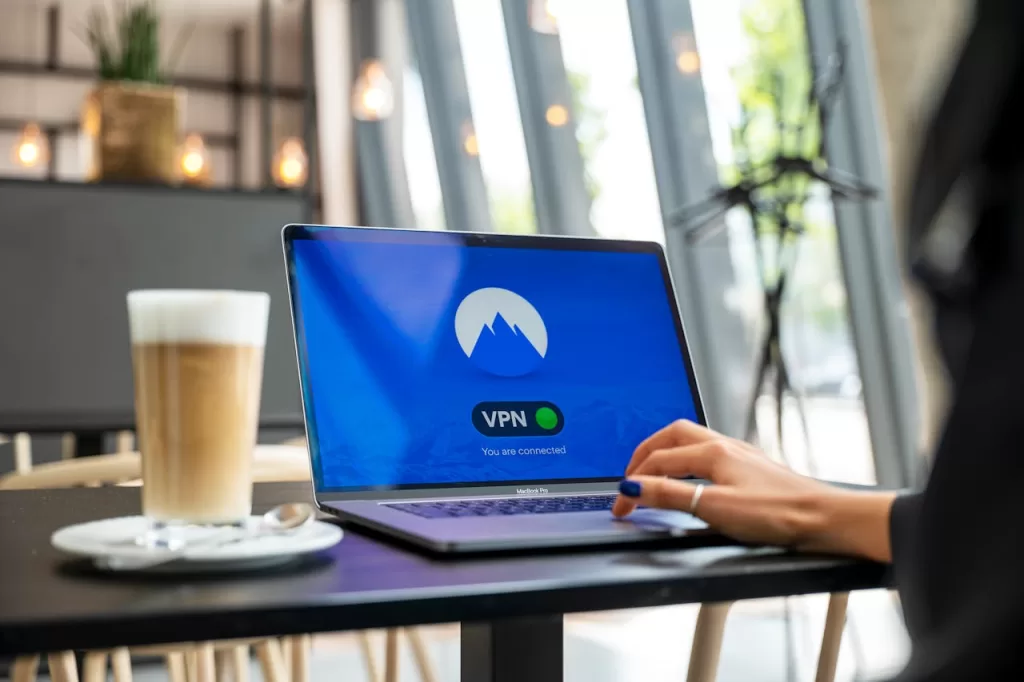
To maintain BAU in this environment, businesses must implement robust cybersecurity measures. This includes multi-factor authentication, virtual private networks (VPNs), and continuous monitoring of digital assets to protect against cyber threats. Cybersecurity is now an integral part of BAU, ensuring that business operations can continue securely, even in a hybrid work setting.
Flexibility and Adaptability: The New Operational Model
The traditional BAU approach was often rigid, with operations closely tied to physical presence and fixed schedules. Disruptions required quick adaptations, but the overall model was not designed for flexibility. Businesses had to rely on established routines and processes, making it difficult to pivot quickly in response to unexpected events.
Hybrid work has introduced a new level of flexibility into BAU. The ability to work from anywhere, combined with flexible hours, allows businesses to adapt more easily to disruptions. This flexibility is now a standard part of BAU, enabling companies to maintain operations with minimal interruption, regardless of the circumstances. Hybrid work has made adaptability a key feature of BAU, allowing businesses to pivot quickly in response to changing conditions.
Redefining Roles and Responsibilities
In the traditional BAU framework, roles and responsibilities during a disruption were often tied to physical locations. For example, IT teams might be responsible for managing on-site recovery efforts, while managers would oversee the relocation of staff to backup sites. These roles were clear and well-defined, based on the assumption that employees would be physically present to execute their tasks.
Hybrid work has redefined these roles to operate in a virtual environment. Today, teams are equipped to manage disruptions remotely, using digital tools to maintain communication and collaboration. This shift has required a reassessment of roles and responsibilities within the organisation.
Employees must be trained to operate effectively in a hybrid work environment, with a focus on maintaining critical functions through digital channels. This redefinition of roles is now a crucial aspect of BAU, ensuring that operations can continue smoothly, even when employees are working remotely.
The Rise of Collaboration Tools
Communication and collaboration are essential components of BAU. Traditionally, during a disruption, businesses relied on in-person meetings, phone calls, and email to keep key personnel informed and ensure that operations continued. These methods were effective when employees were centrally located, but they are less suited to a hybrid work environment.
The rise of collaboration tools like Microsoft Teams and Zoom has transformed how businesses maintain BAU in a hybrid work setting. These platforms enable real-time communication, file sharing, and project management, ensuring that all employees can stay connected and informed, regardless of their location.
Collaboration tools have become integral to BAU, providing the infrastructure needed to maintain seamless operations in a hybrid work environment.
Remote Work as a Permanent Fixture in BAU
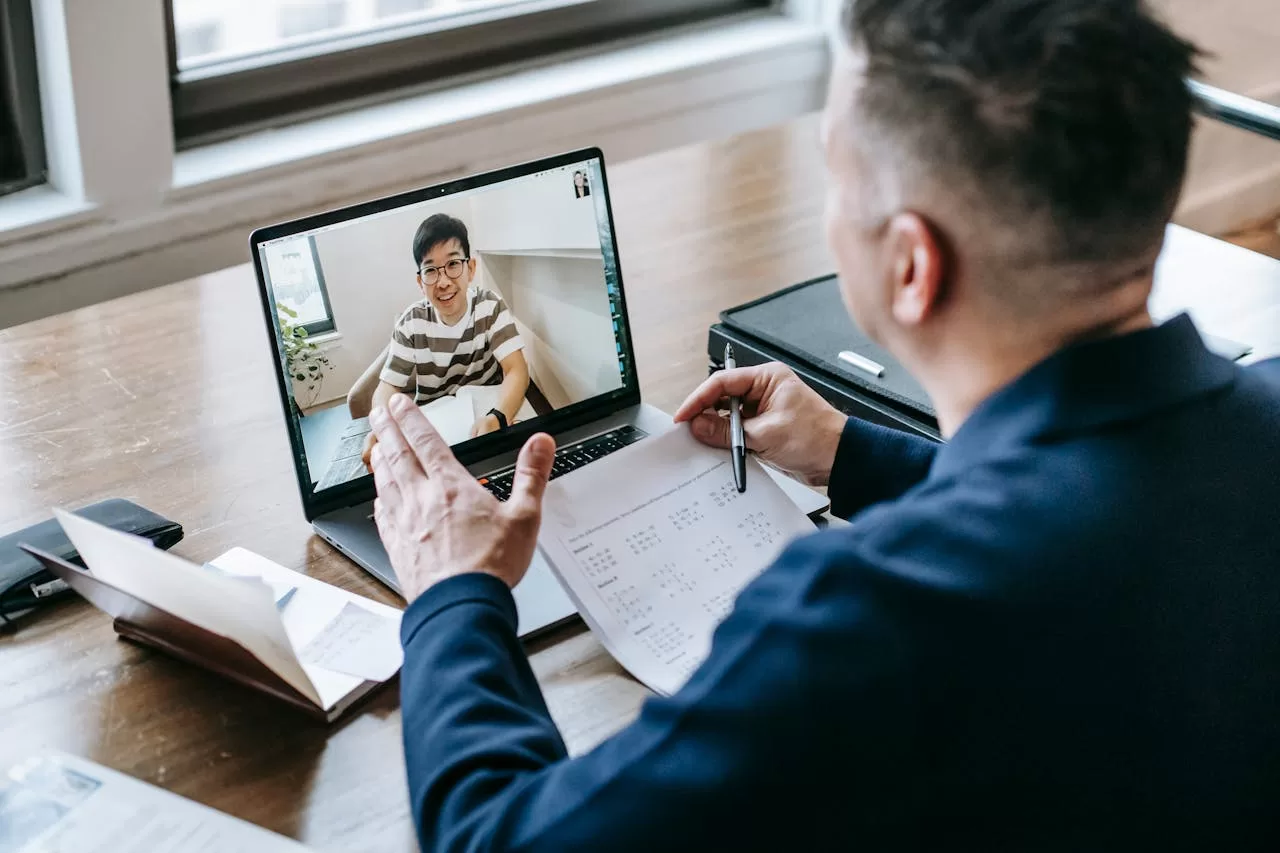
Remote work was once considered an exception, a temporary measure used during extreme disruptions like natural disasters or pandemics. However, the hybrid work model has made remote work a permanent fixture in BAU. Businesses have developed the capability to switch to fully remote operations almost seamlessly, making remote work an integral part of their continuity plans.
This shift has required businesses to invest in the necessary infrastructure to support remote work on a long-term basis. This includes cloud-based systems, remote access tools, and cybersecurity measures, all of which are now standard components of BAU.
The ability to operate remotely has become a key element of business resilience, ensuring that operations can continue smoothly, even when employees are not physically present.
Employee Well-being
In the traditional BAU framework, employee well-being was often considered after the immediate operational needs were addressed during a disruption. The focus was on ensuring that the business could continue functioning, with employee well-being addressed as a secondary concern.
Hybrid work has brought employee well-being to the forefront of BAU. With the blurring of work-life boundaries, businesses have recognised the importance of supporting employees’ mental and physical health during disruptions. This includes providing access to mental health resources, offering flexible work arrangements, and promoting a healthy work-life balance.
Employee well-being is now a key consideration in BAU, as a healthy and supported workforce is crucial to maintaining operations during disruptions.

Adapting to the New BAU
The rise of hybrid work has fundamentally changed the concept of Business as Usual. Businesses must now focus on digital resilience, decentralised operations, and flexibility to maintain continuity during disruptions. Cybersecurity, collaboration tools, and employee well-being have become central to BAU, ensuring that operations can continue smoothly, even in a hybrid work environment.
As hybrid work continues to evolve, businesses will need to adapt their BAU strategies to meet the challenges and opportunities of this new reality. Companies can enhance their resilience, ensuring that they are well-prepared for future disruptions.