Compact laminate has emerged as a versatile material that is gaining popularity for a variety of applications in commercial real estate, office design, the leisure industry or even residential projects. The following provides a guide to compact laminate and how it can be leveraged in various environments.
What is Compact Laminate?
Compact laminate is a high-density, self-supporting laminate product that is typically 2mm to 25mm thick. It is composed of multiple layers of kraft paper impregnated with phenolic resin, sandwiched between decorative surfaces treated with melamine resin. These layers are then subjected to high pressure and temperature, resulting in a dense, durable, and aesthetically pleasing material.
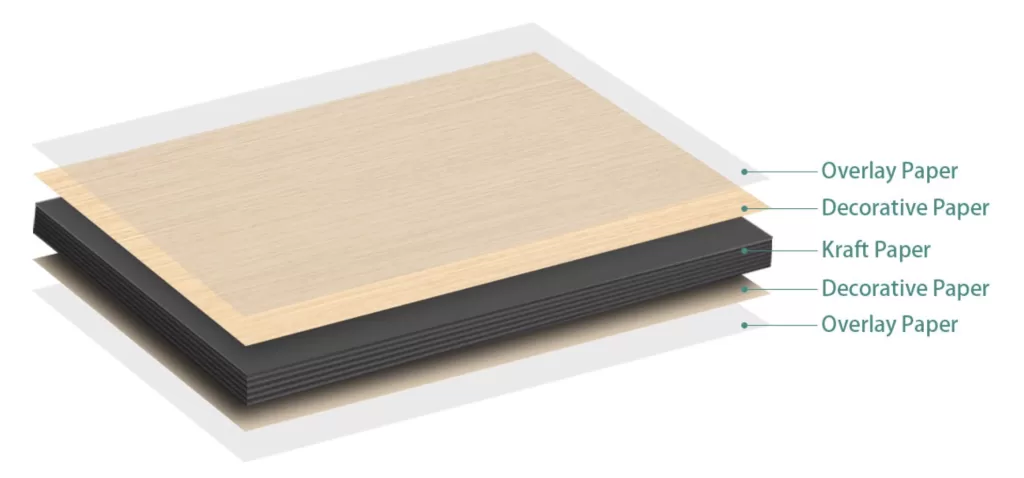
Unlike traditional laminate, which requires a substrate for support, compact laminate is solid and sturdy enough to be used independently. Its robustness makes it ideal for environments where durability and longevity are paramount, while its design flexibility allows for creative and customised applications.
Advantages of Compact Laminate
- Durability and Strength
One of the primary advantages of compact laminate is its exceptional durability. The high-density structure ensures that the material is resistant to impact, scratching, and wear, making it an ideal choice for high-traffic areas. Additionally, it is impervious to moisture, which prevents warping and delamination, issues commonly associated with other laminate types. - Hygienic and Easy to Clean
Compact laminate is a popular choice in environments where hygiene is crucial, such as healthcare facilities, laboratories, and kitchens. The non-porous surface does not harbour bacteria or mould, making it easy to clean and maintain. The material’s resistance to chemicals also means that it can withstand regular cleaning with harsh disinfectants without degrading. - Design Flexibility
Available in a wide range of colours, textures, and finishes, compact laminate offers unparalleled design flexibility. Whether you are looking for a sleek, modern look or a more traditional aesthetic, there is a compact laminate option to suit your needs. Additionally, the material can be customised with digital prints or patterns, providing endless possibilities for creative expression. - Weather and UV Resistance
Compact laminate is resistant to weather and UV rays, making it suitable for both indoor and outdoor applications. This characteristic ensures that the material does not fade or deteriorate when exposed to sunlight, maintaining its appearance and performance over time. - Fire Resistance
In environments where fire safety is a concern, compact laminate is an excellent choice. The material can be manufactured to meet specific fire resistance standards, making it suitable for use in public buildings, schools, and other areas where fire safety is paramount. - Sustainability
Many manufacturers of compact laminate offer environmentally friendly options that are made from sustainable materials and processes. This aligns with the growing demand for eco-conscious building materials, allowing architects and designers to meet sustainability goals without compromising on quality or performance.
Cost of Compact Laminate
The cost of compact laminate can vary depending on factors such as thickness, design, and manufacturer. Generally, it is considered a mid-to-high-end material due to its superior durability and performance.
- Price Range: On average, the cost of compact laminate can range from approx. US$50 to US$200 per square metre, making it more expensive than traditional laminate applied to a low-cost substrate but more affordable than solid surface materials like quartz or marble.
- Installation Costs: The installation of compact laminate can also add to the overall expense, especially if specialised cutting or edge detailing is required. However, the material’s longevity and low maintenance needs often offset the initial investment.
- Long-term Value: While the upfront costs may be higher, compact laminate’s durability and low maintenance requirements contribute to long-term savings, making it a cost-effective option over time.
Use Cases of Compact Laminate
- Office Partitions and Workstations
Compact laminate is increasingly being used in office environments for partitions, workstations, and even wall cladding. Its durability ensures that it can withstand the daily wear and tear of a busy office, while its design flexibility allows for the creation of a modern and cohesive workspace. Additionally, the material’s density and acoustic properties can help reduce noise levels, contributing to a more comfortable work environment. - Restroom Cubicles and Locker Rooms
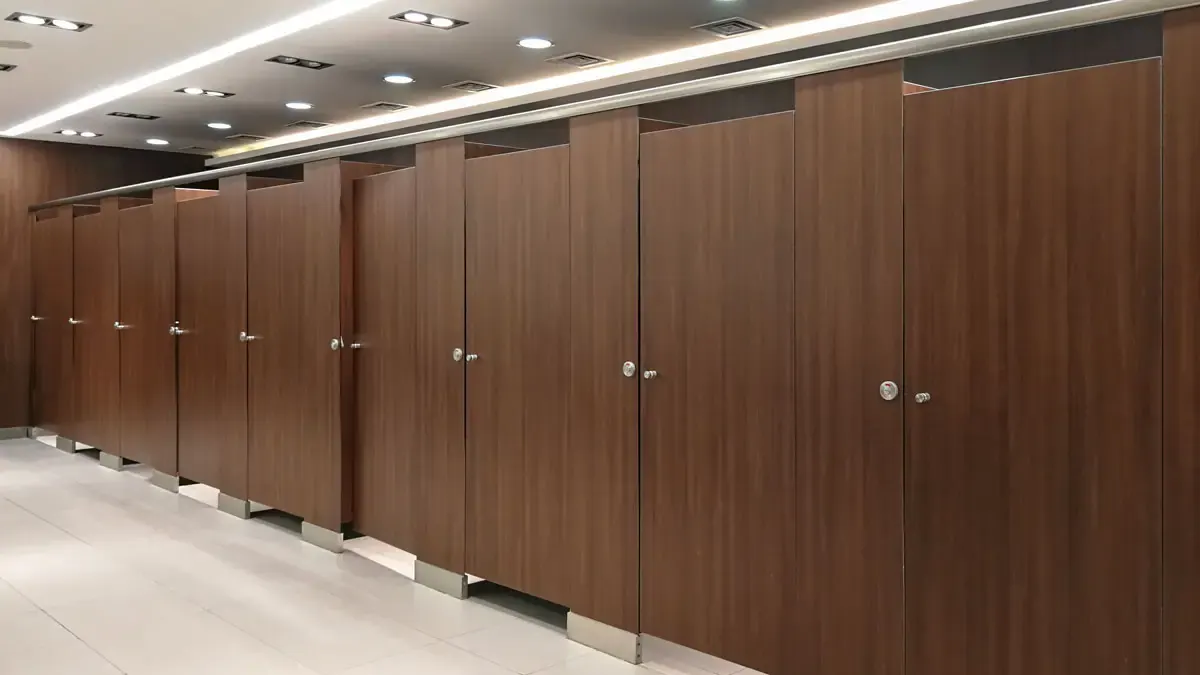
In commercial and public buildings, compact laminate is a popular choice for restroom cubicles, shower partitions, and locker rooms. The material’s moisture resistance and hygienic properties make it ideal for these wet and high-traffic areas, ensuring that they remain clean, safe, and durable over time. - Healthcare and Laboratory Surfaces
Compact laminate’s non-porous surface and resistance to chemicals make it a preferred material in healthcare settings and laboratories. It can be used for countertops, cabinetry, and wall cladding, providing a durable and hygienic surface that meets the stringent requirements of these environments. - Kitchen Countertops and Backsplashes
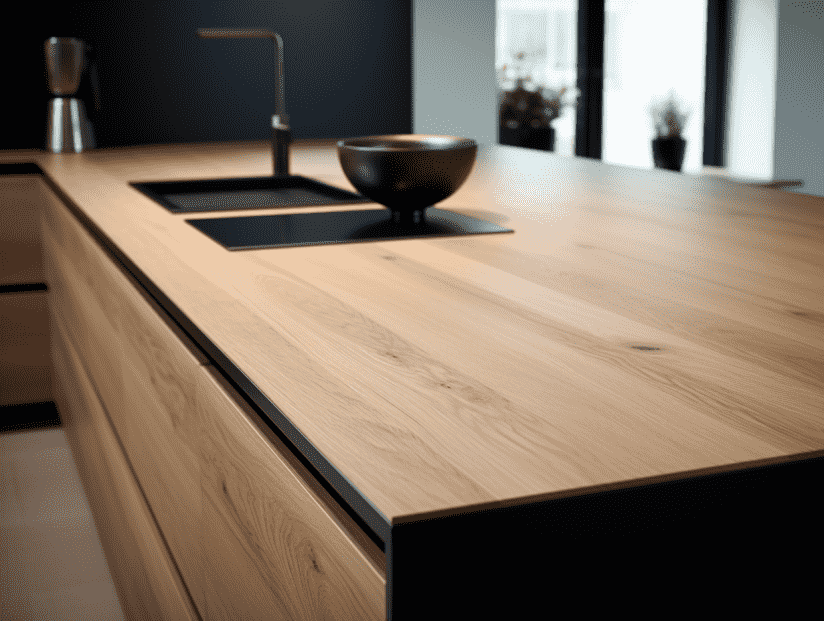
Compact laminate is an excellent choice for kitchen countertops and backsplashes, both in residential and commercial kitchens. Its resistance to moisture, heat, and staining makes it a practical and stylish option for food preparation areas. Additionally, its customisable design options allow homeowners and designers to create unique and visually appealing kitchen spaces. - Exterior Cladding and Facades
Thanks to its weather and UV resistance, compact laminate is also used for exterior cladding and facades. It provides a durable and low-maintenance solution that can withstand the elements while enhancing the aesthetic appeal of a building. The material’s wide range of colours and finishes allows architects to achieve the desired look while ensuring long-lasting performance.
In Summary
Compact laminate is a versatile, durable, and aesthetically pleasing material that is well-suited for a variety of applications, from office environments to healthcare facilities and residential kitchens. Its many advantages, including its resistance to moisture, impact, and chemicals, as well as its design flexibility, make it an attractive option for those seeking a high-performance material.
While the cost of compact laminate may be higher than traditional laminate, its longevity and low maintenance needs offer excellent long-term value.
As demand for durable, hygienic, and sustainable materials continues to grow, compact laminate is likely to become an increasingly popular choice in both commercial and residential projects.

Andy Willett
Founder of re-search, writing on leadership, sales and the workplace industry across Asia Pacific.