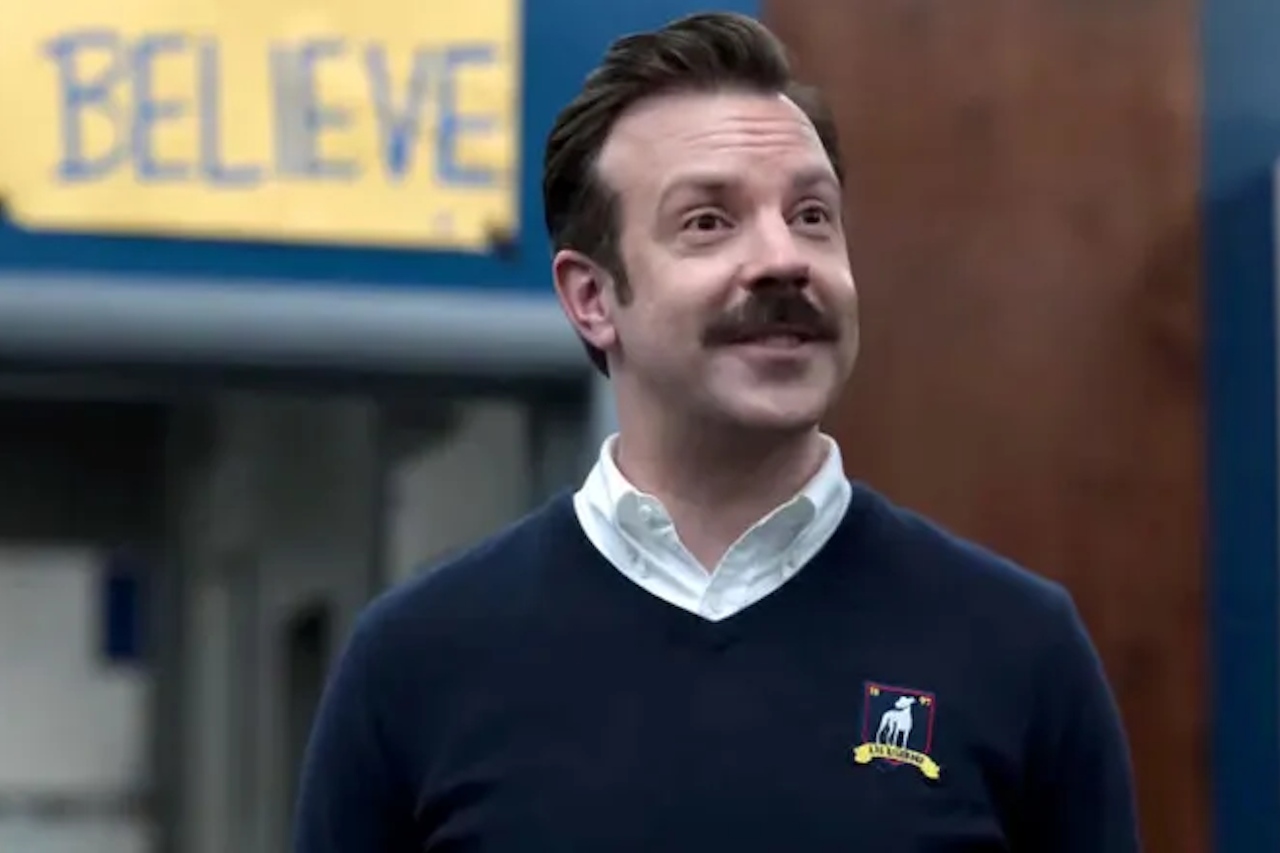
I read a Wall Street Journal article suggesting that Ted Lasso is a leadership masterclass, especially through his ability to ‘lift people up’. I really enjoyed the show’s first series and I’m looking forward to watching the new one. But the article did get me thinking on the topic of leadership and what good leadership looks like to us all.
Over the last 30 years I’ve worked for a number of senior leaders across several global organisations, and some were exceptional. They were commercially astute, decisive and capable of making difficult decisions under big pressure. You don’t reach those positions without having some remarkable strengths.
What struck me, though, is that many of those strengths seemed to coexist with equally obvious weaknesses.
It takes confidence to lead, and resilience to make unpopular decisions. It takes conviction to keep moving when others disagree. Those qualities are essential, and organisations quite rightly value them. But do they can come at a cost?
The higher people rise, the less honest feedback they tend to receive. Success reinforces behaviours, and over time it’s easy to become more certain of your own judgement than curious about the perspectives of others. It’s not arrogance in most cases, it can be a consequence of how senior leadership often works.
The weakness I noticed most wasn’t around business acumen or technical capability, it was something less tangible. The ability to genuinely ‘lift people up’.
That phrase probably sounds a little idealistic in today’s corporate world, but I think it’s one of the things teams value most in a leader. People want to feel trusted. They want to be challenged, developed and given opportunities they might not have believed they were ready for. They want someone who leaves them more capable than when they arrived. Yet somewhere along the way, that quality often seems to get lost in the forest of corporate leadership.
We celebrate leaders who deliver results, transform businesses and hit ambitious targets. We promote people because they’re commercially successful or operationally brilliant. All of those things matter, I’m just not sure we spend enough time asking what happened to the people around them.
Did the team become stronger, did individuals grow? Would those people choose to work for that leader again?
Working in recruitment now has reinforced this for me. When candidates talk about the best manager they’ve worked for, they rarely start with commercial achievements. They remember someone who backed them, invested in them, challenged them and helped them become a better version of themselves.
Perhaps that’s why Ted Lasso resonates with so many people. Not because it’s a lesson in football or even leadership theory, but because it reminds us of something many teams quietly crave: a leader who measures success not only by what the business achieves, but by what the people within it become.
Maybe that’s a measure of leadership we don’t talk about often enough.