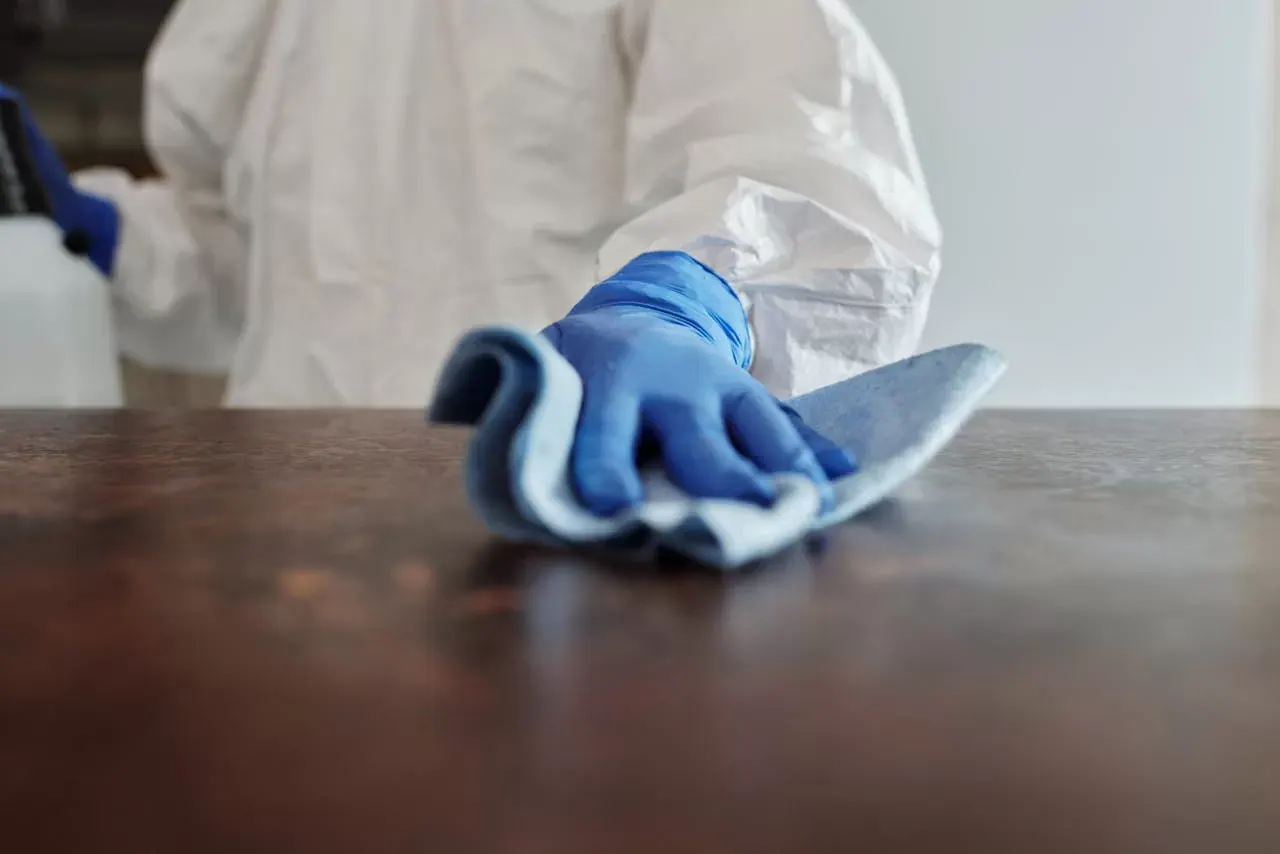
The COVID-19 pandemic reshaped many aspects of our daily lives, not least the workplace. Amid heightened fears of virus transmission, office furniture suppliers in particular quickly adopted antimicrobial surface treatments, materials, and fabrics as a key selling point.
These innovations promised to reduce the spread of pathogens in work environments, offering an additional layer of protection for employees returning to the office. But with the immediate threat of the pandemic subsiding, the question remains: was this technology just a temporary solution, or should it continue to play a role in our future office designs?
We explore the science behind antimicrobial surface treatments, consider their effectiveness, and discuss whether they should remain a priority in workplace furniture.
The Science Behind Antimicrobial Surface Treatments
Antimicrobial surface treatments are designed to inhibit the growth and spread of microorganisms, including bacteria, viruses, and fungi. These treatments can be applied to various materials, including plastics, metals, fabrics, and coatings used in office furniture. The primary goal is to create a hostile environment for pathogens, reducing their ability to survive and multiply.

- How Do They Work?
- Metal Ions: One common method involves incorporating metal ions, such as silver, copper, or zinc, into the material. These ions disrupt the cellular processes of microbes, leading to their death. Silver ions, in particular, are known for their broad-spectrum antimicrobial properties and have been used in medical settings for decades.
- Chemical Coatings: Some antimicrobial treatments use chemical coatings, such as quaternary ammonium compounds (quats), which are effective at breaking down the cell membranes of bacteria and viruses, causing them to die. These coatings can be applied to surfaces and fabrics, providing a protective barrier.
- Photocatalytic Processes: Another innovative approach involves photocatalytic materials that activate in the presence of light, producing reactive oxygen species that kill microorganisms. Titanium dioxide is a well-known photocatalyst used in such treatments.
- Effectiveness Against Pathogens
- The effectiveness of antimicrobial treatments depends on various factors, including the type of microorganism, the material used, and the environmental conditions. Laboratory tests have shown that many of these treatments can significantly reduce the presence of bacteria and viruses on surfaces. For example, studies have demonstrated that silver-ion-treated surfaces can reduce bacterial colonies by up to 99.9%.
- However, it’s important to note that antimicrobial treatments are not a panacea. They are most effective when used in conjunction with regular cleaning and disinfection protocols. Antimicrobial surfaces can slow the spread of pathogens, but they cannot eliminate them entirely. The level of protection they offer also diminishes over time, requiring reapplication or replacement of treated materials.
The Role of Antimicrobial Treatments During the Pandemic
During the height of the COVID-19 pandemic, the demand for antimicrobial office furniture surged. Companies sought to reassure employees returning to work by investing in furniture with antimicrobial properties. This included desks, chairs, and workstations with treated surfaces, as well as fabrics for seating and partitions.

- Peace of Mind or Effective Solution?
- For many businesses, the adoption of antimicrobial furniture was as much about providing peace of mind as it was about actual pathogen control. In an environment of heightened anxiety, offering tangible measures to reduce the risk of virus transmission was a key factor in encouraging employees to return to the office.
- The marketing of these products often highlighted their ability to kill or inhibit the growth of bacteria and viruses, tapping into the public’s fear of surface transmission. However, as our understanding of COVID-19 transmission evolved, it became clear that airborne transmission was the primary route of infection, reducing the perceived need for antimicrobial surfaces.
- A Temporary Trend?
- As the urgency of the pandemic waned, so did the demand for antimicrobial office furniture. Businesses began to question the long-term value of these treatments, especially as the risk of COVID-19 transmission decreased with widespread vaccination. The cost of antimicrobial treatments, which can be significantly higher than untreated alternatives, also became a consideration.
- Some industry experts argue that the focus on antimicrobial surfaces during the pandemic was a reactionary measure rather than a long-term solution. They suggest that while these treatments may have provided some benefit, their effectiveness in the context of a pandemic was limited, particularly given the emphasis on airborne transmission.
Should Antimicrobial Treatments Remain a Priority?
With the immediate threat of COVID-19 reduced, it’s worth considering whether antimicrobial surface treatments should continue to be promoted in office furniture.

- Future Preparedness
- One argument for the continued use of antimicrobial treatments is future preparedness. The COVID-19 pandemic has shown that new infectious diseases can emerge rapidly and have a profound impact on global health and economies. Antimicrobial surfaces could provide an additional layer of protection in future outbreaks, helping to reduce the spread of pathogens in work environments.
- Furthermore, antimicrobial treatments are not limited to pandemic scenarios. They can also help mitigate the spread of common illnesses, such as the flu or norovirus, in office settings. By reducing the presence of harmful microbes on surfaces, these treatments could contribute to a healthier workplace overall.
- Balancing Cost and Benefit
- However, the cost-benefit analysis of antimicrobial treatments is not straightforward. The higher cost of treated materials may not be justifiable for all businesses, particularly if the perceived risk of infection is low. Additionally, the effectiveness of these treatments over time can vary, meaning that ongoing maintenance or replacement may be required.
- Businesses should also consider the potential environmental impact of antimicrobial treatments. Some chemicals used in these treatments can be harmful to the environment, and there is a growing concern about the development of antimicrobial resistance. Therefore, companies must weigh the benefits of these treatments against their potential drawbacks.
- Holistic Approach to Workplace Health
- Rather than relying solely on antimicrobial surfaces, a holistic approach to workplace health may be more effective. This could include regular cleaning and disinfection, improved air filtration and ventilation systems, and encouraging good hygiene practices among employees. By combining these strategies with antimicrobial treatments, businesses can create a safer and healthier work environment.
- Additionally, as remote and hybrid working models become more common, the need for extensive antimicrobial treatments in offices may decrease. Companies may choose to invest in other areas of workplace design, such as creating more flexible and adaptable spaces that can accommodate changing work patterns.
Antimicrobial surface treatments in office furniture emerged as a quick response to the COVID-19 pandemic, offering a potential solution to reduce the spread of pathogens in the workplace.
While these treatments have demonstrated some effectiveness, their role in a post-pandemic world is less clear. As businesses evaluate the cost, effectiveness, and long-term benefits of antimicrobial surfaces, it is essential to consider a balanced approach to workplace health.
Rather than viewing antimicrobial treatments as a cure-all, they should be part of a broader strategy that includes regular cleaning, improved ventilation, and employee education. By taking a holistic view, companies can ensure that their workplaces are not only safer during future outbreaks but also healthier and more resilient in the long term.

Andy Willett
Founder of re-search, writing on leadership, sales and the workplace industry across Asia Pacific.