![The [RE]Search Co.](https://re-search.co/wp-content/uploads/2025/02/The-RE-Search-Co-Orange_Grey-png-350x51.avif)

As the world continues to adapt to the new normal brought about by the pandemic, more and more companies are embracing hybrid work models. This refers to a work setup that combines both in-office and remote work. This model not only guarantees workers’ safety but also affords flexibility and autonomy.
In Asia, several cities have taken the lead in embracing hybrid work models to ensure business continuity and sustain economic growth. The cities listed below were ranked based on their proactive measures to encourage flexible work arrangements, investments in digital infrastructure, and support for remote work policies.
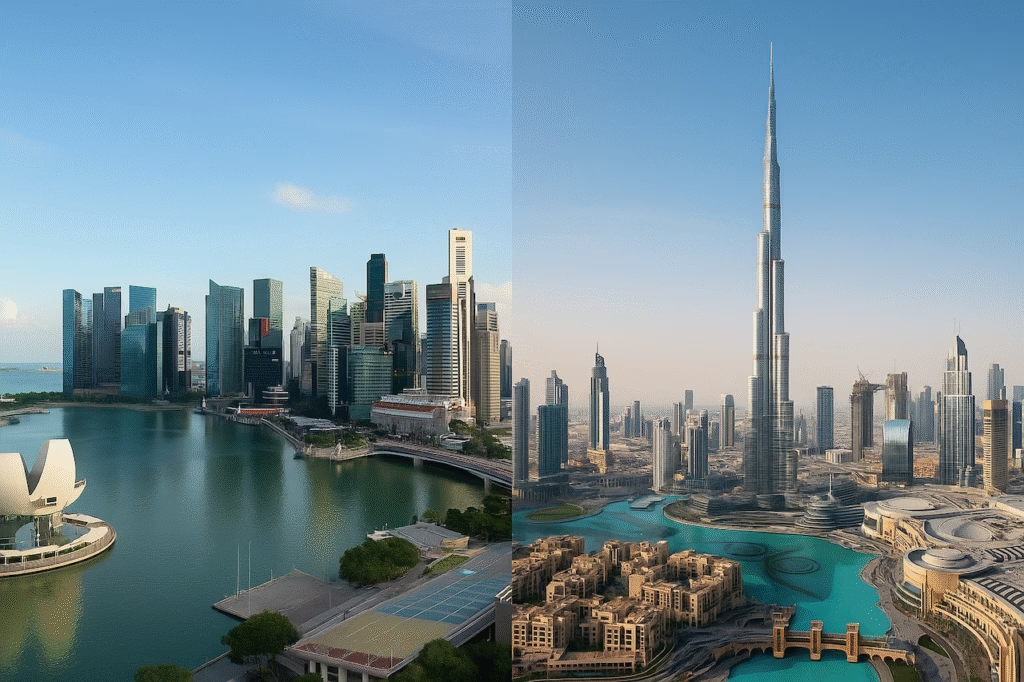
1. Singapore
Singapore is known for its innovation and technological advancement. As such, it’s no surprise that it’s leading the way in hybrid work models. The government has put in place policies that allow companies to adopt flexible work arrangements and introduced initiatives to help small and medium-sized businesses implement hybrid work models. This has greatly contributed to maintaining the country’s strong economic growth.
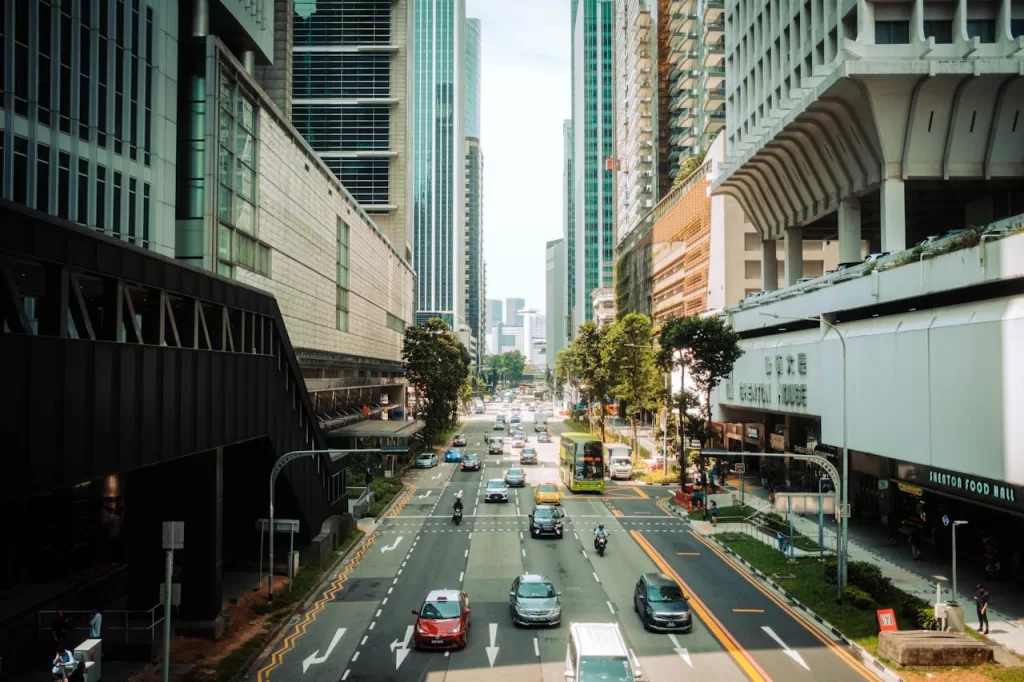
2. Tokyo
Tokyo is home to some of the largest companies in Japan and the world. In response to the pandemic, many of these companies have adopted hybrid work models to ensure business continuity without risking workers’ health. The government has also created incentives for companies to shift to a hybrid work setup, such as subsidies for remote work expenses.

3. Hong Kong
Hong Kong’s business district is one of the busiest in the world, and the pandemic has forced companies to rethink their work arrangements. The government has been actively encouraging the shift to hybrid work models to reduce congestion during peak hours and ensure social distancing measures are observed. This has also increased the demand for flexible workspaces.

4. Seoul
With a strong emphasis on work-life balance, Seoul has been quick to embrace hybrid work models. The South Korean government has introduced legislation to promote flexible work arrangements and has been investing in digital infrastructure to support remote work. Many companies have become more agile, adopting hybrid work models to ensure business continuity and attract and retain talent.

5. Taipei
Taipei has implemented various measures to promote a hybrid work culture. The Taiwanese government has made it easier for companies to adopt flexible work arrangements, such as offering subsidies to companies that provide remote work training programs. This has enabled companies to provide a work-life balance that meets their employees’ needs while continuing to operate successfully.
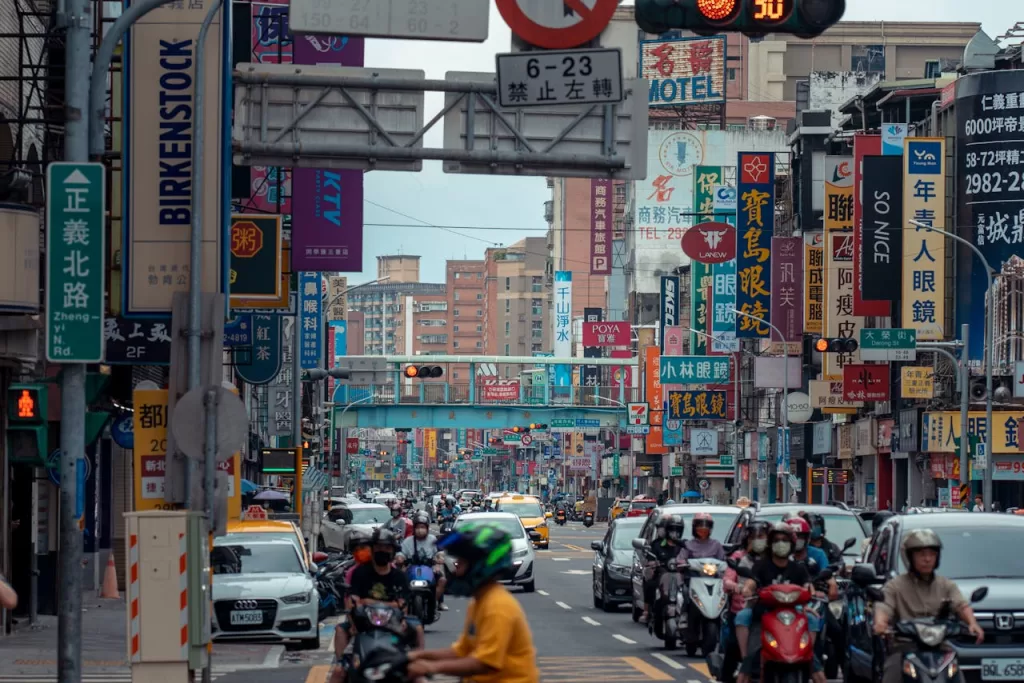
6. Shanghai
Shanghai, the financial hub of China, has embraced hybrid work models to ensure business continuity and address traffic congestion issues. The government has encouraged companies to implement flexible work arrangements and has invested in digital infrastructure to support remote work. This has attracted international businesses and professionals to the city.
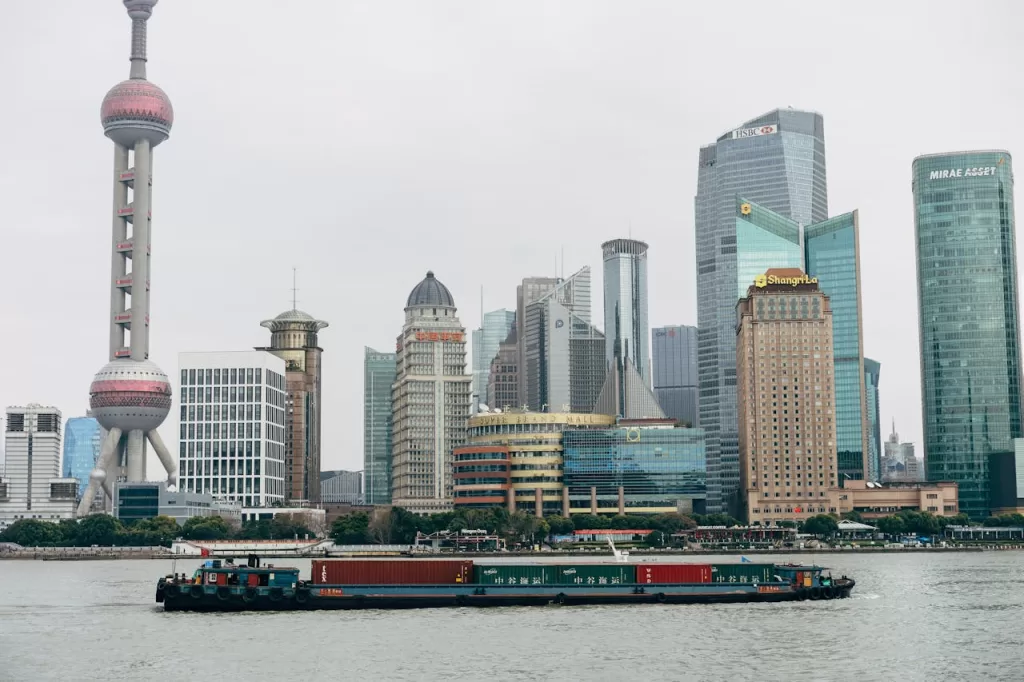
7. Bangalore
Known as the Silicon Valley of India, Bangalore has been quick to embrace hybrid work models in its thriving tech industry. Many companies have shifted to remote work arrangements to ensure the safety and well-being of their employees, while still maintaining productivity. The city’s strong digital infrastructure has facilitated this transition.

8. Kuala Lumpur
Kuala Lumpur, the capital of Malaysia, has seen an increase in hybrid work arrangements. The government has actively promoted the adoption of flexible work options and has invested in infrastructure to support remote work. This has led to a rise in the availability of co-working spaces and the establishment of remote work policies across various industries.

9. Mumbai
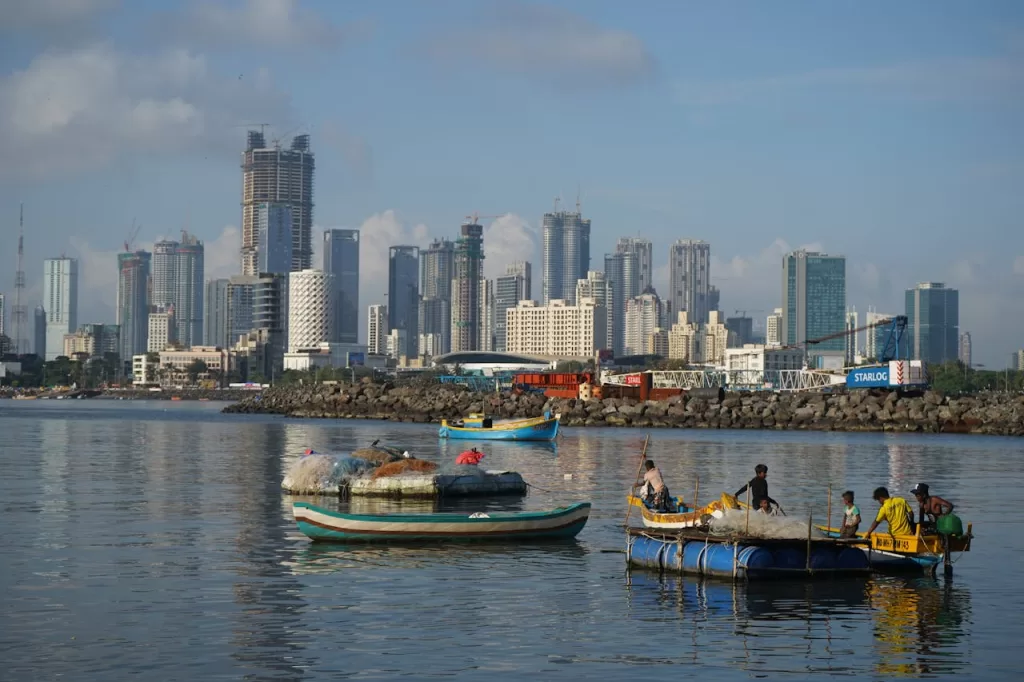
Mumbai, the financial center of India, has adapted to the changing work dynamics by embracing hybrid work models. Many financial institutions and companies in the city have implemented flexible work arrangements to ensure business continuity and provide a safe work environment. This shift has led to increased efficiency and reduced commute time for employees.
10. Jakarta
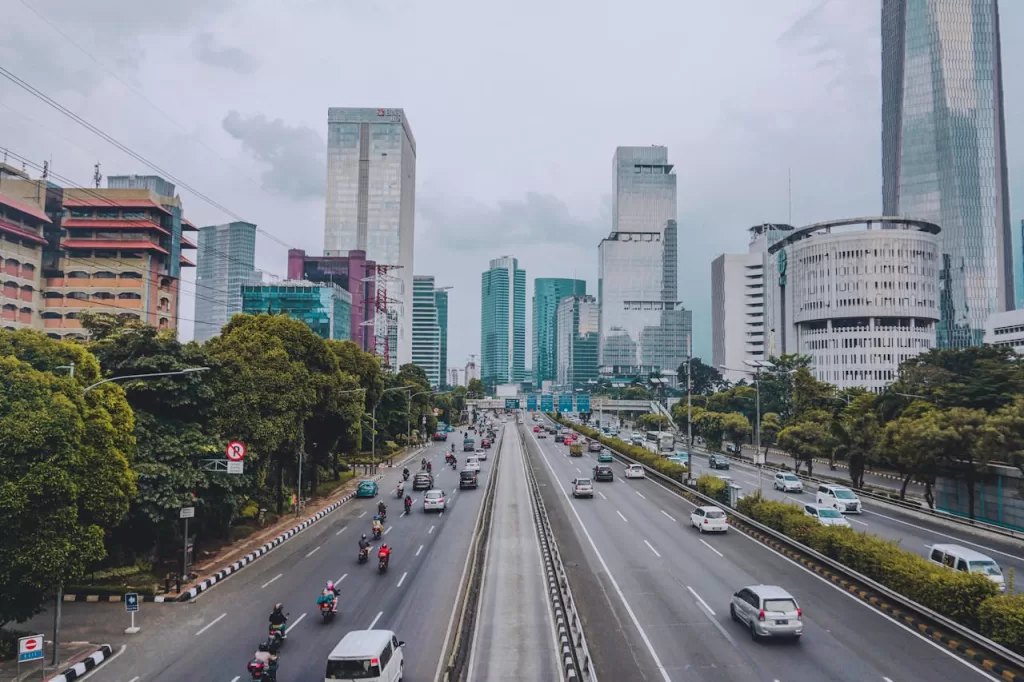
Jakarta, the capital of Indonesia, has seen a rapid adoption of hybrid work models. The pandemic has led to a shift in work culture, with companies adopting remote work arrangements to ensure the safety of their employees. The city’s government has also introduced incentives for companies to implement flexible work policies, including tax benefits and subsidies.
In conclusion, the pandemic has accelerated the adoption of hybrid work models globally. Companies in these ten cities have been proactive in embracing remote work arrangements to ensure business continuity and the safety of their employees. It is clear that hybrid work models will continue to be a key feature of the future of work in Asia.
*Data sources: The information provided in this ranking is based on a combination of government initiatives, industry reports, and news articles highlighting the efforts of these cities to embrace hybrid work models.