![The [RE]Search Co.](https://re-search.co/wp-content/uploads/2025/02/The-RE-Search-Co-Orange_Grey-png-350x51.avif)

When setting up a home office, one of the most important decisions you’ll make is choosing the right desk size. With more people working from home, finding a desk that fits your space, supports your workflow, and matches your design preferences is essential.
But what is the ideal desk size for a home office? The following will guide you through the factors to consider and help you find the perfect fit for your home workspace.
Understanding Your Space
The first step in choosing the best desk size for your home office is understanding the dimensions of the space you have available. Whether you’re converting a spare bedroom, utilising a corner of your living room, or transforming a small alcove into a workspace, the size of your desk needs to be proportional to the area.
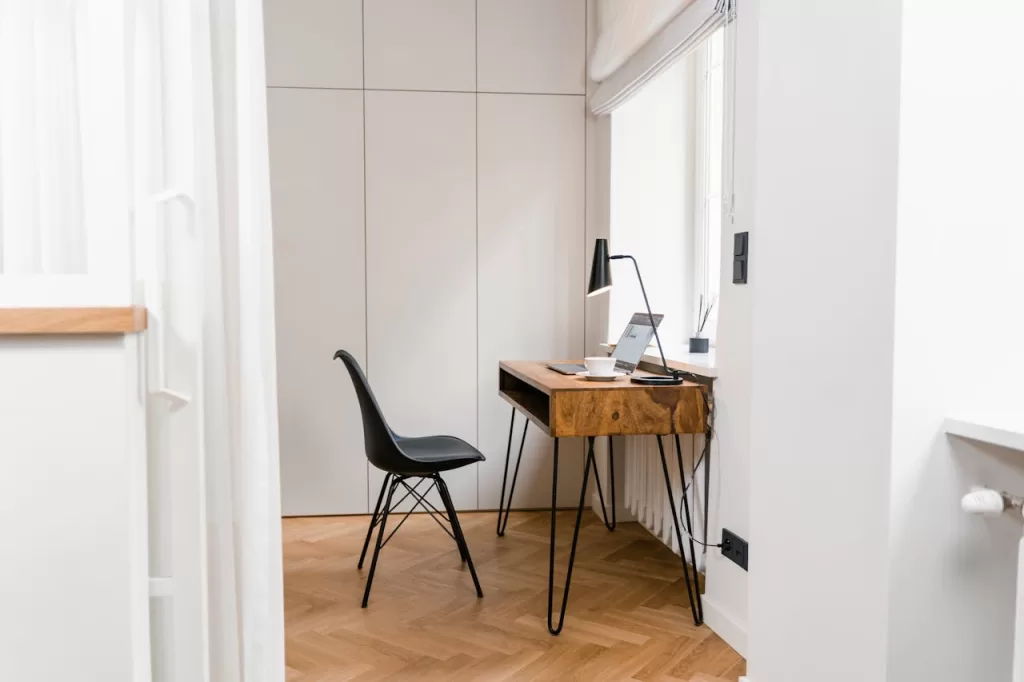
Measure Your Space: Before purchasing, measure the width, depth, and height of the area where your desk will be placed. Remember to leave enough space for your chair to move comfortably and for any additional furniture or storage solutions you might need.
Room Layout: Consider the room layout and how your desk will fit within it. If your workspace is in a shared room, think about how your desk’s size and placement will impact the flow and functionality of the space.
Standard Desk Sizes
Desks come in various standard sizes, but the most common dimensions are:
- Width: 120 cm to 160 cm (48″ to 63″)
- Depth: 60 cm to 80 cm (24″ to 32″)
- Height: 72 cm to 76 cm (28″ to 30″)
These measurements provide a general guideline, but your needs and preferences will ultimately determine the best size.
Desk Size Based on Functionality
The desk size you choose should align with the type of work you do. Here’s a breakdown of the best desk sizes based on different functions:
1. Writing Desks
If your work primarily involves writing, reading, or minimal computer use, a smaller desk may be sufficient. Writing desks are often narrower, with a width of around 100 cm to 140 cm and a depth of 50 cm to 60 cm. These desks are perfect for those who need a simple, clutter-free workspace.
2. Computer Desks
For those who work extensively on a computer, a larger desk is usually necessary. A width of 140 cm to 160 cm and a depth of 60 cm to 80 cm provides enough space for a computer monitor, keyboard, mouse, and additional peripherals like a printer or scanner.

3. Executive Desks
If you need ample workspace for multiple tasks, an executive desk might be the best option. These desks are typically larger, with a width ranging from 160 cm to 200 cm and a depth of 70 cm to 90 cm. Executive desks are ideal for professionals who require space for documents, office supplies, and multiple monitors.
Considering Ergonomics
Ergonomics plays a vital role in choosing the right desk size. An ergonomic desk setup can prevent discomfort and long-term health issues like back pain or carpal tunnel syndrome.
Desk Height: The standard desk height is usually around 73 cm to 76 cm, which suits most people. However, if you’re taller or shorter than average, you might need to adjust your chair or consider a height-adjustable desk.
Legroom: Ensure that your desk offers sufficient legroom. A desk depth of at least 60 cm is recommended to provide enough space for your legs and to prevent strain while sitting.
Monitor Placement: Your monitor should be at eye level, with the top of the screen at or slightly below your eye line. A desk depth of 70 cm to 80 cm is ideal for placing your monitor at the correct distance from your eyes.
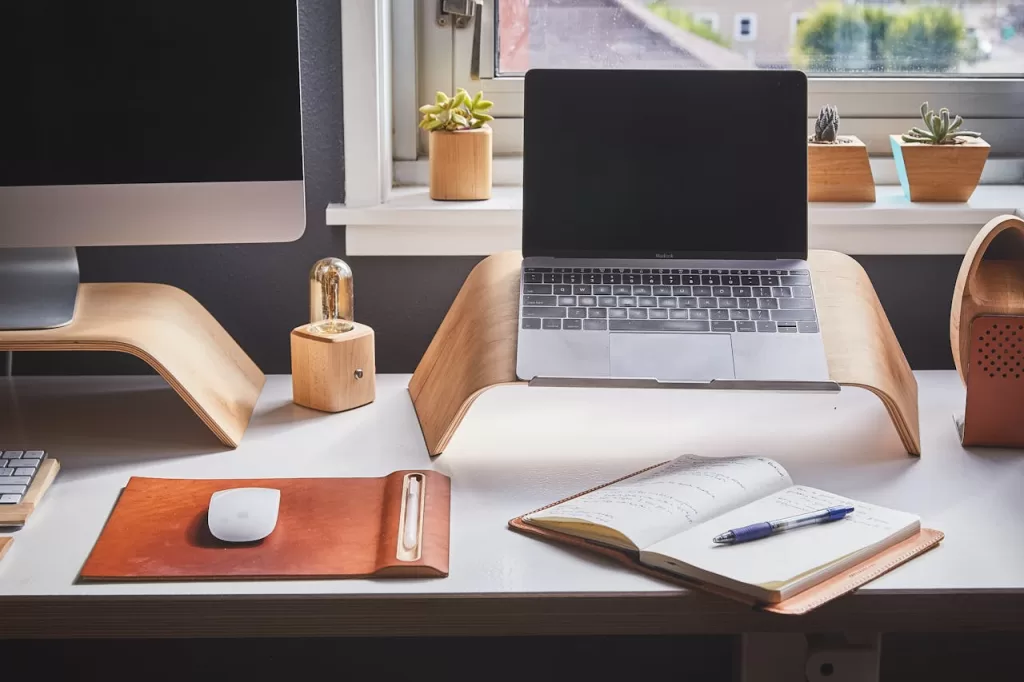
Small Space Solutions
For those working with limited space, finding the right desk size can be challenging. Here are some tips for maximising your workspace:
1. Corner Desks
Corner desks are an excellent solution for small spaces. They fit neatly into the corner of a room, making efficient use of otherwise underutilised areas. A corner desk typically has a width of 120 cm to 140 cm and a depth of 60 cm to 80 cm on each side, providing ample workspace without overwhelming the room.
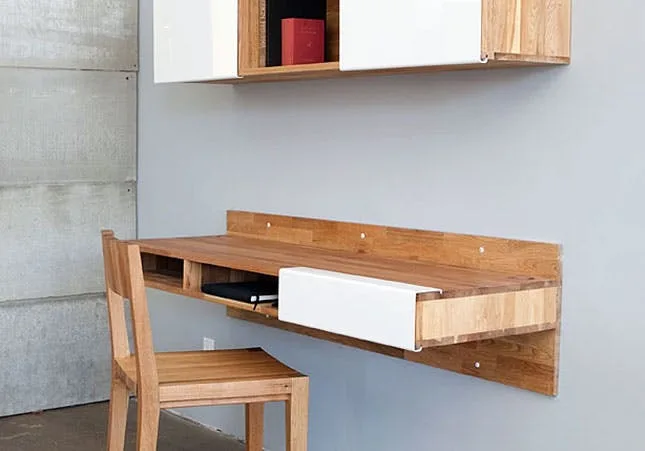
2. Wall-Mounted Desks
Wall-mounted desks, also known as floating desks, are perfect for very tight spaces. These desks are fixed to the wall and take up minimal floor space. They usually have a width of 80 cm to 120 cm and a depth of 40 cm to 60 cm, making them ideal for light work or as a secondary workspace.
3. Folding Desks
If your home office doubles as another room, a folding desk might be the best option. These desks can be folded away when not in use, freeing up space. A folding desk typically has a width of 100 cm to 140 cm and a depth of 50 cm to 60 cm, providing a compact yet functional workspace.
Custom Desk Sizes
If standard desk sizes don’t meet your needs, custom-made desks offer a solution tailored to your specific requirements. Custom desks allow you to choose the exact width, depth, and height that fits your space and work style. This option is particularly useful if you have an irregularly shaped room or unique ergonomic needs.
Aesthetic Considerations
While functionality and ergonomics are crucial, the aesthetic appeal of your desk is also important.
Material: The material of your desk can significantly impact the look and feel of your workspace. Wooden desks offer a classic and warm aesthetic, while metal or glass desks provide a more modern and sleek appearance.
Colour: Choose a colour that harmonises with the rest of your home office decor. Lighter colours can make a small space feel larger, while darker colours add a touch of sophistication.
So im summary, choosing the best desk size for your home office involves balancing your space, work needs, and personal preferences. Whether you need a compact writing desk, a spacious executive desk, or a custom solution, considering the factors outlined above will help you find the perfect fit.