I was just reflecting on the offices of today vs the offices of the late 90’s when I started out in Asia. Recalling a typical office of say 1999 and comparing it to the user experience of what we would consider a relatively progressive office of 2024. Which would I prefer today?
Having been ‘in the business’ of creating offices for Corporate Multinational over the years I have been a keen witness to the evolution of office planning and design over the last quarter of a century. An evolution accelerated by events such as the Global Financial Crisis (GFC) and more recently the Global Pandemic.
Office planning in Asia Pacific through the 1990’s was heavily influenced by North American office standards that emerged and proliferated during the dotcom era, with modular panel systems becoming the default go-to solution. Europeans did not adopt panel systems quite to the same extent.
System furniture suppliers at that time waxing lyrical on the virtues of the true future-proof flexibility of their systems coupled with best-in-class cable management in the cable-heavy days before wifi and mobile data was commonplace.
The radical concept in office planning at that point in time was the open plan ‘bench’ versus the traditional ‘L-shape’ or even the ‘120-degree’ desk cluster. With benching made possible by flat-screen monitor technology (no more wasted corner space just for CRT monitors) and with ‘paperless’ becoming a massive buzzword of the day, we could potentially reduce storage requirements too.
And what if folks could be persuaded to give up their personal desks; we could then also do away with under-desk drawer pedestals in favour of space-saving lockers? Corporate real estate teams and their consultant advisors were getting excited about the possibilities to reduce real estate costs through more efficient space planning and of course reduced Capex. A simple bench and lightweight screen is of course fundamentally cheaper than a panel system desk with under and over-desk storage.
However, ‘hot-desking’, ‘flex-working’, ‘hoteling’ or ‘activity based’ (pick your favourite buzz-word) struggled to gain traction in the early days. To move in that direction involved huge efforts around change management, convincing senior business leaders, plus CEO’s were perhaps hesitant to get fully on board as there was no urgent financial necessity to take that risk and rock their own boat. Most cases for change in those days were made around driving positive shifts in corporate culture and user behavior.
But during the GFC everything suddenly changed, this time with the banking sector leading the way. CEO’s were now keenly listening as potential real estate savings off their bottom lines were within reach. They no longer had to sell a flex-work concept to their people, it was now simply essential and a matter of saving jobs and of corporate survival.
So there we were, post-GFC in a new world of open plan and activity-based workplace principles with End-Users, Consultants, Designers and Suppliers all busily working away together to forever fine-tune concepts, looking for those elusive, perfect office solutions. Striving to balance collaboration with privacy, increase user productivity whilst trading personal space for perks borrowed from the pioneering tech world such as cool breakout spaces and concierge services so that (maybe) you would never want to leave the office building.
But throughout those years, technology was also quietly changing our lives – the Blackberry for example was assigned to history and the Smartphone became truly prevalent. And not just for those who traveled or who were out on the road, but for absolutely everyone. The way we operate, communicate, interact and collaborate is totally different now vs 1999.
Then roughly 10 years after the GFC, along came Covid-19, turning our working world upside down once again.
An interesting thought when it comes to the Pandemic is how would things have been different if it had hit several years earlier? How would we all have coped in terms of being able to switch to remote working without the necessary tech?
Collaboration technology tools made huge strides over the Pandemic years, with all of us now being totally comfortable with video conferencing – certainly not the case prior to 2020.
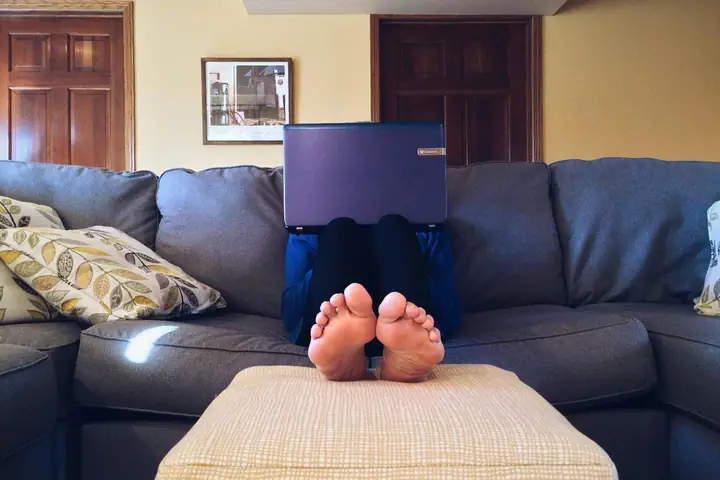
And this also changed how we plan, design and use offices too, making remote or hybrid work models possible and completely normal, with far fewer organizations now demanding full time physical attendance for everyone.
Interestingly though, over the last couple of years I’ve seen corporate end-user clients become extremely focused on office acoustics and the management thereof, definitely far more so than in the past. Why is this, have we all lost the ability to tune-out noise in the office context? Maybe. Perhaps because working from home meant we could mostly control our environment or find quiet focus time (I know some found that challenging) making us more sensitive to noise now during times of concentration or focus?
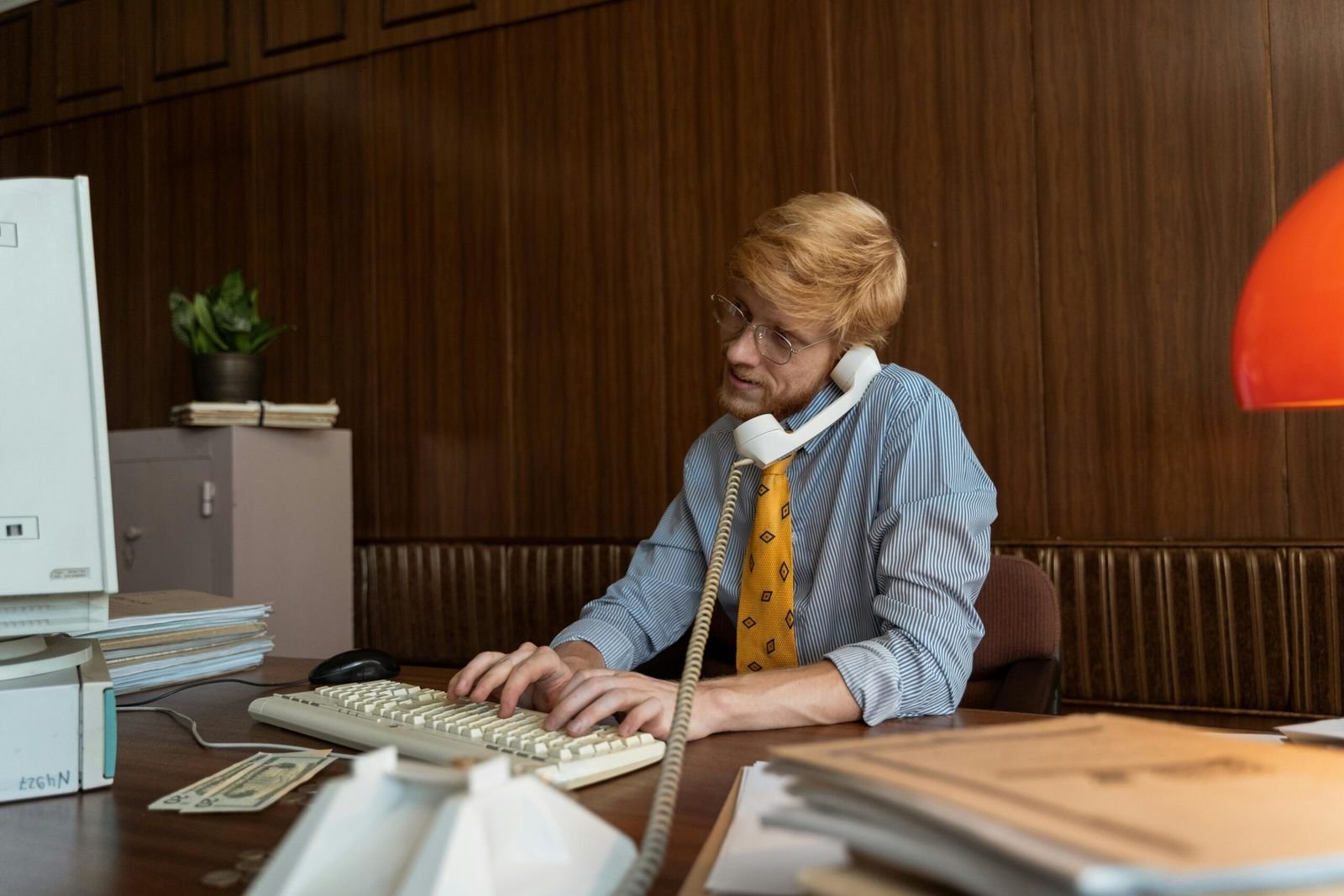
But I believe advances in technology played a part in our conditioning or rather ‘unconditioning’ to noise too. In 1999 we were all tethered to our desks by a telephone landline and more often than not a desktop PC, and the use of mobile phones and laptops was minimal, it was too costly! We couldn’t just step away into a meeting room or a phone booth to make or take a call as we can now. So the general hubbub and higher noise levels in an office was ever-present, background noise that we would just learn to tune-out. Have we become over-sensitive now, so that every overheard phone call or conversation has become a distraction and an irritant, destroying our focus? Most likely.
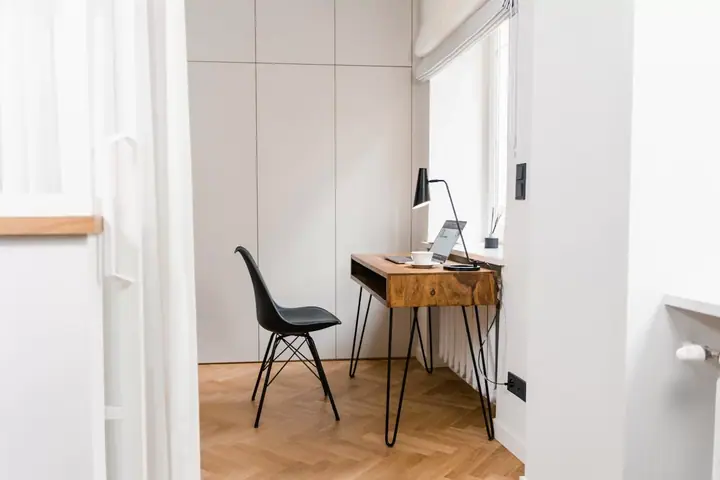
And as a result, Corporate Real Estate professionals have had to react to address feedback and concerns – in order to try and get people back in the building. Interestingly, office furniture manufacturers have been racing to address and serve a relatively new but burgeoning market for phone booths and small stand-alone meeting room solutions.
But to answer my initial question, was it better in 1999? I would say not really. We still have a lot to figure out around post-pandemic solutions and the workplace industry is still very much finding its way through, but I think the future technological possibilities are incredibly exciting and evolving far quicker than it ever did in the 90’s. And armed with a laptop and a mobile phone (and genuinely paperless!), most of us generally get to pick where we set up for the day – unheard of in 1999. I look forward to seeing what planning, design and technology solutions are on the horizon – in support of however we choose to work..

Andy Willett
Founder of re-search, writing on leadership, sales and the workplace industry across Asia Pacific.