The big furniture manufacturers aren’t as interested in selling you desks these days.
Up until 15-20 years ago, when an invitation to bid or tender was issued, the market-leading office furniture brands would be focused on going after the large packages, typically the system furniture (panels and desks), storage and task seating. Particularly in the Asia Pacific context where the big brands in most cases sell direct in the main markets, ie. not operating through dealers.
The ‘loose furniture’ package as it was referred to in those days was often just an afterthought, no big deal if others pick that portion up as the money was made in the main packages and it kept the main factory productions lines fed.
Loose furniture packages were generally served by specialist dealers who had multi-supplier relationships and could therefore better address the Designers intent.
But over time this began to change. As the cubicle workstation fell out of favour and offices became open plan, the humble workstation essentially was boiled down to a worktop with legs. Making it much harder to differentiate vs the competition, becoming a fraction of the cost of a cubicle and also becoming commoditised through fierce competition, driving prices down across the board.
Motorised height adjustable desks sought to change this but the extra margins were short-lived as a plethora of regional players pushed prices down once more.
Great for the consumer but unsustainable for the big brands who had substantial factories around the world to feed.
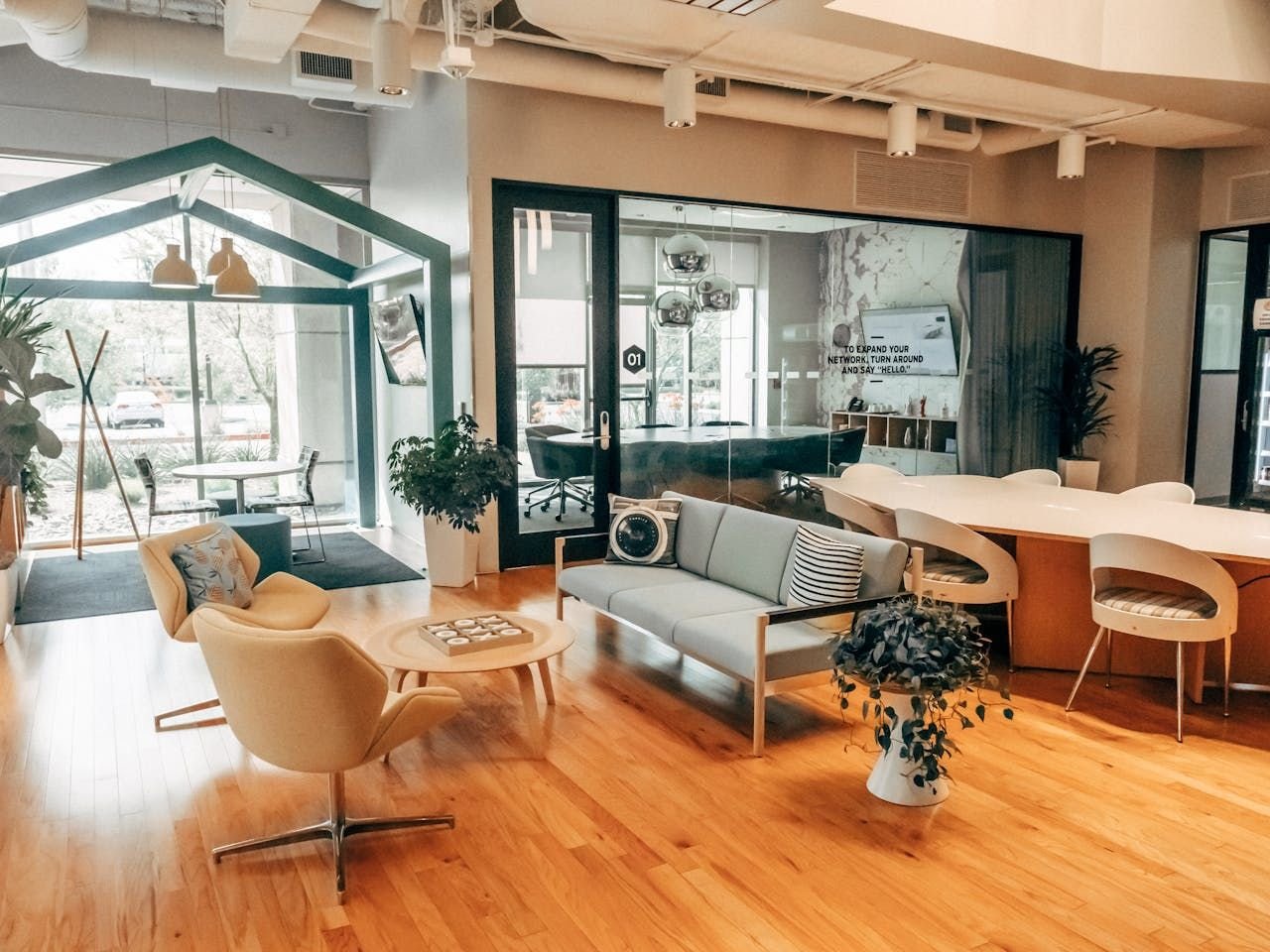
So what did the big brands do? Adjust their strategies to lead with loose furniture in order to claw back profit margins. But the term ‘loose furniture’ was a bit unsophisticated so the term ‘collaborative furniture’ emerged, reflecting it’s higher importance within office planning and design.
This was not a quick and easy shift in strategy for the manufacturers to make. You can’t just throw away years of tooling and production line investment overnight plus the R&D time necessary for new product lines takes months if not years.
The answer was to form alliances. Quite a radical idea at the time but which made a lot of sense. The big global manufacturers teaming up with smaller niche brands creating a win-win situation, providing global reach opportunities for the small designer brands and filling significant portfolio holes for the big names.
Of course over time the larger manufacturers have slowly developed their own solutions, but alliances look here to stay; becoming the norm and providing adaptability and flexibility in a fast-changing market.
The desk is without a doubt ‘part of the furniture’ in the core catalogue (although make sure you buy the sofas!) and brands are keen to ‘own the whole floor plate’, meaning the aim is 100% of the customer’s wallet where possible. But one thing is for sure, manufacturing and supply chains are forced to be radically more creative, flexible and sophisticated now than they ever had to be in the past.

Andy Willett
Founder of re-search, writing on leadership, sales and the workplace industry across Asia Pacific.